A bay window can look like the best part of your living room until the sofa blocks it, chairs feel awkward, and the empty corner starts looking wasted.
The tricky part is deciding whether that space needs seating, storage, plants, or nothing at all while still keeping the room bright and easy to move through.
Once you choose the bay’s main purpose first, it becomes much easier to arrange the rest of your furniture without fighting the window’s angles.
In this article, you’ll find practical bay window living room ideas that help you use the space better.
Let’s jump in!
What to Do With a Bay Window in a Living Room?
Start by deciding what you actually need from the bay, because filling it without a purpose usually makes the room feel crowded.
A deep bay can handle a bench, two chairs, or a small table, while a shallow one often works better left open.
Keep bulky furniture low or slightly away from the glass so you do not lose the natural light coming into the room.
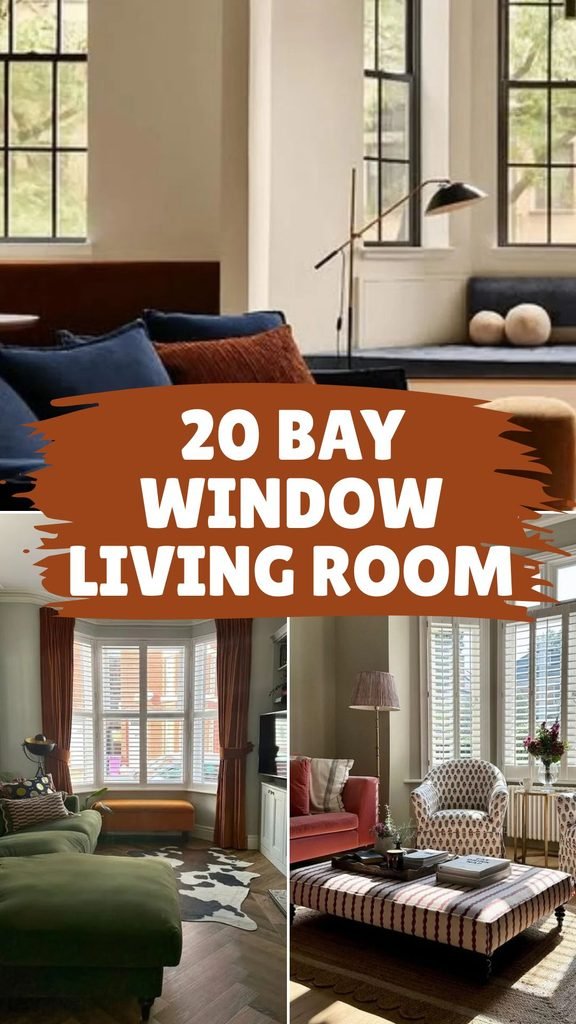
If your sofa, TV, or fireplace already controls the layout, use the bay as a smaller reading, storage, or plant zone instead.
For extra storage, add drawers under a window seat, but check for radiators, vents, and enough sitting depth before building anything.
The best setup is the one that makes the bay useful without blocking walkways, hiding the view, or forcing furniture into awkward angles.
Window Bench
Turn a deep bay into useful seating with a fitted bench, especially when freestanding chairs would crowd the main living area.
Keep the cushion low beneath the window frames so daylight stays open, then add a nearby lamp for comfortable evening reading.
This setup works best in deeper bays where the bench can sit inside the recess without interrupting the sofa or fireplace.

Twin Chairs
Use two compact chairs when the bay is wide enough for conversation seating but not deep enough for a permanent built-in bench.
Angle both seats slightly toward the sofa, which keeps the window corner connected to the room instead of creating a separate zone.
Shutters are useful here because each section controls privacy and glare without heavy curtains taking up valuable space around the chairs.

Slim Bench
A slim freestanding bench can fill a shallow bay without committing to built-ins, making it a smart option for smaller living rooms.
Choose a piece that stays below the sill, so the window remains bright and the bench does not compete with your main sofa.
This works especially well beside a sectional, where extra perch seating is useful but another full chair would tighten the walkway.
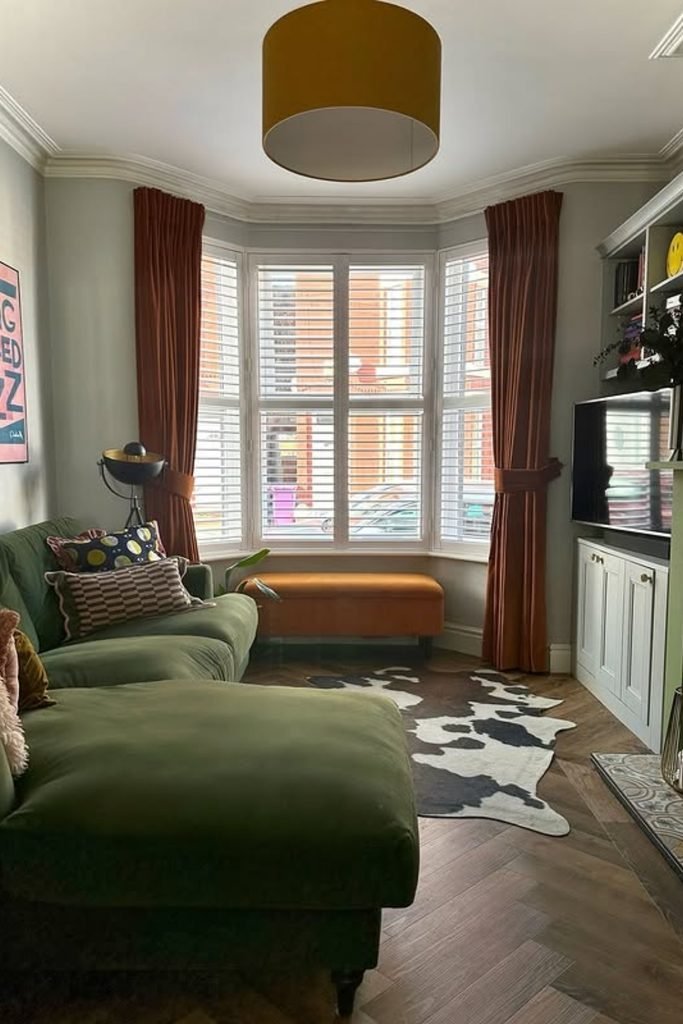
Bay Loveseat
Centering a small loveseat inside a generous bay lets the window become part of the main seating plan instead of an unused backdrop.
Leave visible floor around the loveseat and keep its back below the lower window line, which protects the room’s natural light.
In period rooms, simple upholstery works better than bulky furniture because it allows original wood trim and window details to stay noticeable.

Open Bay
Keep the bay mostly open when your fireplace already anchors the room, then use two compact chairs to soften the empty corner.
Choose low, rounded chairs so the window still feels bright, and pull them slightly forward instead of pressing furniture against the glass.
This layout suits larger bays where you want extra seating without turning the window area into a separate reading or conversation zone.

Clear Bay
Let a tall bay stay completely open when the room is narrow, because filling it can steal light and tighten the main walkway.
Place the sectional along one wall instead, giving the window enough breathing room while keeping the seating focused toward the fireplace.
A small table or plant can finish the bay later, but start with nothing and see whether the architecture already feels balanced.

Cafe Corner
Use a wide bay as a small conversation corner by placing two light chairs around a round table instead of adding another sofa.
Round furniture follows angled windows more easily, while slim chair frames keep sightlines open and stop the seating area from feeling heavy.
Layer Roman shades with sheer panels when you need privacy and glare control without hiding the height and shape of the bay.

Twin Seats
Give a medium bay a clear purpose with matching armchairs, especially when the main sofas already provide enough everyday lounging space.
Set the chairs just inside the window line and angle them inward, which creates conversation seating without blocking the center pane.
Patterned curtains can frame this arrangement beautifully, but keep them pulled wide so fabric does not crowd the chairs or reduce daylight.

Window Loveseat
Use a compact loveseat inside a wide bay when your main sofas already handle everyday seating and the window needs purpose.
Keeping the loveseat below the sill protects daylight, while matching cushions help it feel connected to the larger seating arrangement.
This layout suits TV-focused rooms because the bay adds extra seats without pulling attention away from the main media wall.

Corner Sectional
A sectional can use the bay efficiently when the room is narrow, giving you generous seating without adding several separate chairs.
Keep the back low beneath the windows and leave one side open, so daylight still reaches the center of the room.
Pair it with one large ottoman instead of multiple tables, which keeps the layout flexible and gives busy family rooms more usable floor space.

Curved Seating
Follow a rounded bay with curved seating when straight furniture leaves awkward gaps and makes the window area feel visually disconnected.
A fitted or curved sofa uses the full window line, while two rounded chairs opposite create a balanced conversation area.
Choose low backs and slim legs around the glass, so the bay stays open and the furniture does not overpower tall windows.

TV Corner
Place a small sofa beside the bay when the television occupies the adjoining wall, creating comfortable viewing without blocking the brightest windows.
Roman shades are useful here because they control screen glare pane by pane, while keeping bulky curtains away from the television unit.
Keep the sofa slightly forward from the glass and add one side table, so the bay stays practical without becoming overcrowded.

Plant Ledge
Use a wide bay sill for plants when the room already feels full, because greenery adds purpose without taking floor space.
Keep taller pots toward the side windows and shorter ones near the center, so daylight still reaches the sofa and television.
This approach suits compact media rooms where a bench or extra chair would narrow circulation and make the bay feel crowded.

Built-In Nook
Turn a deep bay into permanent seating when you need another place to sit but want the main floor kept open.
A fitted cushion and narrow back bolster give the bench comfort without rising high enough to cover the lower window panes.
Choose Roman shades above the seat for easy light control, and match the bench base to surrounding walls for a built-in look.

Reading Chair
A single generous armchair can be enough for a smaller bay, giving the window purpose without forcing in matching furniture.
Place a slim side table within reach and keep the chair slightly forward, so you can use the window ledge comfortably.
This works especially well for quiet reading corners where the main sofa handles guests and the bay becomes your personal seat.

Curtained Seating
Frame a broad bay with full curtains when you want softness, then place two chairs inside to create a balanced conversation area.
Keep the chairs separated by a small round table, which gives both seats a useful surface without filling the entire recess.
Use privacy glass, sheers, or lowered shades on the bottom panes if the bay faces a street but still needs daylight.

Shuttered Pair
Use two slim armchairs inside a bright bay when you want extra seating without making the window area feel heavy or crowded.
Keep a small table between them and let the shutters handle privacy, so curtains do not compete with the chairs for space.
Add one tall plant nearby to soften the hard window lines while keeping the center of the bay open for easy movement.

Layered Privacy
Layer Roman shades with sheer panels when your bay faces the street, because you can reduce visibility without shutting out useful daylight.
Keep the seating light with two narrow chairs and a tiny table, which preserves the window area instead of turning it bulky.
Place the table near the center pane so both chairs share it comfortably and the bay still reads as one balanced zone.

Compact Sofa
Choose a compact sofa for the bay when the fireplace and television already control the main walls and extra seating still matters.
Keep its back below the shutters so you can adjust light freely, and avoid oversized arms that would squeeze the angled sides.
An ottoman in the center can serve as a table or footrest, giving this traditional room flexibility without adding another bulky piece.

Open Corner
Leave the deepest part of the bay open when your sofa already reaches toward it, which keeps the room from feeling overfilled.
Pull the sectional slightly away from the window line and use the nearby corner for a small ottoman rather than another chair.
This arrangement suits narrow period rooms where the fireplace, built-ins, and bay all need breathing room without competing for attention.

FAQs
Can You Leave a Bay Window Empty?
You can leave a bay window empty when the room already has enough seating and the open space helps natural light spread.
An uncluttered bay also works well near busy walkways, radiators, or shallow windows where extra furniture would only make movement harder.
Add one plant, small lamp, or simple decor piece if the corner feels unfinished, but avoid filling every inch just because.
What Furniture Works Best in a Small Bay Window?
Compact chairs, slim benches, and low loveseats usually work better than bulky pieces because they keep the window bright and accessible.
Choose furniture that stays below the sill and leaves some floor visible, so the bay still feels open instead of packed.
For very shallow bays, skip seating altogether and use plants, a narrow console, or nothing at all to protect circulation space.