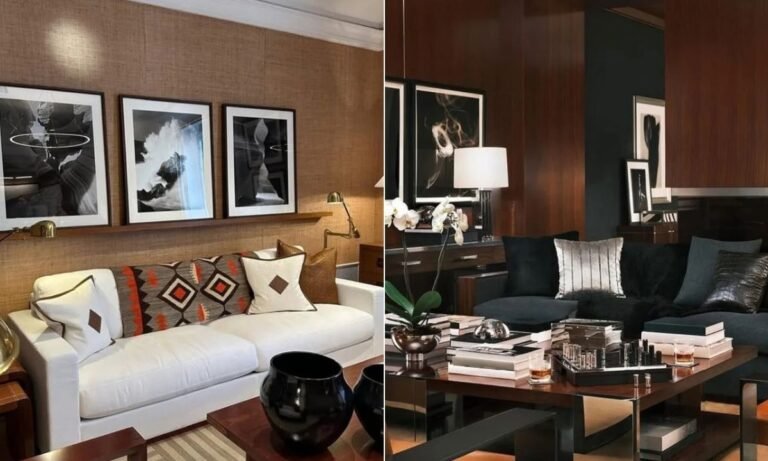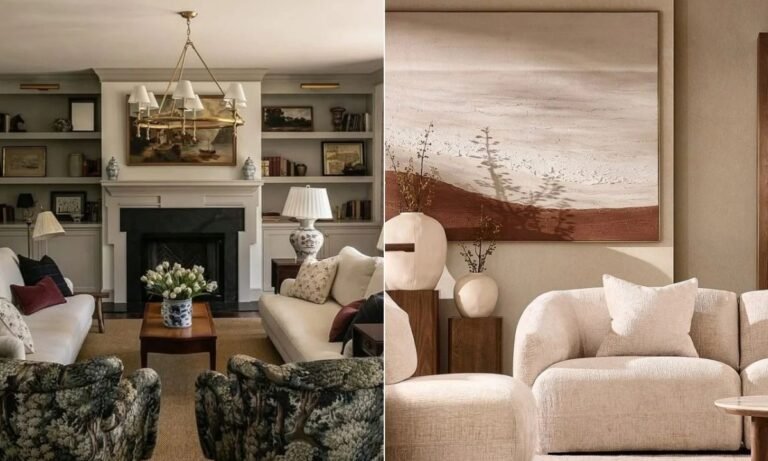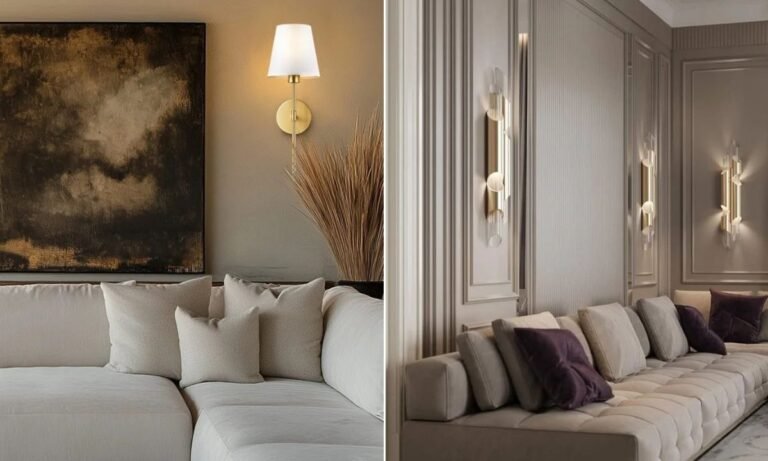
You can love the warmth of Mediterranean living rooms and still wonder how to bring that look home without making everything feel heavy or dated.
The good news is you don’t need stone walls, perfect arches, or a Spanish villa to make the style work in your space.
Start with sun-washed colors, natural wood, relaxed fabrics, and earthy textures, then choose a few Mediterranean details that suit the room you already have.
In this article, you’ll find Mediterranean living room ideas that show you how to create that warm, relaxed look.
Let’s jump in!
What Are Good Mediterranean Colors for a Living Room?
Start with warm white, cream, sand, or soft beige because these colors give your living room the sun-washed base Mediterranean spaces are known for.
If the room feels too neutral, bring in terracotta, rust, or clay through pillows, pottery, rugs, and other smaller pieces.
Olive and sage green work well when you want an earthy feel, especially beside warm wood, stone, linen, and creamy upholstery.

For a fresher coastal direction, use muted blue or deep Aegean blue in small doses instead of turning the whole room blue and white.
You can also add walnut brown or black iron to ground lighter colors and give furniture and architectural details more definition.
Keep two or three main colors dominant, then repeat your accent shades around the room so everything feels connected rather than overly themed.
Arched Living
Let repeating arches become the main feature when your living room connects with dining areas or other open spaces nearby.
Keep walls creamy white and pair them with exposed wood beams, allowing the architecture to create warmth without adding heavy decorative pieces.
A white sectional, woven planters, and simple wooden furniture keep this approach comfortable while letting those Mediterranean curves stay visually dominant.

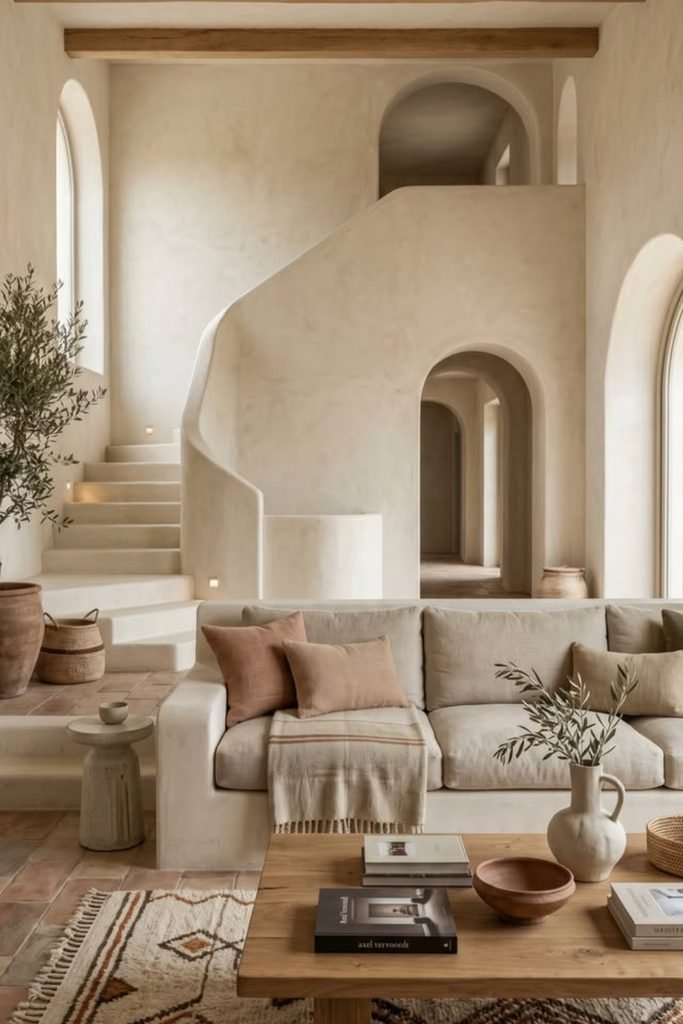
Plaster Curves
Soft plaster walls and rounded openings work beautifully when you want Mediterranean character without filling your living room with themed accessories.
Carry the same warm neutral finish across walls, stairs, and arches, then use terracotta flooring to bring gentle earthy contrast underneath.
Finish with a low neutral sofa, olive tree, and natural wood table so the room feels relaxed while its architecture does more.
Earthy Artwork
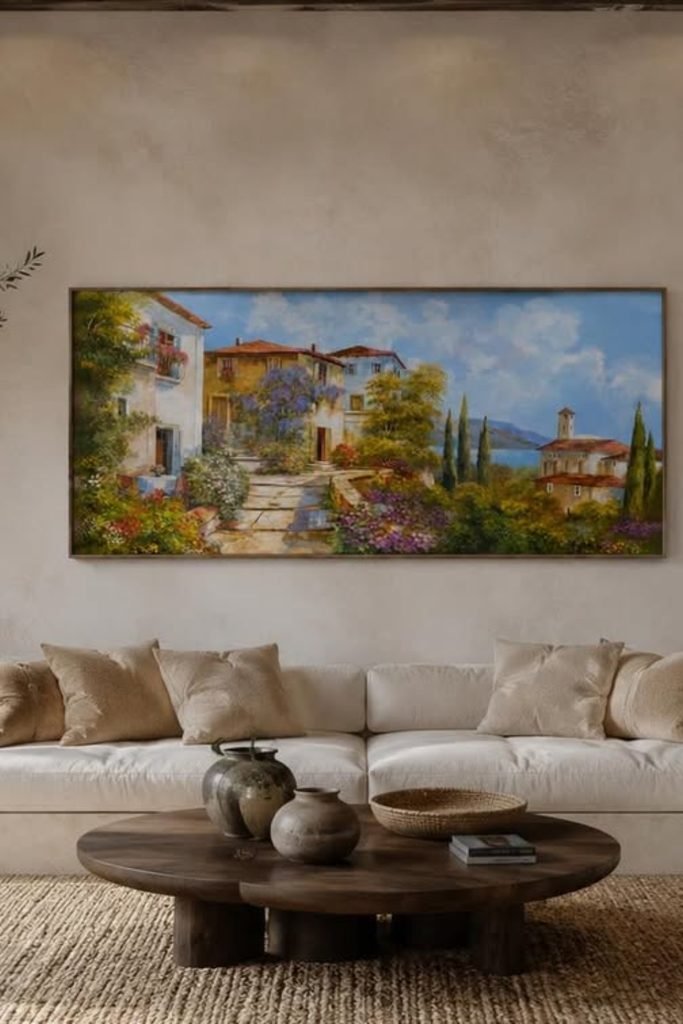
A large Mediterranean landscape can bring color into a neutral living room without forcing blue, terracotta, or olive across every surface.
Keep your sofa and plaster walls quiet, then pull subtle earthy shades from the artwork into pottery, wood, and nearby greenery.
This works especially well in spacious living rooms where one oversized piece can anchor a long sectional without needing several smaller decorations.
Rustic Ceiling
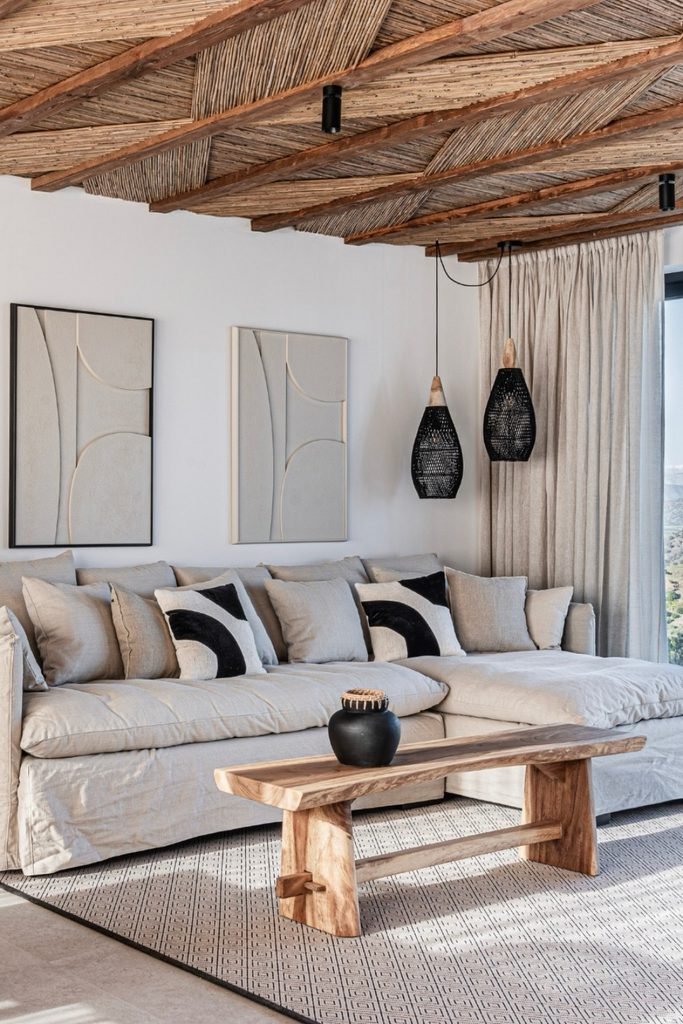
When your living room feels too clean or contemporary, a reed-and-timber ceiling can introduce the rustic texture Mediterranean spaces naturally carry.
Balance that strong ceiling with white walls and relaxed linen seating, then repeat the wood through a simple handcrafted coffee table below.
Black woven pendants and patterned cushions add sharper contrast, making this approach especially useful when you prefer Mediterranean style with modern edges.
Shadowed Arches
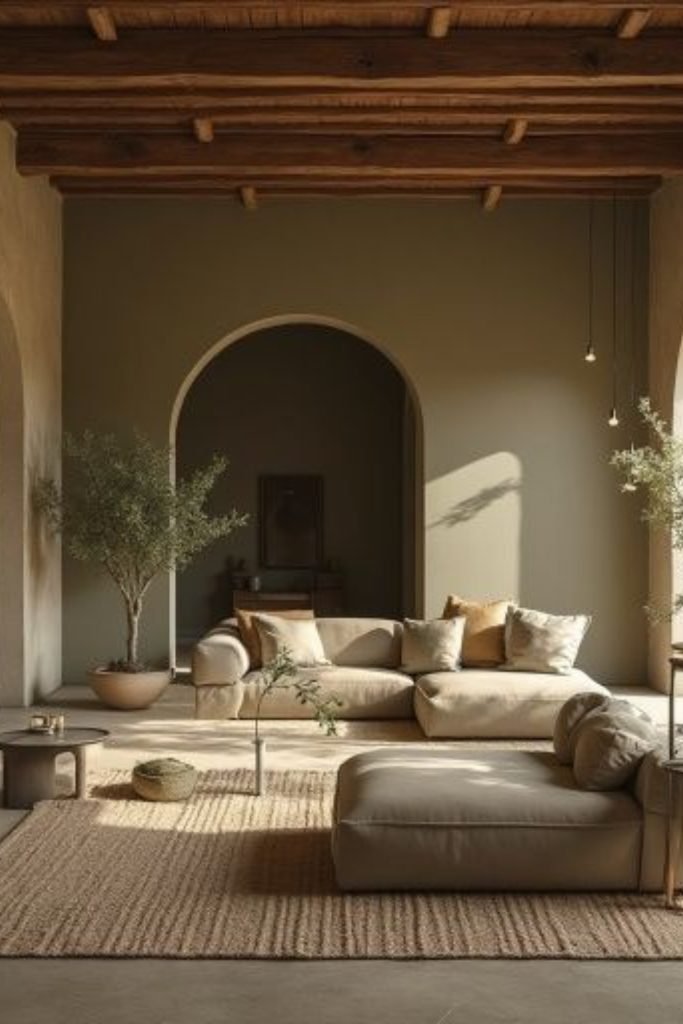
A deeper olive wall behind creamy arches gives a neutral Mediterranean living room more depth without taking away its calm, earthy character.
Let exposed ceiling beams and natural woven rugs warm the surrounding neutrals, while low seating keeps attention on the room’s architectural shapes.
This combination suits bright living rooms especially well, because strong daylight prevents the darker accent wall from making the space feel closed.
Terracotta Alcoves
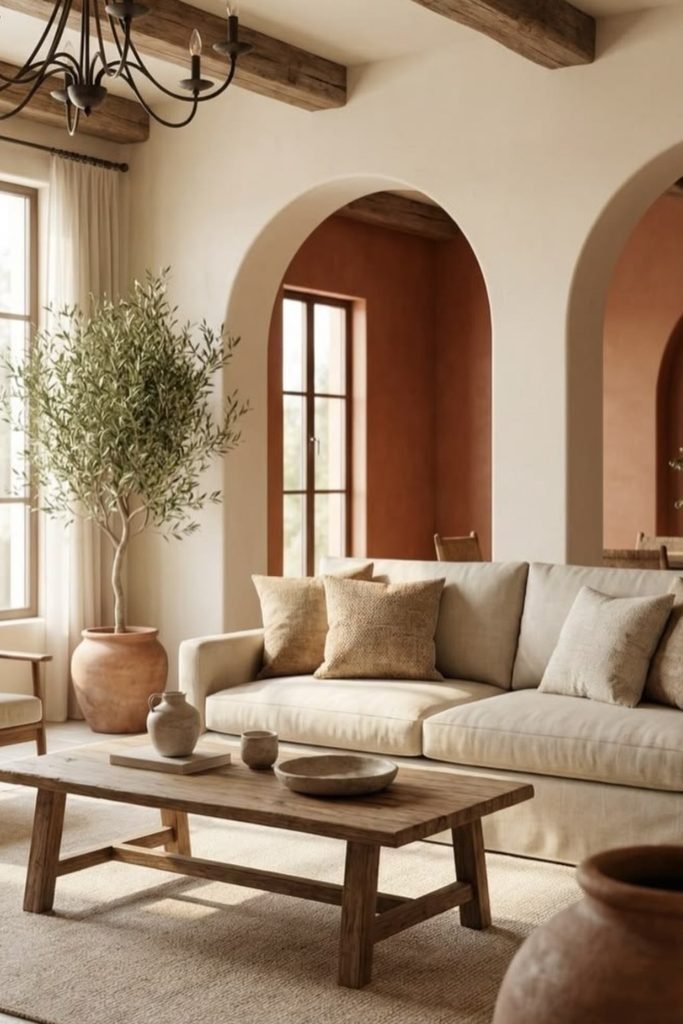
Instead of spreading terracotta everywhere, use it inside large arched openings where the color can create warmth without overwhelming your living room.
Keep the main walls creamy and furniture neutral, then bring natural wood and clay pottery nearby to connect those warmer sections naturally.
This approach works beautifully when adjoining rooms remain visible, turning each archway into a Mediterranean color moment while keeping everything visually connected.
Outdoor Connection
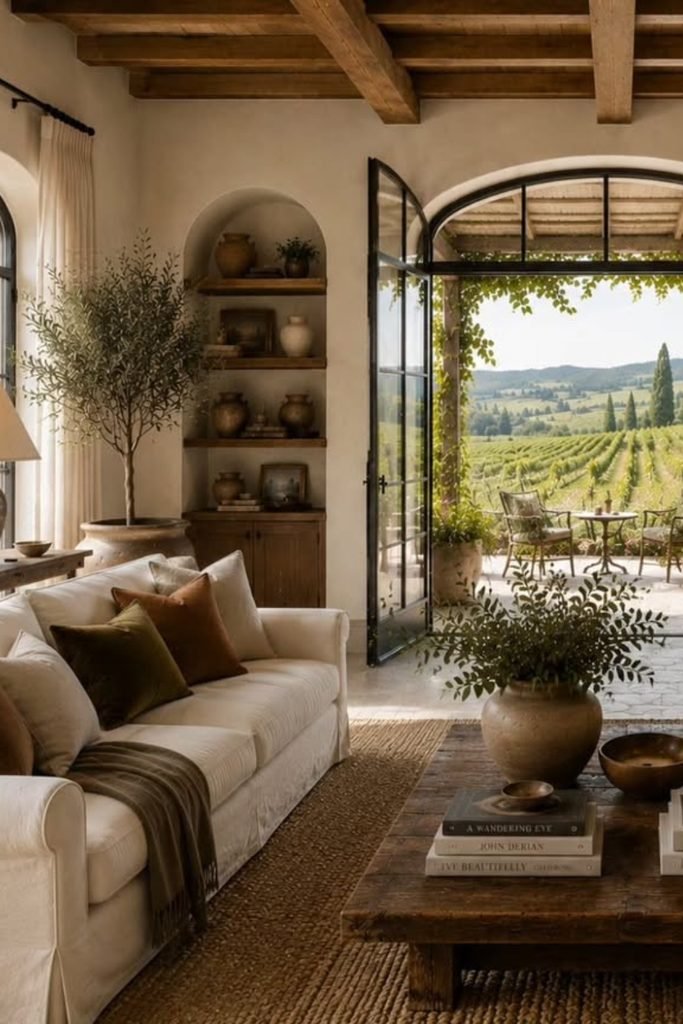
Make the outdoor view part of your living room by keeping large arched doors open and arranging seating toward the terrace or garden.
Warm wood, woven rugs, olive tones, and aged pottery help the indoor furniture connect naturally with greenery and earthy scenery outside.
This setup works best where patios or gardens sit beside the living area, creating that relaxed indoor-outdoor rhythm Mediterranean homes do well.
Blue Contrast
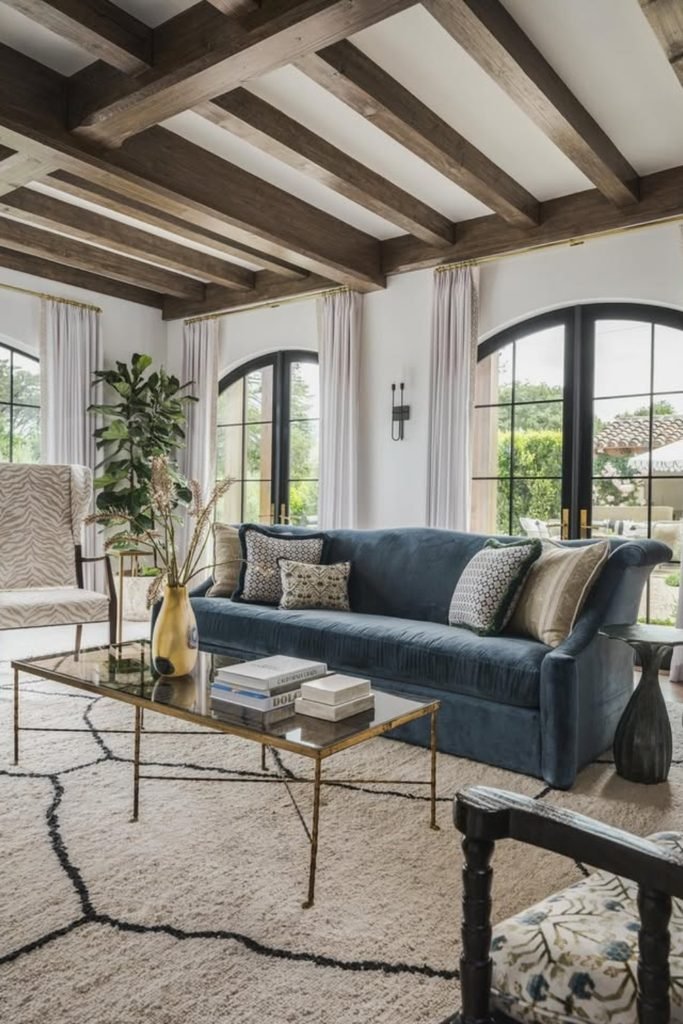
Mediterranean living rooms do not have to stay completely earthy; one deep blue sofa can give warm whites and dark beams stronger definition.
Surround the richer upholstery with pale curtains, a creamy rug, and light walls so the blue feels grounded rather than overly coastal.
Choose this direction when you want a more polished Mediterranean room, especially if black-framed arched windows already bring contemporary contrast into the space.
Terracotta Rug
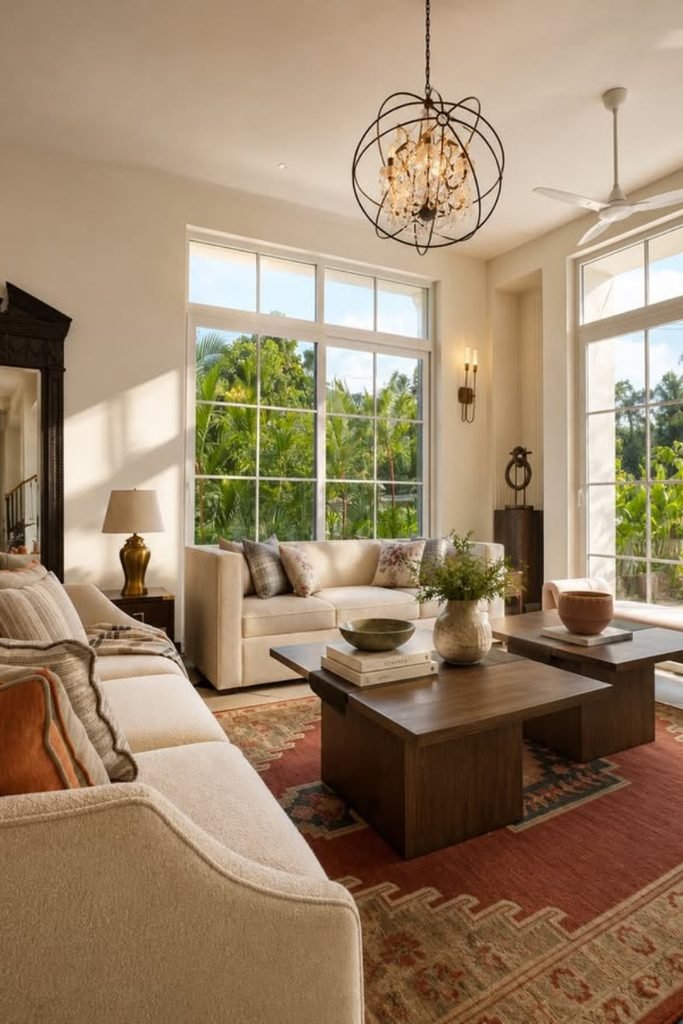
A faded terracotta rug is an easy way to warm a bright Mediterranean living room when cream furniture and pale walls feel plain.
Repeat those rusty tones through one or two pillows, then use dark wood tables to give the lighter seating more visual weight.
This works especially well in sunny rooms with large windows, where natural light keeps the deeper rug color from feeling too heavy.
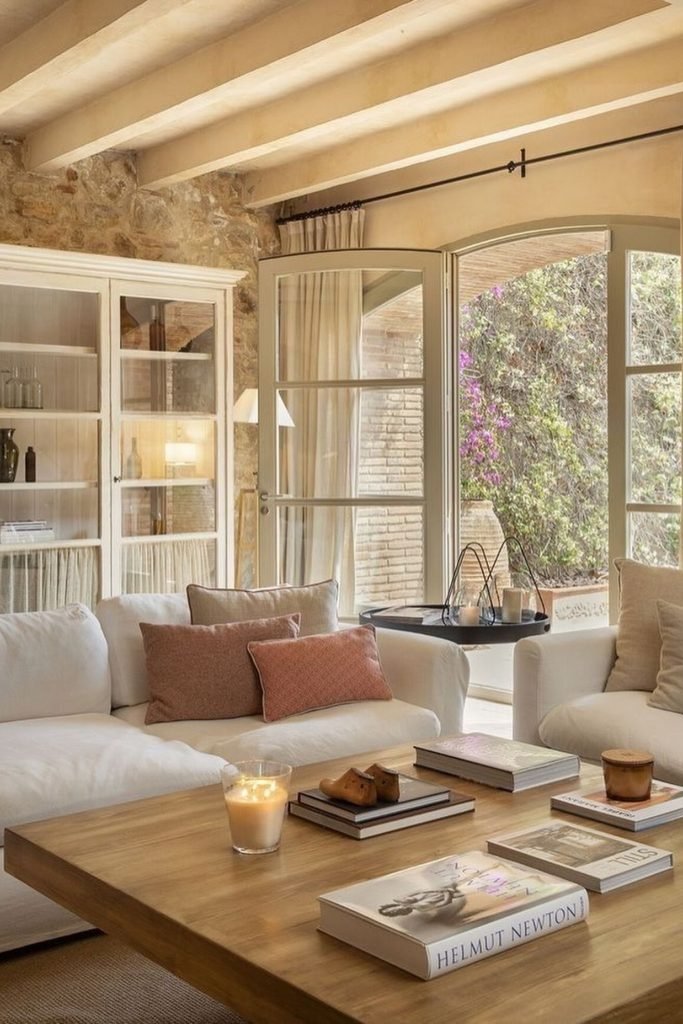
Stone Retreat
Rough stone walls can carry almost the entire Mediterranean look, so keep the furniture relaxed and simple instead of competing with that texture.
Pair low cream seating with chunky reclaimed wood, then add pottery and olive branches to soften the harder stone surfaces around the room.
Use this approach in rustic homes or rooms with original masonry, where preserving imperfections creates more character than covering everything with smooth finishes.

Sculpted Stone
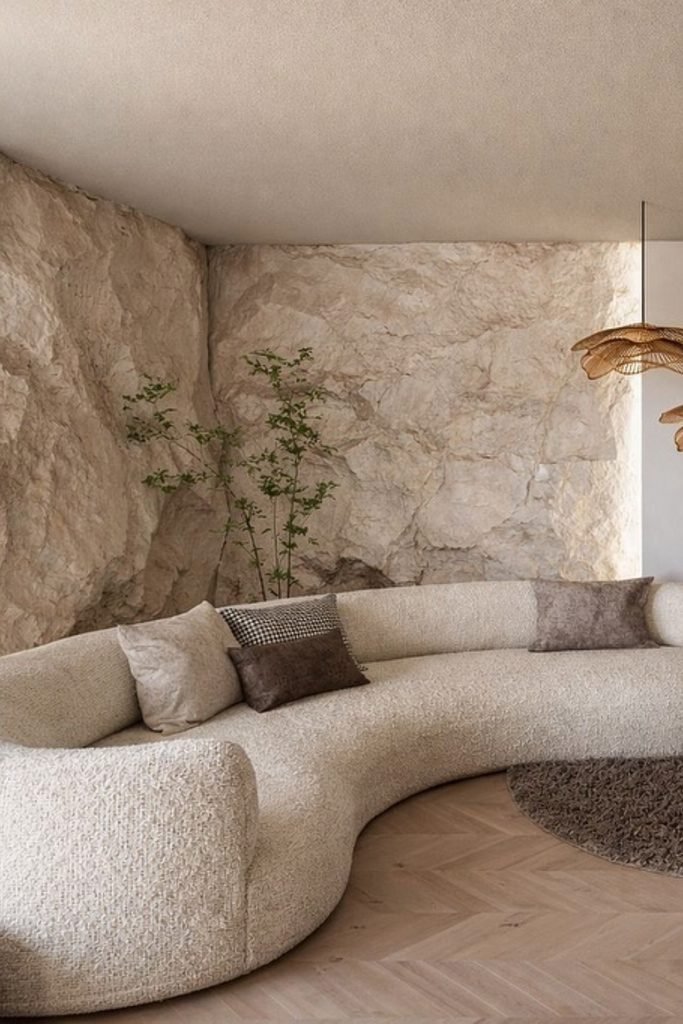
For a cleaner Mediterranean direction, combine rugged stone with curved furniture so the living room feels natural without leaning too heavily rustic.
A rounded cream sofa softens the rough wall immediately, while woven lighting, warm wood, and a small textured rug continue the earthy palette.
This balance suits modern homes especially well because you get Mediterranean materials and warmth while keeping furniture shapes simple, comfortable, and current.
Coastal Color
Terracotta and deep blue can make a coastal Mediterranean living room feel colorful without falling into the usual blue-and-white decorating formula.
Start with a cream sofa, then mix rusty solid pillows with patterned blue cushions while keeping the larger walls soft and neutral.
A rattan table, clay flooring, and oversized olive branches finish the look naturally, especially in bright rooms overlooking water or open scenery.

Layered Terracotta
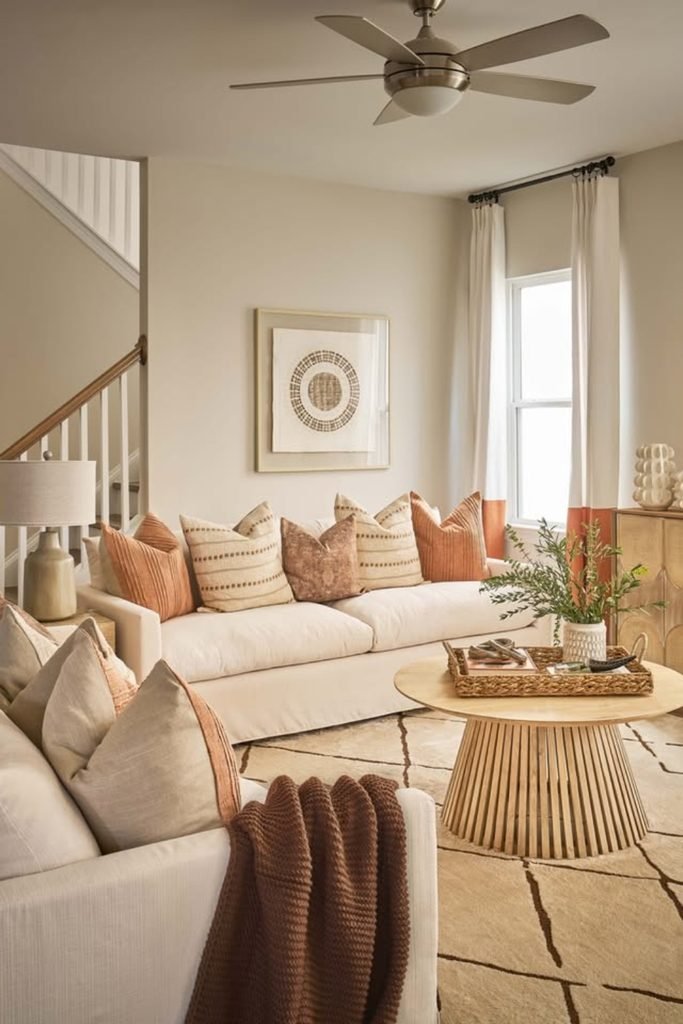
You can bring Mediterranean warmth into a standard living room by layering terracotta pillows, throws, and small accents over simple cream seating.
Keep the larger furniture neutral, then add woven textures and light wood so those rusty shades feel connected instead of randomly placed.
This is a practical choice for homes without arches or stone walls because the Mediterranean character comes mainly through color and texture.
Leather Warmth
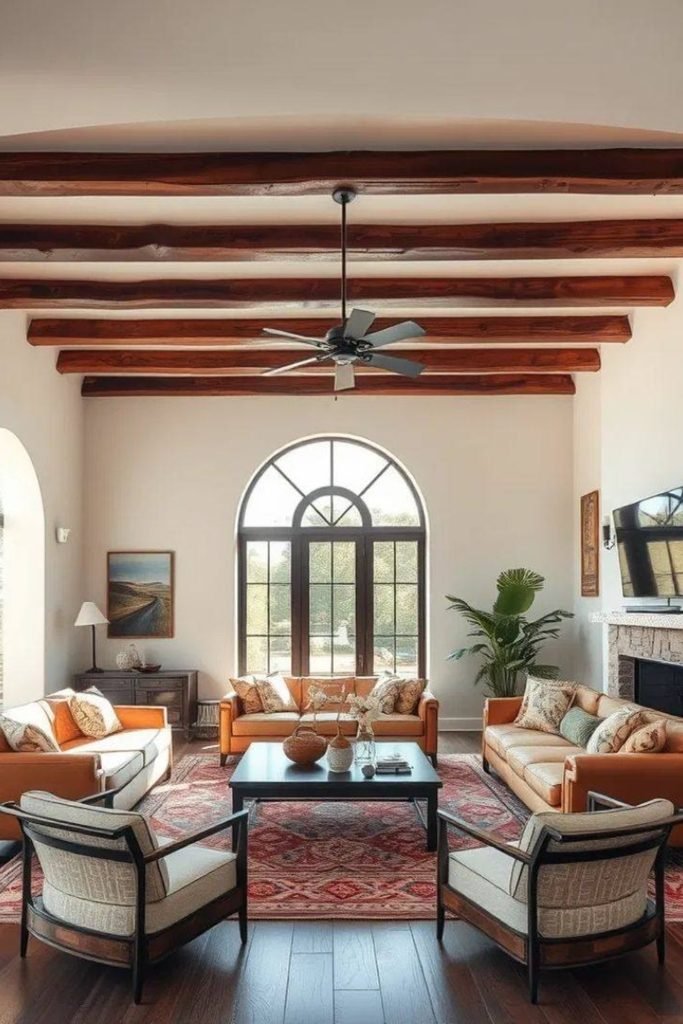
Camel leather seating can handle a larger Mediterranean living room beautifully, especially when dark wood floors and ceiling beams already create strong contrast.
Use a patterned red rug underneath to connect those warm brown tones, while cream accent chairs stop the arrangement from becoming too dark.
This setup works best in spacious rooms where several seating pieces can form a conversation area without blocking arched windows or walkways.
Moody Mediterranean
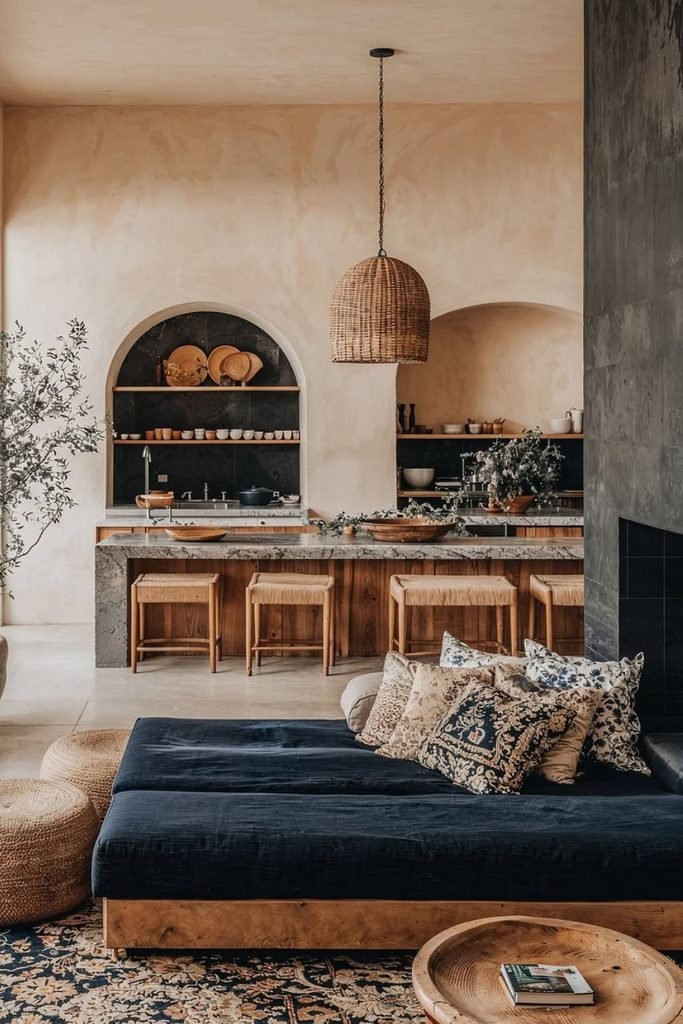
Dark upholstery gives Mediterranean style a moodier direction, especially when you balance it against warm plaster walls, natural wood, and woven pieces.
Let patterned cushions and a vintage-style rug introduce detail, then keep nearby stools, lighting, and pottery earthy rather than adding more dark finishes.
Try this in an open-plan living room when you need the seating area to feel distinct while still connecting naturally with surrounding spaces.
Aegean Accents
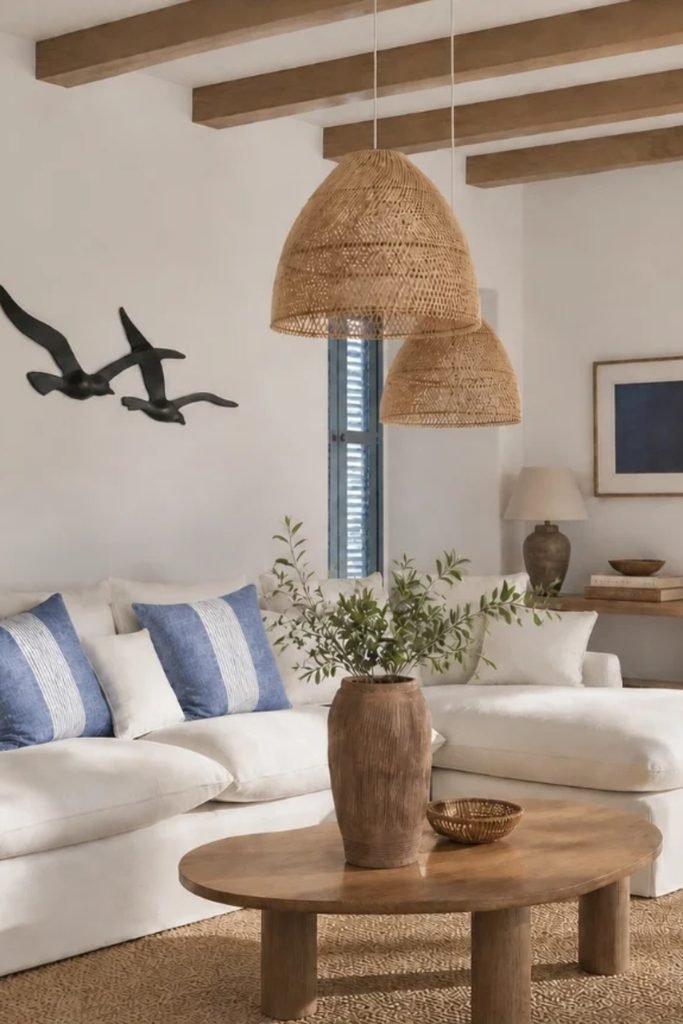
Two muted blue cushions are enough to bring a coastal Mediterranean note into a cream living room without making blue the entire theme.
Pair them with olive branches, clay pottery, woven pendants, and warm wood so the color sits naturally among softer earth-inspired materials.
This lighter approach works beautifully in sunny living rooms, especially when tiled floors, exposed beams, or arched openings already provide Mediterranean character.
Sunwashed Neutrals
A cream living room feels more Mediterranean when you warm it with dusty terracotta cushions instead of introducing several competing accent colors.
Bring light wood into the coffee table and cabinet, then repeat woven textures through trays and rugs to keep everything naturally connected.
This is an easy direction for everyday homes because you can build the look around existing neutral sofas without changing major architectural features.
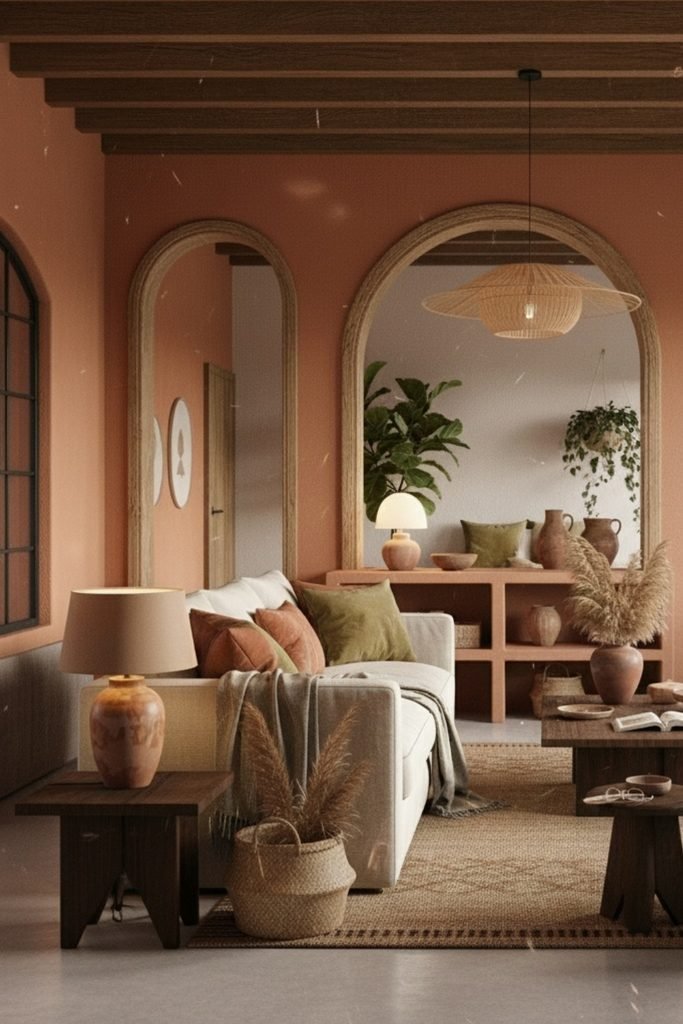
Clay Walls
Terracotta walls can become the main Mediterranean statement, especially when you want a warmer room that feels richer than standard beige interiors.
Break up the clay color with cream seating, olive cushions, natural wood, and woven pieces so the walls never overpower the furniture.
Arched openings make this palette even stronger, but you can recreate the same effect with rounded mirrors or softly curved furniture elsewhere.
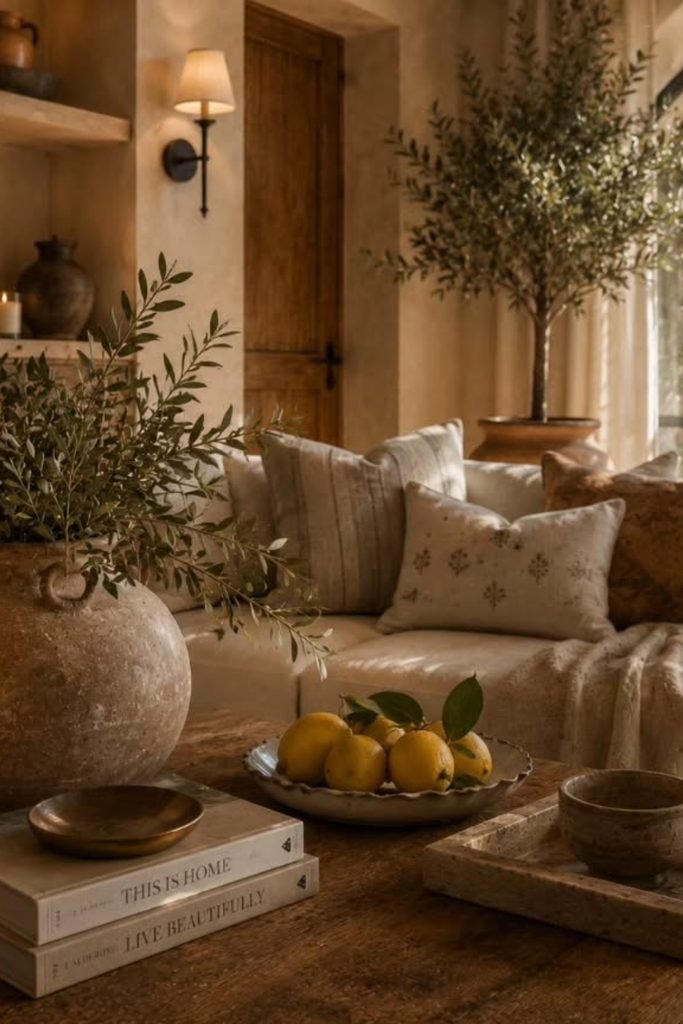
Olive Layers
When you want a quieter Mediterranean living room, build warmth through aged pottery, olive branches, linen upholstery, and softly worn wood surfaces.
Keep your colors close to nature rather than adding strong contrast, letting brown, cream, muted green, and clay blend gently together.
This layered approach suits relaxed living rooms where you want the space to feel collected over time rather than newly decorated at once.
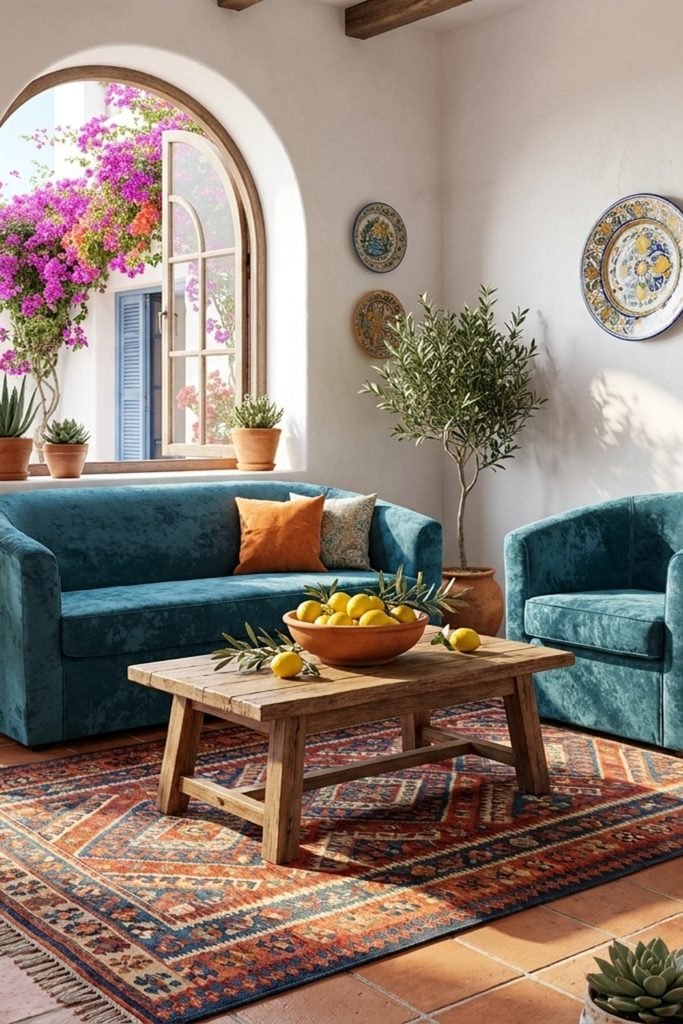
Cobalt Seating
Deep blue seating can become the bold Mediterranean feature when terracotta floors and warm wood already give your living room an earthy foundation.
Use patterned rugs and decorative plates to repeat blue in smaller doses, while orange accents keep the palette warm rather than coastal.
This colorful direction works best in bright rooms where white plaster walls and natural sunlight can balance several stronger Mediterranean colors together.
Sage Shutters
Muted sage shutters can introduce Mediterranean color without touching the walls, making them especially useful when you prefer a softer, rustic palette.
Keep the sofa creamy and bring weathered wood into the fireplace, beams, and tables so the green feels naturally rooted in earthy materials.
A patterned rug adds enough detail underfoot, while simple pottery and greenery keep this relaxed living room from becoming overly decorated.

Airy Blues
Pale blue cushions give a bright Mediterranean living room gentle color while letting white upholstery, natural wood, and sunlight remain the main story.
Choose washed or dusty blues instead of sharp navy, then repeat warm wood across tables and storage to prevent the room feeling coastal.
This approach suits modern homes with few Mediterranean features because exposed beams, arched doors, and simple natural textures can establish the style.

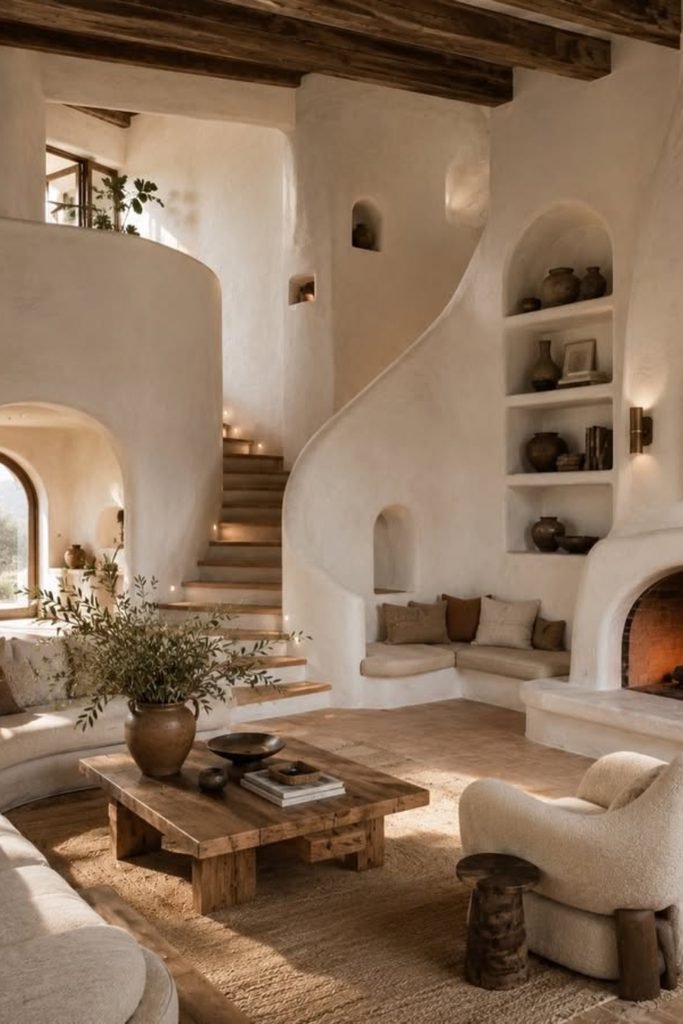
Fireside Curves
A rounded fireplace and built-in seating can turn one living room corner into a cozy Mediterranean gathering spot without needing much extra furniture.
Keep plaster surfaces warm and imperfect, then use chunky wood, woven rugs, and earthy cushions to stop all that cream feeling flat.
This works beautifully in larger rooms where curved seating can follow the architecture and leave clear pathways around stairs, fireplaces, and doorways.
Rustic Terracotta
Terracotta becomes richer when you repeat it through patterned cushions, a faded rug, and clay flooring instead of relying on one solid accent.
Balance those warm layers with white sofas and pale walls, then let aged wood and woven chairs add the rustic character around them.
Choose this fuller look for traditional Mediterranean rooms where arched openings, dark ceiling beams, and iron lighting can comfortably support stronger decorative details.

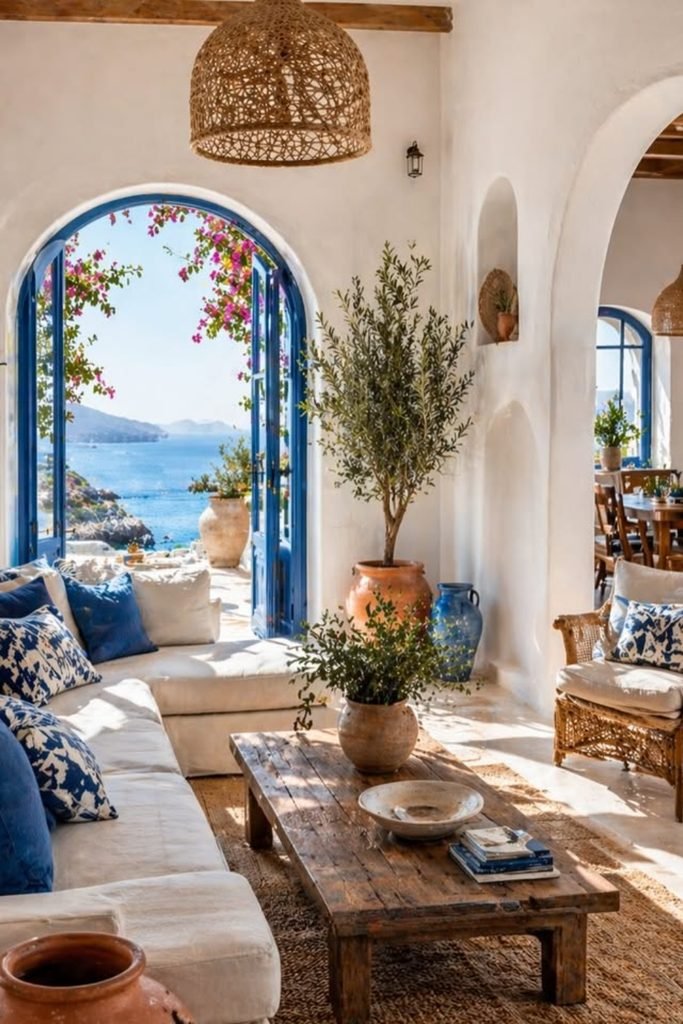
Aegean Blues
Bold blue accents work beautifully when you want a Greek Mediterranean living room that feels fresh while still keeping its earthy foundation.
Repeat blue through cushions, pottery, and painted doors, then balance it with terracotta vessels, weathered wood, and warm woven textures.
This approach shines in sunny rooms with arched openings, especially when outdoor views can naturally connect ocean blues with the surrounding landscape.
FAQs
How Can You Make a Mediterranean Living Room Feel Modern?
Keep traditional materials like plaster, wood, stone, and terracotta, but pair them with cleaner furniture shapes and fewer decorative accessories around the room.
Choose one or two Mediterranean features as focal points, such as an arched opening or textured wall, rather than adding everything together.
Neutral upholstery, simple lighting, and restrained pottery will keep the space current.
While natural materials still give it recognizable Mediterranean warmth and character.
Can Mediterranean Style Work in a Small Living Room?
A smaller living room can handle Mediterranean style well when you focus on warm colors and natural texture instead of filling every surface.
Use light walls, compact neutral seating, one wooden table, and a few pottery pieces to create character while protecting valuable walking space.
Bring in linen, woven details, or an olive tree for extra texture, but leave some areas open so the room still feels airy.