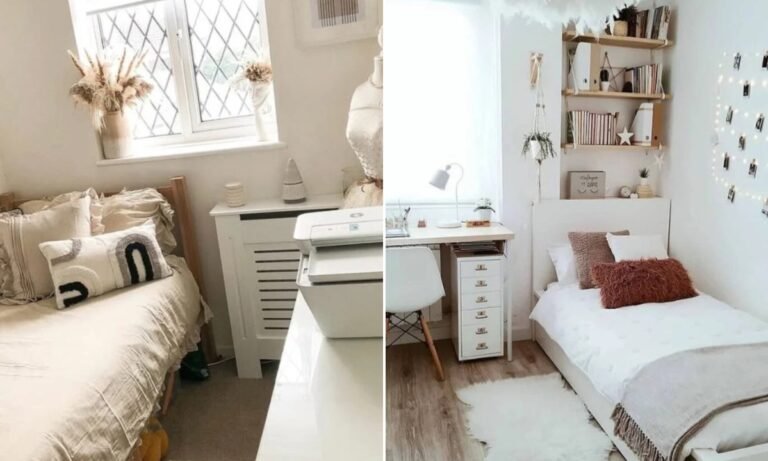


You walk into your bedroom and you feel something is off, you can tell it immediately.
You look at your bed and you feel it’s not sitting right, and you try placing it again and again but you still feel you are not getting it right.
When you have windows on more than one side, you start to feel confused, you might think you should put your bed under the window, or you could place it beside the window, or you may even move it away completely, but you still feel unsure.
If you keep shifting your bed from one wall to another, you will notice the same problem again, you feel one spot blocks your light, another spot might feel uncomfortable for you, and you would still feel nothing is really “right” for you.
When this happens, you should understand that you are not doing anything wrong, you are just dealing with a room that may not follow simple rules, and you are trying to make it work for you.
You are not just placing a bed, you are trying to balance light for you, privacy for you, comfort for you, and the look of the room for you, all at the same time, so it can feel tricky for you.
In this article, you will figure out where your bed should go in a room with windows, and you will stop overthinking it, and you will make a choice that finally feels right for you.
Let’s jump in!
Table of Contents
- Why Does It Feel So Hard To Place A Bed In A Room With Windows?
- Should You Place Your Bed Under A Window Or Avoid It?
- What Is The Best Wall to Put Your Bed Against When Windows Are On Every Side?
- How Do You Choose Bed Placement Based On Your Window Layout?
- What Mistakes Make Your Bedroom Look Off Even If The Bed Fits?
- How Do You Place A Bed In A Small Room With Multiple Windows?
- How Do You Balance Light, Privacy, & Good Sleep at the Same Time?
- What Is the Simplest Rule to Decide the Right Bed Position in Any Room?
- Conclusion
Why Does It Feel So Hard To Place A Bed In A Room With Windows?
It feels difficult for you to place a bed in a room with windows because windows can break the normal rules of layout for you.
In a simple room, you would usually pick a strong solid wall and you could place your bed there without thinking too much, and it would feel easy for you.
But when windows start taking over most of the walls, you might notice that your clear option disappears for you, and suddenly every wall can feel like a compromise for you.
If you place your bed near a window, you may start worrying about light for you, noise for you, and privacy for you, and it might keep bothering you.

If you avoid windows completely, you will see that your layout can start to look awkward for you or feel unbalanced for you, even if you try your best.
On top of that, you might notice that windows keep changing how your room feels for you throughout the day, so one wrong placement can make your space feel too bright for you, too dark for you, or just uneven for you.
That’s why you keep shifting your bed again and again, you are not really confused about furniture for you, you are actually confused because you don’t have a simple rule that you can follow for you.
Should You Place Your Bed Under A Window Or Avoid It?
Placing your bed under a window is not always wrong for you, but it really depends on your room and how you sleep.
In some rooms, especially small ones for you, it can become a practical solution when you don’t have better walls available for you.
You might even make it look good for you if you use a proper headboard and if you cover the window with curtains or blinds for you.
However, you should also think about the downsides for you.

If you place your bed there, you may get direct sunlight early in the morning for you, and outside noise can feel stronger for you, and sometimes airflow might create discomfort while you are sleeping.
Privacy can also become an issue for you if your window is facing outside, and that can bother you more than you expect.
So instead of following a strict rule for you, you should decide based on your comfort for you.
If you can control light for you, noise for you, and privacy for you, then it can work for you.
If you cannot manage these things for you, then it would be better for you to avoid it and choose a more stable wall for your bed.
What Is The Best Wall to Put Your Bed Against When Windows Are On Every Side?
The best wall for your bed is usually the most stable and least interrupted one for you.
Even in rooms full of windows, you will often notice that there is still one wall that gives you more structure than the others, and that should be your first choice for you.
A solid wall can help your bed feel grounded for you, and it can make your room look more organized for you.

It also gives your sleeping area a sense of comfort for you and control for you, which can make you feel more settled.
If you don’t have a fully solid wall for you, then you should choose the side where windows have the least impact on your sleep for you.
If sunlight hits your face directly for you, or if the window visually dominates the entire wall for you, then you should avoid that placement.
The goal is simple for you: your bed should feel like it truly belongs in your room for you, not like it is squeezed into a leftover space for you.
How Do You Choose Bed Placement Based On Your Window Layout?
Choosing your bed placement depends on how your windows are arranged for you, not just where empty space is available for you.
If you have only one window for you, you should try not to block it completely for you, and you should place your bed in a way that keeps light flow balanced for you.
If there are two windows on opposite walls for you, placing your bed on a side wall usually works better for you to avoid direct light conflict for you.
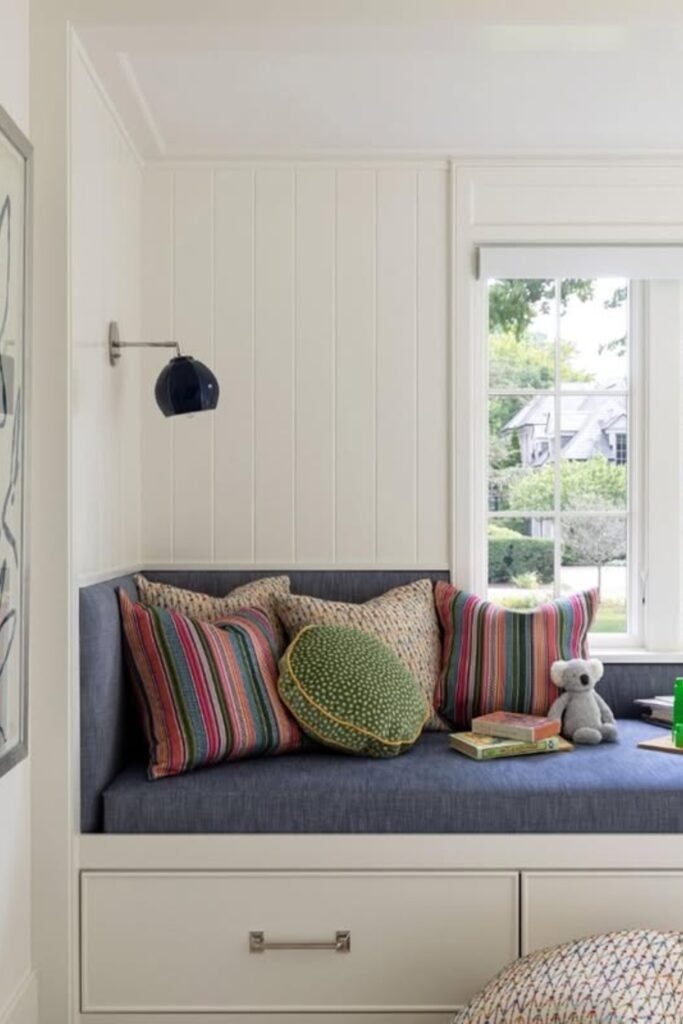
When windows are on adjacent walls for you, you should choose the wall that gives you more privacy and less disturbance from sunlight for you.
In small rooms for you, you may not get a perfect option for you, so you should prioritize comfort first for you, then lighting for you, and then appearance for you.
The key is simple for you: you should match your bed position with your layout for you instead of forcing a “perfect” design rule for you.
What Mistakes Make Your Bedroom Look Off Even If The Bed Fits?
One common mistake you make is placing your bed just because it fits for you, without thinking about how your room will look as a whole for you.
When you do that, you might notice your space starts to feel unbalanced for you, and it can feel awkward for you even if everything technically fits for you.
Another mistake you may make is blocking a major window completely for you, and that can make your room feel dark for you and closed for you, even if the room is actually spacious for you.

You might also ignore symmetry for you, so one side of your bed can feel crowded for you while the other side feels empty for you, and that can make your room look unfinished for you.
If you push your bed too tightly into corners for you without leaving proper movement space for you, you will start to feel that your room is harder to use for you in daily life.
Good placement is not just about fitting furniture for you, it is about making your room feel natural for you, balanced for you, and easy for you to live in.
How Do You Place A Bed In A Small Room With Multiple Windows?
In a small room with multiple windows for you, you need to focus on smart placement for you instead of perfect placement for you.
You should start by choosing the wall that gives you the least interruption from windows and doors for you, because that will already make things easier for you.
If you cannot find a clear wall for you, then placing your bed in a corner can help you create structure for you and save space for you at the same time.
You can also use curtains for you to reduce the visual impact of windows so they don’t compete with your bed for you, and that can make the room feel calmer for you.

A headboard can help you define your sleeping area for you, and it can make your bed feel more stable for you even in a tight space.
You should keep the rest of your furniture minimal for you so your room doesn’t feel crowded for you or overwhelming for you.
The goal is simple for you: you should create a clear and calm sleeping zone for you, even if your space is limited for you, so you can feel more comfortable for you every day.
How Do You Balance Light, Privacy, & Good Sleep at the Same Time?
Balancing light, privacy, and sleep for you starts with controlling your windows for you, not avoiding them for you.
You should use layered curtains for you so you can adjust brightness during the day for you and block light at night for you, and that will give you more control for you.
You should place your bed where it doesn’t get direct morning sunlight on your face for you, because that can disturb your sleep for you and make your rest less comfortable for you.

For privacy for you, you should avoid positioning your bed directly in line with open outside views for you, or you can use thicker curtains for you if you cannot avoid it for you.
For comfort for you, you should make sure air circulation is good for you but not directly hitting your body while you sleep for you, because that can affect your rest for you.
When you balance these three factors properly for you, you will notice that bed placement becomes much easier for you and feels more natural for you.
What Is the Simplest Rule to Decide the Right Bed Position in Any Room?
The simplest rule for you is this, you should always place your bed where it feels most stable for you first, and then you should adjust for light for you and privacy for you.
You should not start by chasing perfect symmetry for you or design trends for you. You should start with comfort for you and practicality for you.
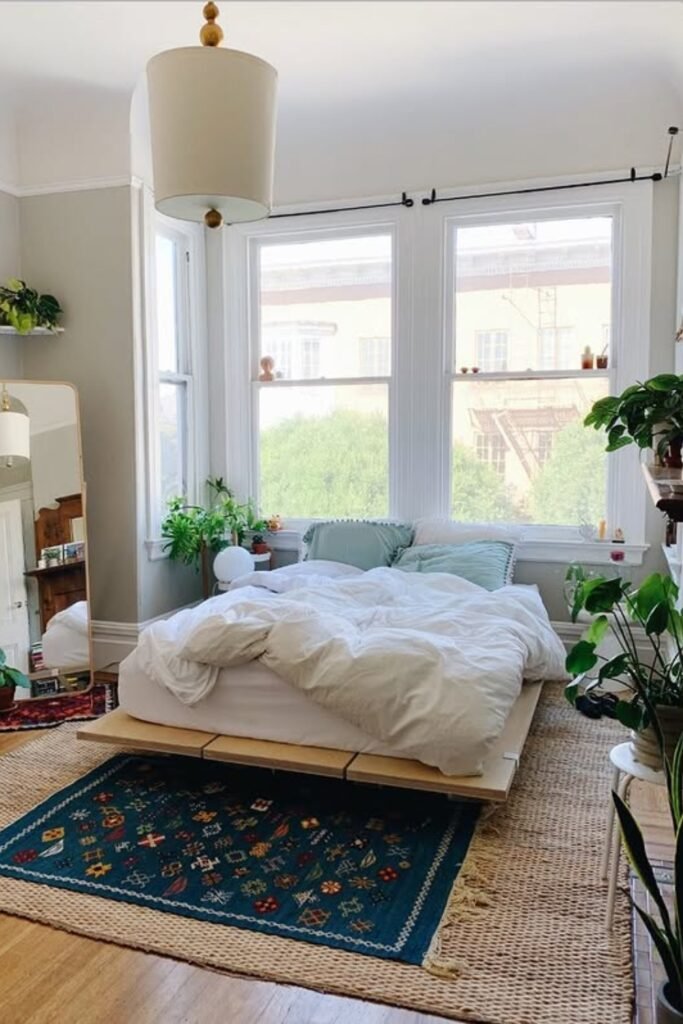
If your bed position helps you sleep well for you, doesn’t expose you to harsh light for you, and still keeps your room feeling balanced for you, then it is the right choice for you.
The best layout for you is not the most perfect-looking one for you, it is the one that works best for how you actually live in the room for you.
Conclusion
Placing your bed in a room with windows is not about following strict design rules for you, it is about finding a balance that actually works for your daily life for you.
Windows change how your room feels for you, so what looks good on paper for you may not always feel comfortable in real use for you.
That is why the right decision for you comes from understanding your space for you, not copying a fixed idea for you.
If you focus only on appearance for you, you may end up with a layout that feels awkward for you or uncomfortable for you.
But if you focus only on comfort for you, your room might start to look unbalanced for you.
The real solution for you is to bring both together for you, start with a stable wall for you, then adjust for light for you, privacy for you, and movement for you.
At the end of the day for you, your bed should feel natural in your room for you.
If you can sleep comfortably for you, control the light for you, and still move around easily for you, then you have placed it in the right spot for you, even if it doesn’t follow a “perfect” rule for you.
You may interested to read!