You walk into your living room and something just feels off.
The sofa is there, the TV is there, the coffee table is there but the room still doesn’t feel right. It either feels too empty, too cramped, or just awkward to sit in.
Most people think they have a “furniture problem,” but the real issue is simpler: they placed everything without a clear plan around the TV.
Because in most homes, the TV becomes the main point of the room whether you plan it or not. And when you don’t arrange everything around it properly, the whole space starts feeling unbalanced.
You end up with a sofa that’s too far, chairs that don’t make sense, or a layout where people can’t even sit comfortably and watch anything.
And the frustrating part? You might have already tried fixing it. You move things around, step back, feel like it still looks wrong, and eventually leave it “just like that.”
In this article, you’ll know exactly how to set up your space so it feels balanced, functional, and easy to use every day.
Let’s jump in!
Why Arranging Your Living Room Furniture Around a TV Feels so Confusing?
Most people feel confused when you try to arrange your living room because you don’t really know where you should start, and you keep asking yourself what you should place first.
You have a sofa, you have a TV, you might have a table or a couple of chairs, but you still feel like nothing is placed properly for you.
You look around and you feel the room is uneven for you, like something is missing for you or something is just not sitting right for you.
The main reason you feel this way is because you don’t choose a clear starting point for yourself, so you keep adjusting things without direction.
The TV often becomes the natural focus for you in the room, but when you don’t arrange everything properly around it, you can end up feeling like the whole space is awkward for you instead of balanced.
Another reason you feel this confusion is when you copy layouts that you see online and you try to apply them in your own space without thinking about your own room size or shape.
If you have a small or narrow living room, you might notice that what looks good in a big, open space will not work the same way for you, and you can feel that mismatch immediately.
Because of this, you keep moving things again and again, but you still might not get that balanced feeling you’re looking for, no matter how many times you try to fix it.
4 Ways to Arrange Living Room Furniture With TV
Following are the 4 Ways to arrange living room furniture with tv.
1. Pick the TV Spot
The first step you should take when you arrange your living room is deciding where you want the TV to go.
You should always treat this as your starting point because it can guide everything else you do in the room.
When you choose your TV position first, you can save yourself from a lot of confusion later, because if you place your furniture before this, you might end up moving everything again and again until it feels right for you.
If you don’t decide this early, you will notice that you keep adjusting things without a clear direction, and that can make you feel stuck in your own space.
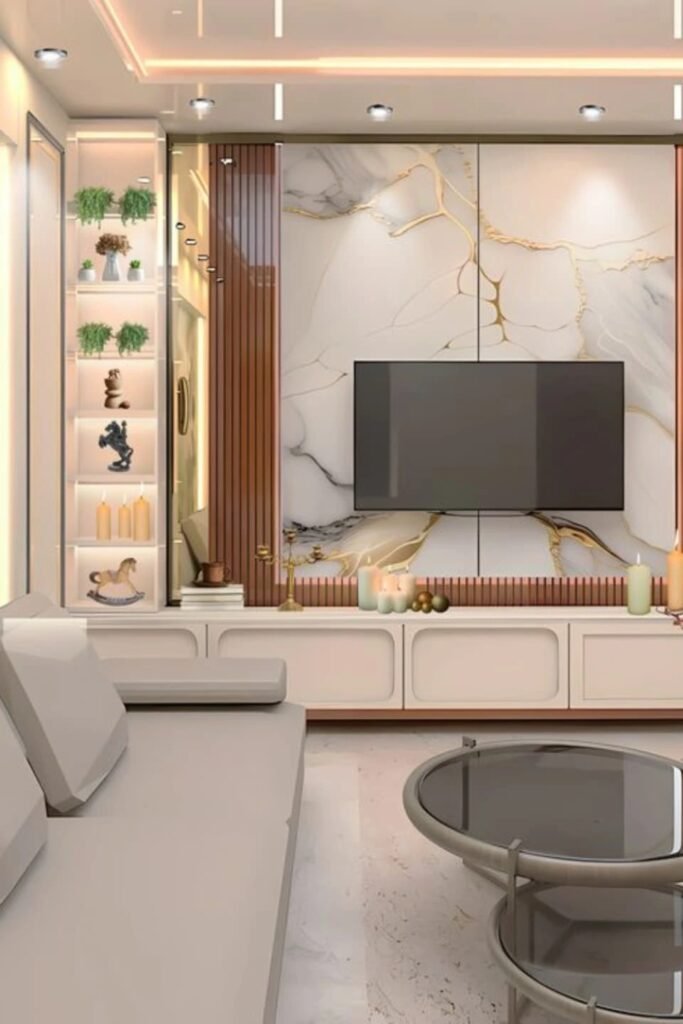
When you look at your walls, you should choose a spot where you can easily watch the TV from your main seating area, and you should make sure you are comfortable with the view you’re creating for yourself.
If the TV feels forced into a tight corner or blocks your movement, you will feel that discomfort every time you enter the room, so you should avoid that.
Once you fix your TV position properly for yourself, you will notice that everything else becomes easier for you.
You can place your sofa, chairs, and table in a way that naturally aligns with it, so the whole room starts feeling more balanced for you.
2. Choose the Right Wall or Corner
Choosing the right wall for your TV is not really about decoration for you, it’s more about your comfort and your everyday practicality.
You should always pick a wall where you can watch your TV easily without you having to turn your head too much.
You should also make sure you are not sitting in a way where strong sunlight from windows is directly hitting your screen, because if that happens, you will feel uncomfortable every time you try to watch something.
When you place your TV in a spot where light is constantly disturbing your view, you will notice that you stop enjoying your space the way you should.
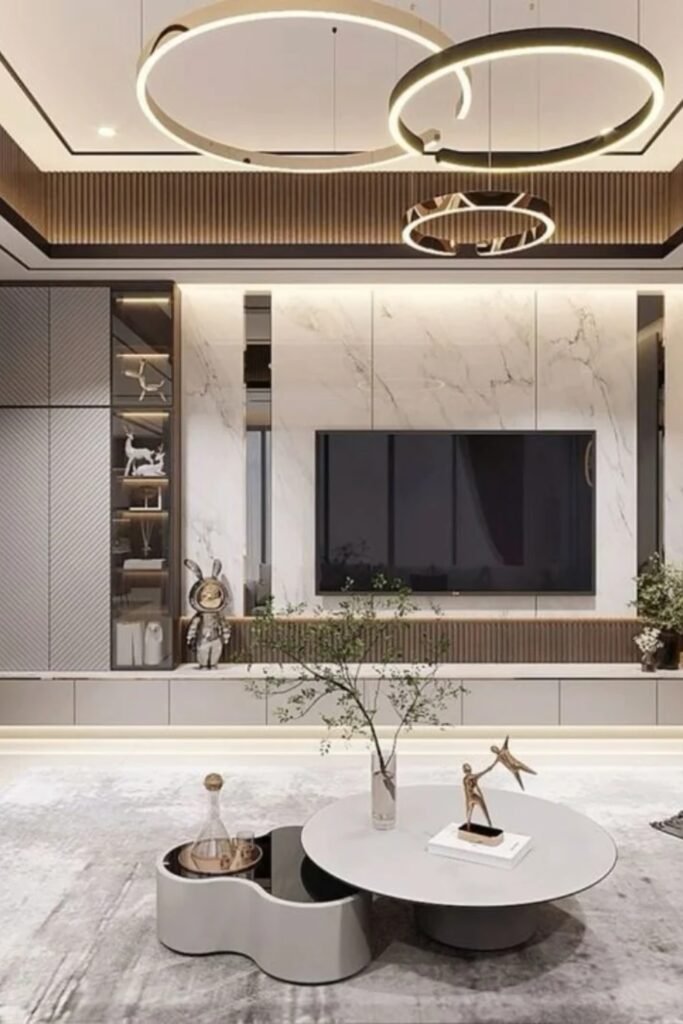
You should also check that your TV is not blocking your doors or walkways, because if it does, you will feel that your movement in the room is restricted.
In most cases, you will find that a simple flat wall works best for you because it gives you a clean and easy setup.
If you choose a wall-mounted TV, you can save more space and you will also keep your room looking neat and open for yourself.
The main goal you should keep in mind is that your TV should feel naturally placed for you in the room, not forced into a random corner where it doesn’t really belong.
3. Your Sofa Should Place So Watching TV Feels Comfortable
Once you fix the TV position for yourself, you should then place your sofa in a way that it is directly aligned with it.
Because when you do that, you create a natural viewing direction for yourself and your whole room starts feeling more organized and clear.
If you place your sofa at an angle or push it too far to one side, you will notice that your layout starts feeling uncomfortable for you and disconnected, and you won’t enjoy sitting there as much as you should.
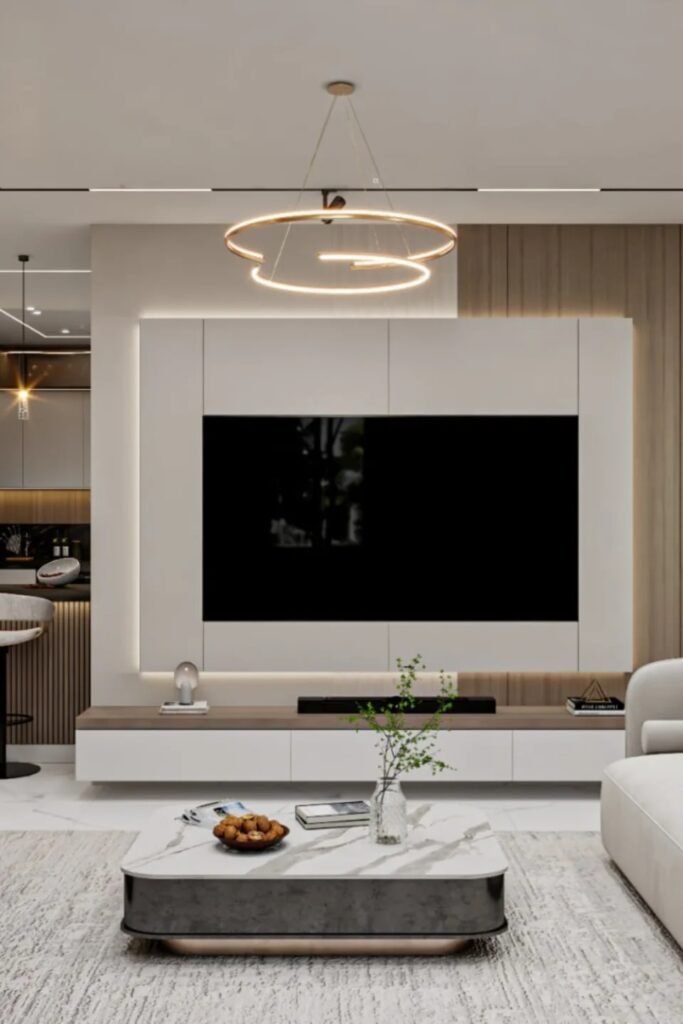
Distance also matters a lot for you in this setup. If you place your sofa too close to the TV, you will feel overwhelmed while watching, and it won’t feel relaxing for you at all.
But if you place it too far, you will feel like you are disconnected from the screen and the experience will feel weak for you.
The best position for you is where you can sit comfortably and watch without any strain, so you can actually enjoy your time.
If you have a larger room, you can also pull your sofa slightly away from the wall so you can create a more balanced look for yourself instead of pushing everything tightly against the edges.
4. How Far Your Sofa Should Be From the TV
You don’t really need complicated measurements for this, because for you it’s more about comfort than numbers.
The distance between your sofa and TV should simply feel right to your eyes, and you should trust how your own body responds when you sit there.
If the screen feels too big or too small from where you are sitting, you should just adjust the distance slightly for yourself until it feels natural and easy to watch.
If you have a smaller TV, you can place it a bit closer to you, and if you have a larger TV, you should keep a little more distance so it doesn’t feel overwhelming for your view.
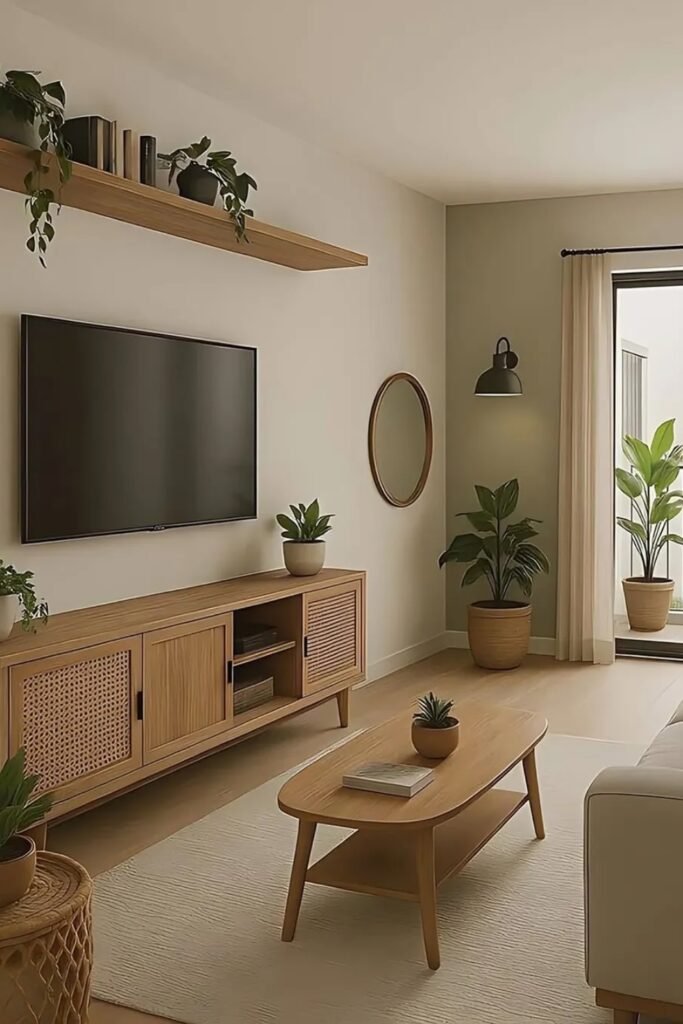
The important thing for you is that you should never feel eye strain or neck discomfort while you are watching, because that is a clear sign something is not placed right for you.
Also, you should make sure the TV is at your eye level when you are sitting, so you don’t have to keep looking up or down too much.
Because when you fix this for yourself, you will immediately notice how much more comfortable and natural your viewing experience becomes.
Where to Place Chairs, Tables, and Storage Without Making the Room Crowded?
Extra furniture should always support your main seating area for you, not take over the space or make it feel crowded for you.
You should place chairs in a way that they either naturally face your TV or connect smoothly with your sofa, because if you place them randomly in corners, you will notice your room starts feeling disconnected and messy for you.
If you add a coffee table, you should keep it close enough for you so you can easily reach it, but not so close that it blocks your movement or makes the space tight for you.
Storage units like shelves or cabinets should stay along walls that are not already busy with your seating or TV, so you don’t overload one area.
The main idea you should follow is to keep the center of the room open for yourself so your space feels breathable, balanced, and easy for you to move around in.
How to Keep Your Room Balanced so the TV Doesn’t Take Over Everything?
In many living rooms, you will notice that your TV becomes the strongest visual element for you, and everything else starts feeling secondary around it, even when you don’t want it to.
To avoid this for yourself, you need to balance the space visually so your eyes don’t only focus on one thing all the time.
You can do this for your room by adding simple elements around your TV area like wall decor, lighting, or even a few plants, because when you place these thoughtfully, you can soften that heavy “screen-only” feeling.
The goal for you is not to hide your TV or remove its importance, but to make it feel like a natural part of your room instead of something that dominates everything you see.
When you balance the surrounding space properly for yourself, you will notice your room starts feeling more natural and more comfortable for you instead of looking like a setup that is only built around a screen.
What To Do If Your Room is Small, Narrow, or has Doors and Windows in the Way?
Not every living room will have a perfect shape for you, so you need to adjust your layout based on the space you actually have for yourself.
If you are working with a small room, you should keep your furniture simple for yourself and avoid overcrowding, because if you add too much, you will quickly feel the space becoming tight and uncomfortable for you.
In narrow rooms, you can place your furniture along one side so you can maintain a clear walking space for yourself and move around easily without feeling blocked.
If doors or windows start affecting your layout, you may need to slightly angle your seating for yourself or even choose a different wall for your TV so everything works better for your movement.
The key idea you should always keep in mind is flexibility for yourself.
Instead of forcing a perfect layout that doesn’t fit your room, you should adjust things based on what your space actually allows for you, while still making sure you keep comfort and easy movement as your priority.
Common Mistakes People Make When Arranging a Living Room with a TV
One of the biggest mistakes you make when you arrange your living room is when you place your furniture before you even decide where your TV will go.
Because when you do that, you end up confusing yourself and you keep adjusting things again and again until nothing feels right for you.
You might think you are making progress, but in reality you are just moving things without a clear direction for yourself.
Another common mistake you make is when you push all your furniture against the walls, and when you do that, you end up making the middle of your room feel empty and disconnected for you, instead of creating a balanced space.
You also make things harder for yourself when you ignore walking space, because then your room starts feeling tight and uncomfortable for you, even if everything looks fine at first.
If you copy layouts from online images without checking whether they actually fit your own space, you will notice that they rarely work for you the same way, and that can leave your room feeling “off” no matter how many times you try to fix it.
These mistakes might look small for you at first, but in reality, they are the main reason your room never feels completely right or comfortable for you.
How Can You Arrange any Living Room Step by Step Without Guessing?
The simplest way you can arrange your living room is when you follow a clear order for yourself instead of guessing as you go.
First, you should choose your TV position for yourself because it sets the direction of your entire room, and if you get this wrong, you will keep adjusting everything again and again.
Then you should place your sofa facing it so your main seating is properly aligned for you, and you can actually feel that your space is starting to make sense.
After that, you should adjust the distance in a way that feels comfortable for your watching, because if you ignore this step, you might feel either too close or too far without realising why you are uncomfortable.
Next, you can add chairs and tables in a way that supports your seating for you instead of blocking your movement or making the space feel tight.
Finally, you should balance the room with small decor elements like lighting or wall art so your space doesn’t feel empty or too focused on just one thing.
If anything still feels off for you, you should adjust spacing instead of adding more furniture, because when you do that, you remove guessing and your room naturally starts feeling well arranged and comfortable for you.
Conclusion
Arranging your living room furniture around a TV is not really about following complicated design rules for you, it is more about making simple decisions in the right order so your space actually works for you.
When you start with the TV as your main point, you give yourself a clear direction, and when you place your sofa with comfort in mind and keep enough space for movement, you will notice that everything starts to fall into place for you naturally.
Most people struggle because they try to place everything at once or they copy layouts that don’t really match their own room, and then they wonder why it never feels right for them.
But your home is different, and you might have a small room, a narrow one, or a space with doors and windows that change everything for you.
That’s why what you really need is not perfection, but clarity for your own space.
If you follow a clear step-by-step approach for yourself, your room will stop feeling confusing for you. It will start feeling more balanced, more comfortable, and easier for you to live in every single day.
And once you reach that point, you won’t feel the need to keep rearranging things again and again, because your space will simply work for you the way it should.
You may interested to read!