
You look at your living room and everything seems fine… sofa is in place, wall looks good, TV setup is done. But still, there’s that one empty corner that keeps catching your eye.
It doesn’t look broken or messy. It just feels unfinished. And the more you look at it, the more it stands out. So you try to fix it.
Maybe you think about adding a plant. Or a small chair. Or a shelf. But then you stop because nothing feels right.
You don’t want it to look random. You don’t want to waste space. And you definitely don’t want to make the room look more cluttered than it already is.
So the corner stays empty.
This is the real problem most people face. It’s not that you don’t have ideas , it’s that you don’t know what that corner is actually supposed to do in your living room.
Should it be useful? Decorative? Cozy? Or just something that fills space? And when that purpose is unclear, every idea feels like a guess.
In this article, you’ll learn how to decide what your corner actually needs, how to choose the right setup for your space, and how to fill it in a way that looks natural.
Let’s jump in!
Table of Contents
Why Empty Corner is Making Your Living Room Feel Unfinished?
That empty corner feels small, but it changes how your whole living room looks.
Even if your sofa, TV wall, and decor are perfectly arranged, your eyes still notice that unused space. It creates a feeling that something is missing.
This happens because our brain naturally looks for balance in a room. When one area is empty, it creates visual tension.
The room starts feeling incomplete, even if nothing is actually wrong.
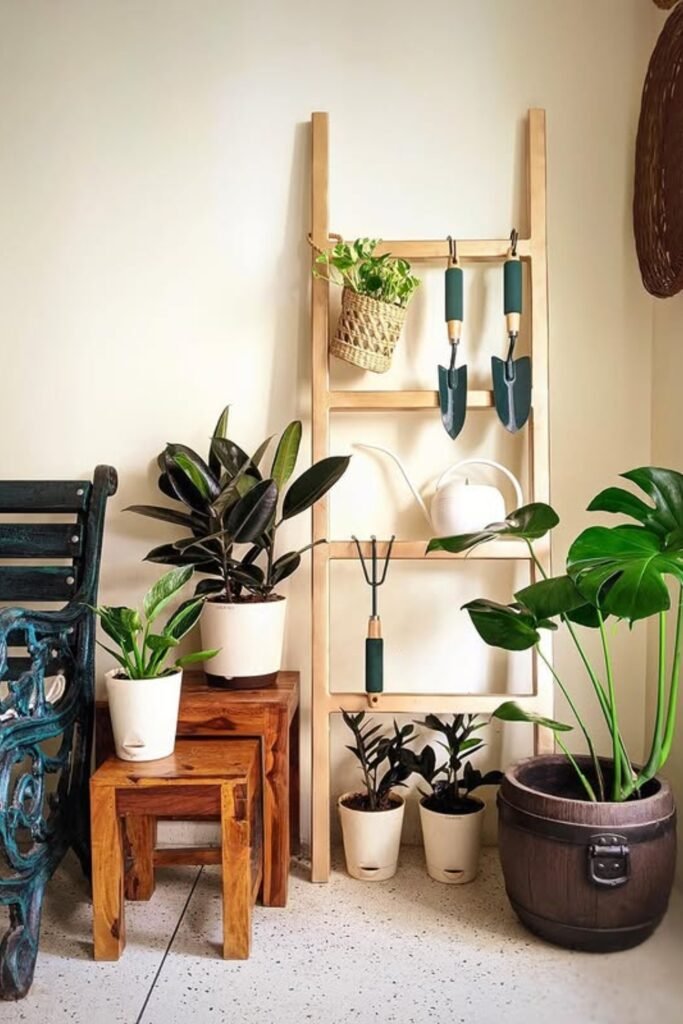
The tricky part is that you may not notice it immediately. But every time you enter the room or sit down, that corner quietly pulls attention. It doesn’t look bad , it just feels unfinished.
That’s why ignoring it doesn’t help. The more clean and simple your room is, the more that empty corner stands out.
It becomes a silent distraction in the background.
So the real issue is not the corner itself. It’s the imbalance it creates in the overall layout of your living rooms.
1. Decorate With the Purpose
Most people start with ideas instead of purpose. They see suggestions like plants, chairs, shelves, or lamps and try to use them directly. But nothing feels right because there is no clear direction.
When you decorate without purpose, every item feels random. You keep changing things, but the corner never feels “done.” That’s where frustration starts.
The real issue is simple: you don’t know what the corner is supposed to do. Should it be useful? Decorative? Relaxing? Or just fill empty space?
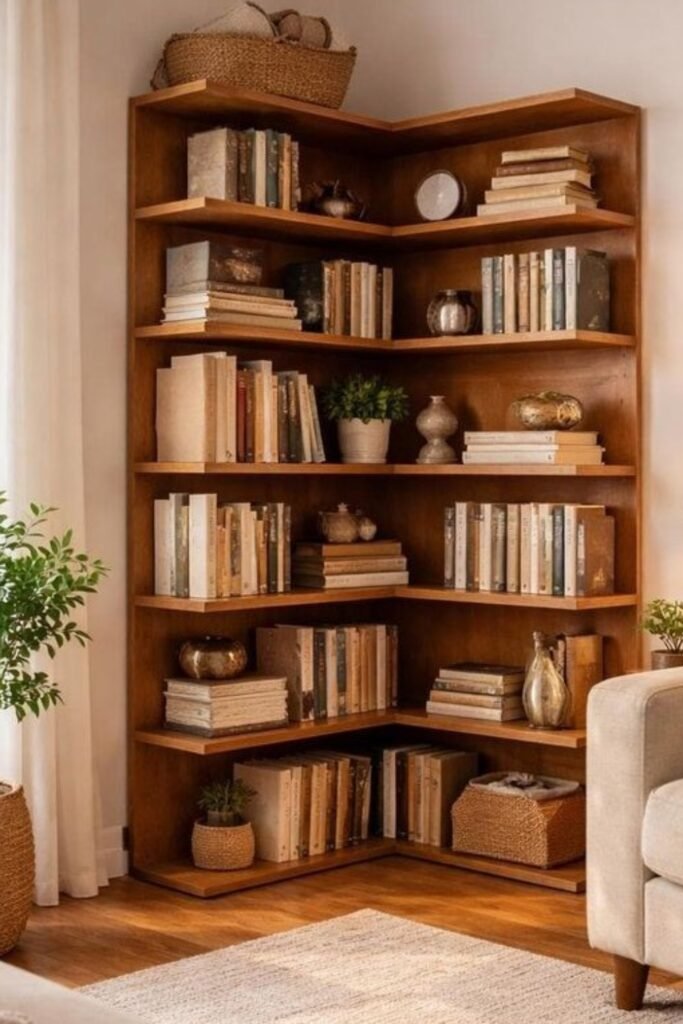
Without answering this, every idea becomes a guess. And guessing almost always leads to clutter or dissatisfaction.
That’s why Pinterest ideas often fail in real homes. They look good, but they are built on a clear purpose that you are not following.
Once you understand this, everything becomes easier. You stop randomly trying things and start choosing based on need, not visuals.
2. Decide What You Want From the Corner
Before you add anything, decide what role your corner should play. This is the most important step, and most people skip it.
You only have a few real options. Your corner can be functional, like storage or a small table area. It can be relaxing, like a reading or seating corner.
It can be decorative, just to improve the look of the room. Or it can simply help balance the empty space visually.
The key is to pick one main purpose. Don’t try to combine everything. A corner that tries to do too much usually ends up looking messy.
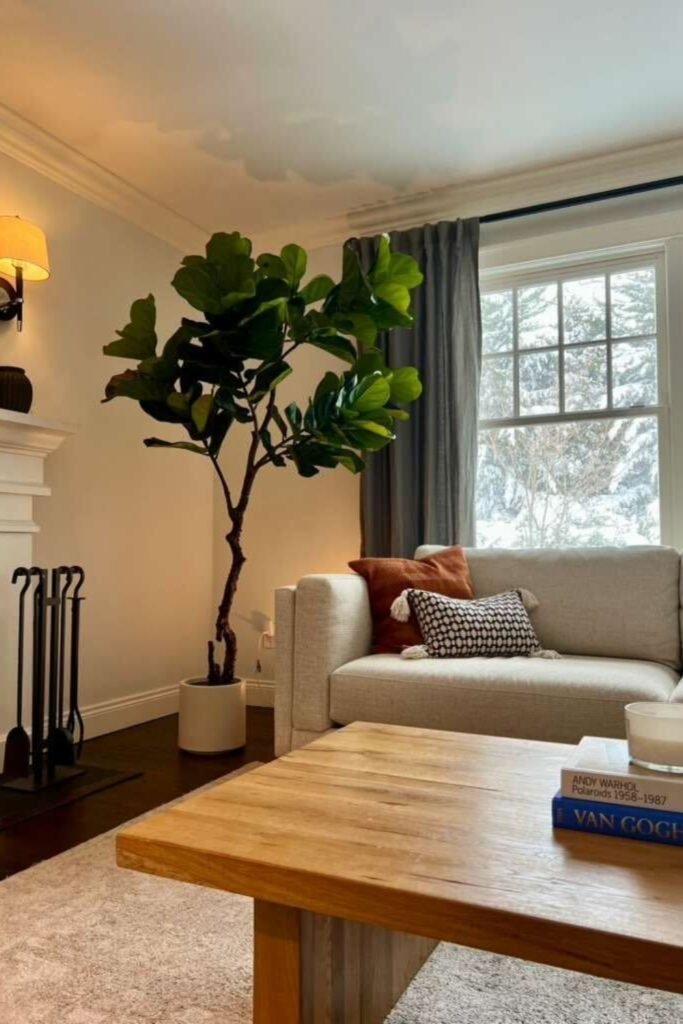
Think about your daily life. Do you need extra seating? Do you need storage? Or do you just feel the room looks empty?
When you answer this honestly, you remove confusion. Now you’re not guessing anymore , you’re choosing with clarity.
This one decision makes every next step easier and prevents you from wasting time and money on the wrong setup.
3. How to Pick the Right Idea
After deciding the purpose, you need to match it with your room size. Because not every idea fits every space.
In small living rooms, less is always better. You need light and simple elements. Tall plants, slim lamps, or small shelves work well because they don’t take up much floor space.
In medium rooms, you have more flexibility. You can combine two elements, like a chair with a lamp or a plant with a side table. Just avoid overfilling.
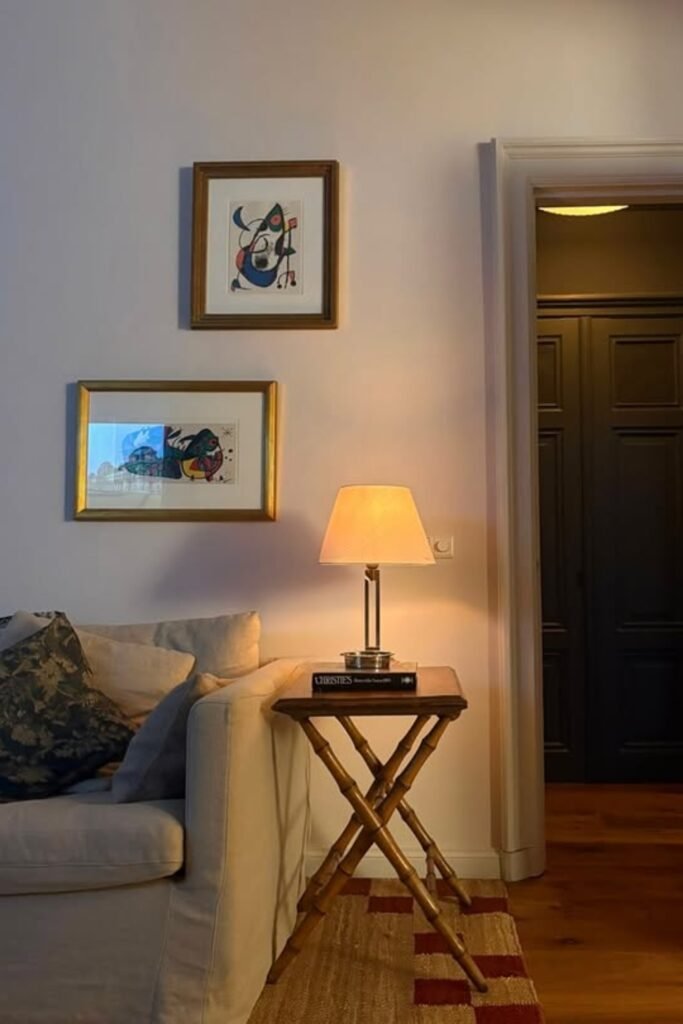
In large rooms, you can create full setups like reading corners or styled display areas. But even here, balance matters. Too many items still make the space feel heavy.
Also check the layout. If the corner is visible from the main seating area, it should stay visually clean. If it’s hidden or quiet, you can make it more functional.
When you match ideas to space, everything starts to look natural instead of forced.
4. Simple Ways to Fill a Small Corner
Small corners need careful handling because space is limited. The goal is not to fill them completely but to balance them visually.
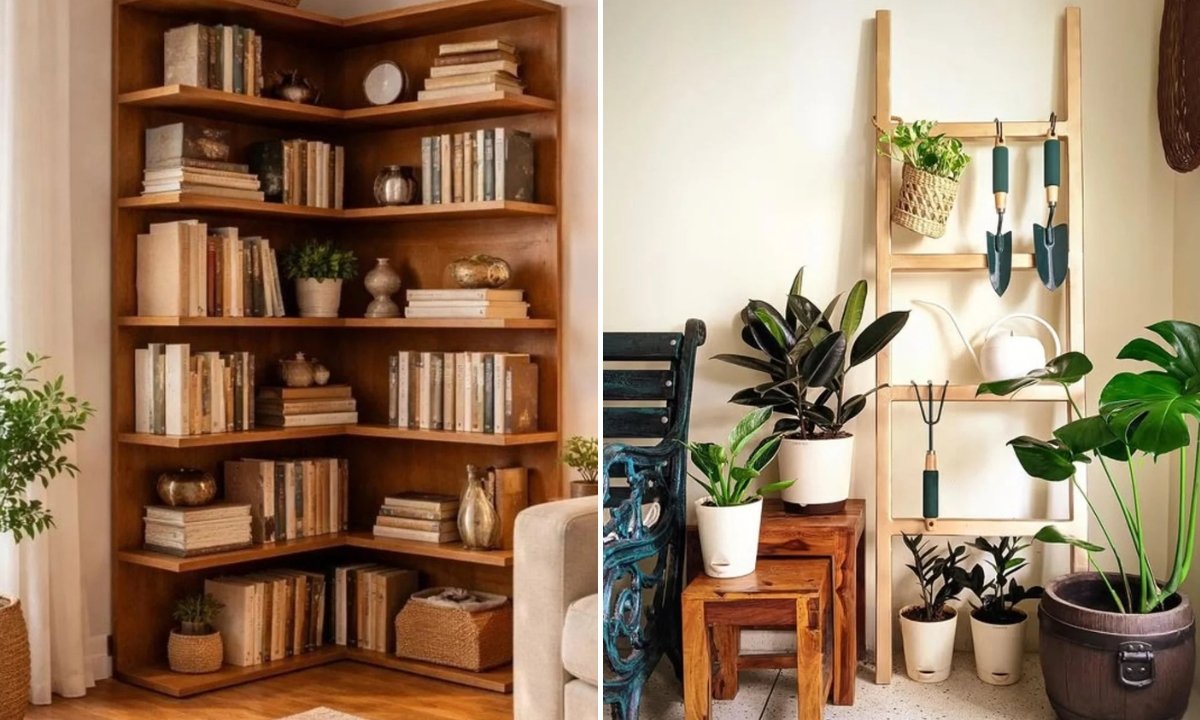
A tall indoor plant is one of the easiest options. It adds height and freshness without taking up much space.
A slim floor lamp is another good choice because it improves lighting and fills the corner gently.
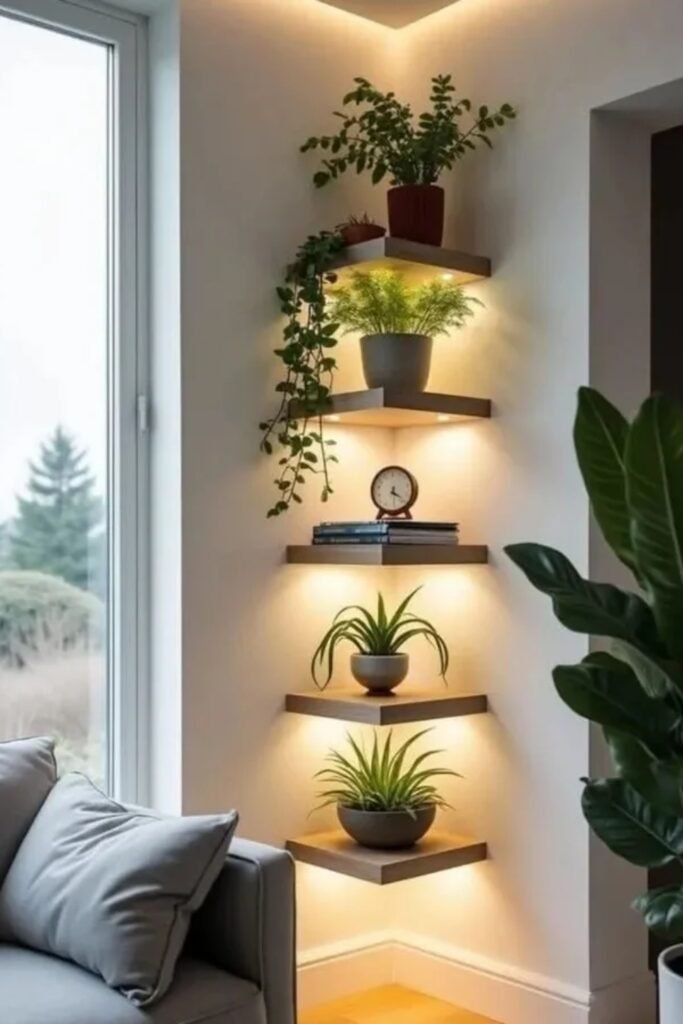
You can also use a small floating shelf. It keeps the floor free while still giving you a place for light decor items.
A simple stool or small side table can work too, but only if the rest of the room is minimal. Otherwise, it may feel crowded.
The most important rule is simple: don’t try to fully occupy the space. Just enough to make it feel intentional is enough.
5. How to Useful Space
Instead of only decorating the corner, think about making it useful in your daily life.
A reading corner is a simple option. Add a chair, a small table, and a lamp. That’s enough to create a comfortable space where you can sit for a while.
If you don’t need seating, you can use the corner for storage. A slim cabinet or shelves can help organize things without affecting your main room layout.
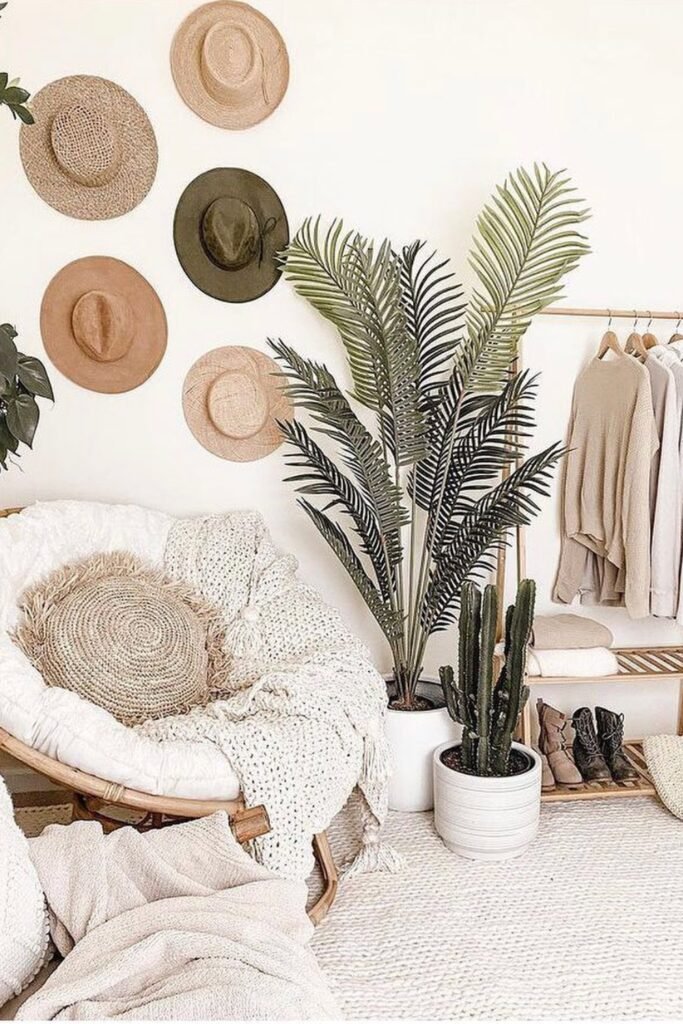
You can also keep it purely visual. A plant, lamp, or artwork can make the corner feel complete without turning it into a functional space.
The key idea is simple: don’t treat it as leftover space. Treat it as a small opportunity to improve your room’s usability or balance.
6. Easy Decor Ideas
Sometimes you don’t need a full setup. You just need one or two simple items to complete the look.
A tall plant is a safe and easy choice. It works in almost every room and adds life instantly.
A floor lamp is another good option. It fills empty space and improves lighting at the same time.
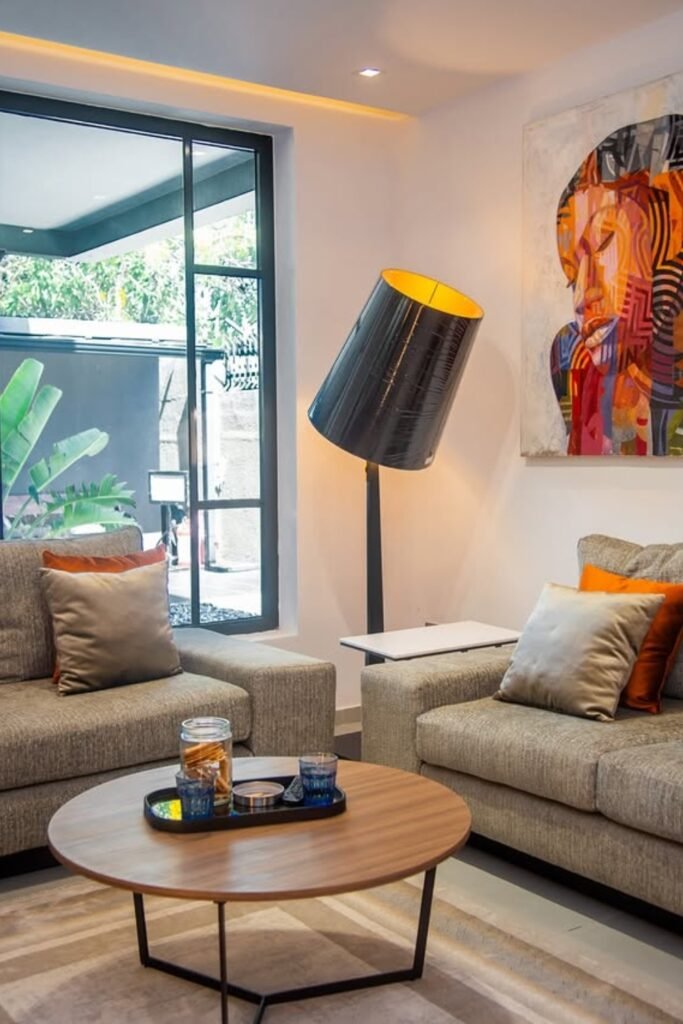
You can also use wall frames or a mirror to add visual interest without using floor space.
If you want something minimal, even a stool with a simple decor item like a vase can work.
The main rule is not to overthink. One strong element is better than many weak ones.
Mistakes That Make Corners Look Worse
The biggest mistake is overfilling the corner. People try to use every inch, but this only makes the room look cluttered.
Another mistake is mixing too many unrelated items. A chair, plant, shelf, and decor pieces all together often create confusion instead of style.
Choosing oversized furniture is also a common issue. It makes small corners feel tighter and heavy.
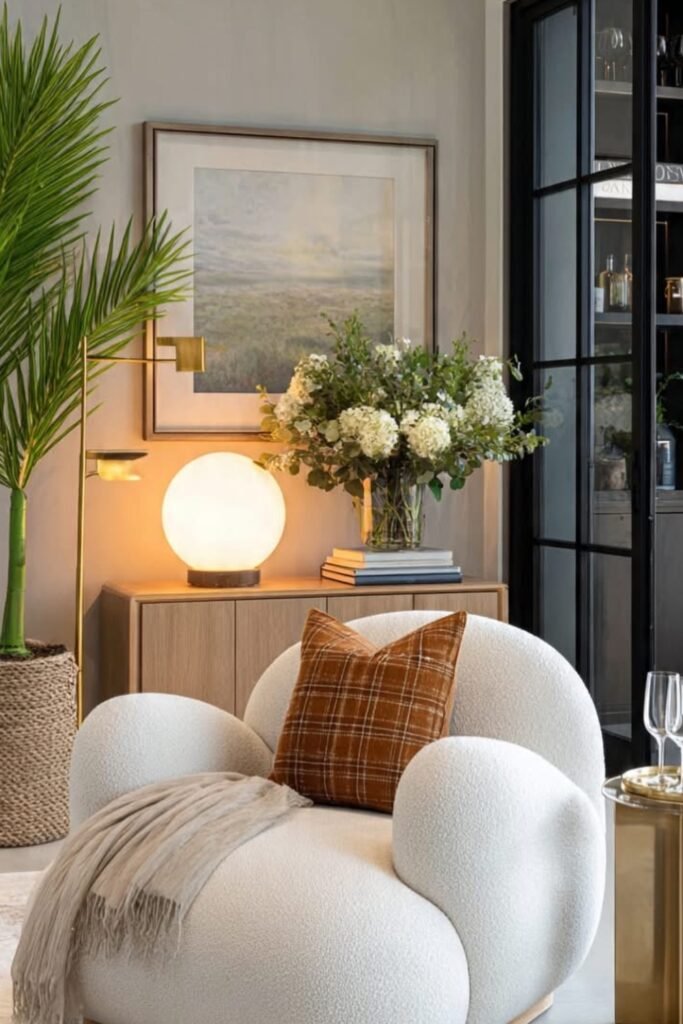
Ignoring balance is another problem. If one corner is heavily styled and the rest of the room is simple, it looks uneven.
Copying ideas directly from social media without adjusting them to your space is also a mistake. Every room is different.
The rule is simple: every item should have a reason to be there.
Quick Checklist
Before you place anything, ask a few simple questions.
- Do you have a clear purpose for this corner? If not, stop here.
- Is the size of the item matching your space? Small rooms need light setups, large rooms can handle more structure.
- Will this block movement or make the room feel tight?
- Does it look balanced with the rest of the room?
- Are you adding it because it’s useful or just because you feel the space is empty?
If the answer doesn’t feel right, don’t add it yet. Start simple and build slowly. This small thinking process saves you from clutter and regret later.
Conclusion
That empty corner in your living room was never just about decoration. The real issue is that it feels unfinished, and you’re not sure what to do with it.
That’s why most people either ignore it or keep trying random ideas that never fully work.
Once you understand the simple approach , purpose first, then space, then style , everything becomes easier.
You stop guessing and start making decisions that actually fit your room. A corner doesn’t need to be overloaded to look good. In most cases, less but intentional choices work better.
Whether you turn it into a small reading spot, add a simple plant, use it for storage, or just balance the space visually, the goal stays the same: make it feel natural in your room, not forced or random.
If you take one thing from this, remember this: don’t treat corners as leftover space. Treat them as part of your room design.
When you do that, even a simple setup starts to look complete, and your living room finally feels balanced and finished.
You may interested to read!