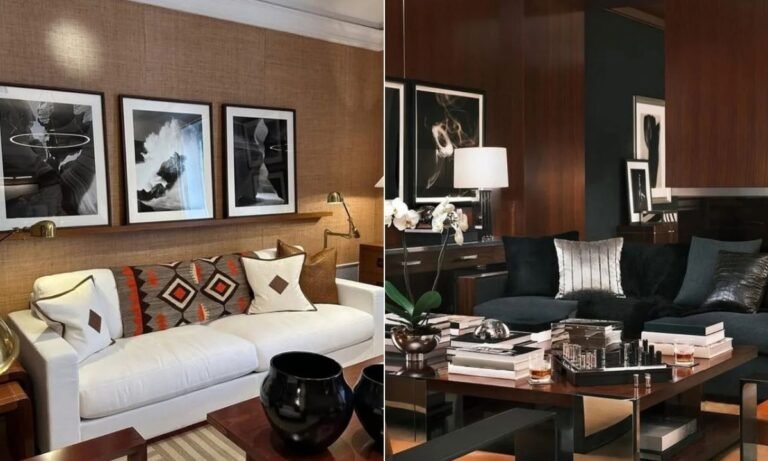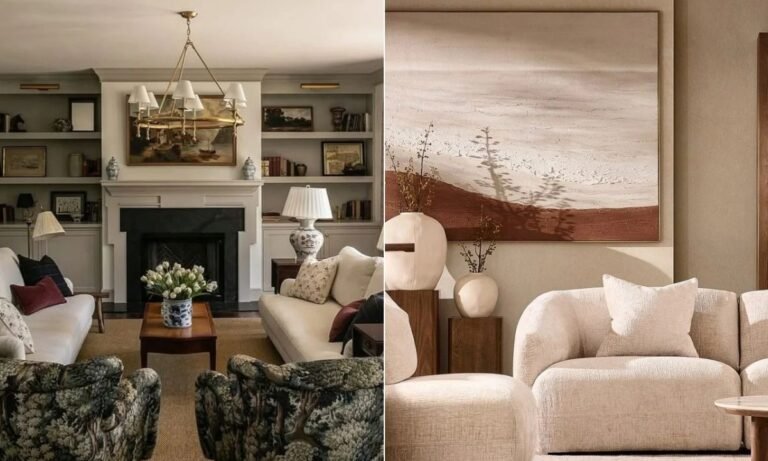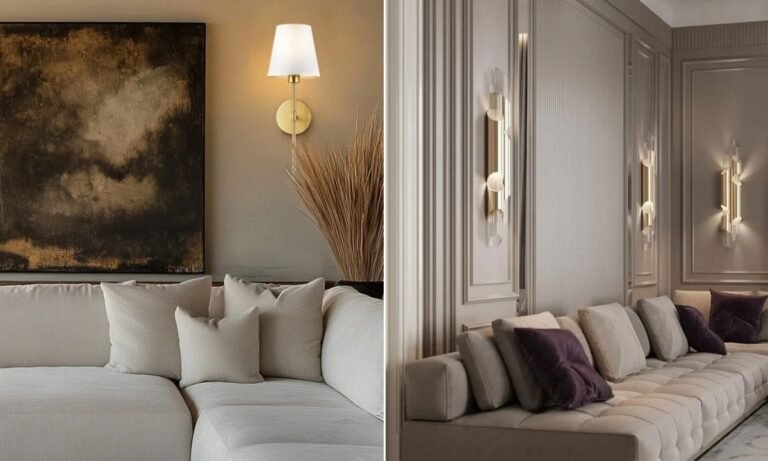
You can spend hours arranging your living room, moving the sofa a little, shifting the table, changing the angle of the TV… and still feel like something is not right.
The room doesn’t look “bad,” but it doesn’t feel comfortable either. It feels a bit tight, a bit empty, or just slightly off in a way you can’t explain.
And that’s the frustrating part, everything looks fine on its own, but the space still doesn’t work when you actually live in it.
This usually doesn’t happen because of bad furniture. It happens because of small layout mistakes that quietly affect how you move, sit, and see the room every day.
When traffic flow is blocked, when furniture sizes don’t match the space, or when there is no clear focal point, the whole room starts to lose balance.
And once that balance is off, no amount of decoration can fully fix it.
In this article, we’ll break down the most common living room layout mistakes that make your space feel uncomfortable even when it looks fine.
Let’s jump in!
Why Does Your Living Room Feel “Off” Even When Everything Looks Fine?
Most living rooms don’t feel wrong because of furniture or decoration. They feel wrong because the layout doesn’t match how you actually live in the space.
You might look at your room and think everything is in place. The sofa is there, the TV is centered, the coffee table is where it should be.
But still, something feels off. You don’t fully relax in the space. You don’t feel like sitting there for long. It just doesn’t feel “comfortable.”
This usually happens when the room looks good visually but doesn’t work functionally. Your eyes might like it, but your body doesn’t.
For example, you may have placed furniture in a way that looks balanced from the entrance, but once you sit down, the angles feel awkward.
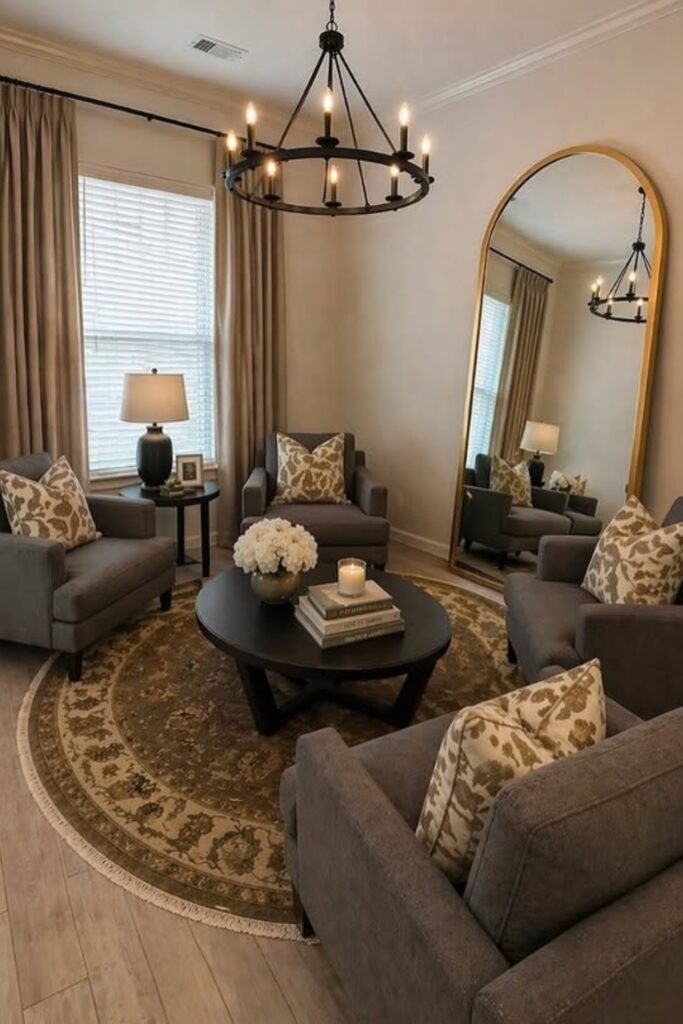
Or the space between furniture pieces feels too tight, so movement doesn’t feel natural. Even small misalignments create that uncomfortable feeling.
Another common reason is that the room doesn’t have a clear structure. Your eyes don’t know where to focus first, so the space feels slightly chaotic even if it’s clean.
The key thing to understand is this: a living room is not just about how it looks in photos. It’s about how it feels when you walk, sit, and live in it every day.
Once you start noticing this difference between “looking fine” and “feeling right,” you’ll begin to see why your layout isn’t working.
What Traffic Flow Mistakes Are Making Your Living Room Feel Cramped?
Traffic flow is simply how you move through your living room. And this is where most layouts fail without people even realizing it.
If you have to turn sideways to pass between furniture, or if you constantly adjust your path while walking, your layout is already creating tension.
The room might be spacious, but it will still feel tight because movement is not natural. A very common mistake is blocking the direct walking path from one area to another.
For example, the path from the entrance to the sofa or from the sofa to the balcony gets interrupted by a coffee table or chair.
This creates constant microobstacles that make the room feel smaller than it actually is.
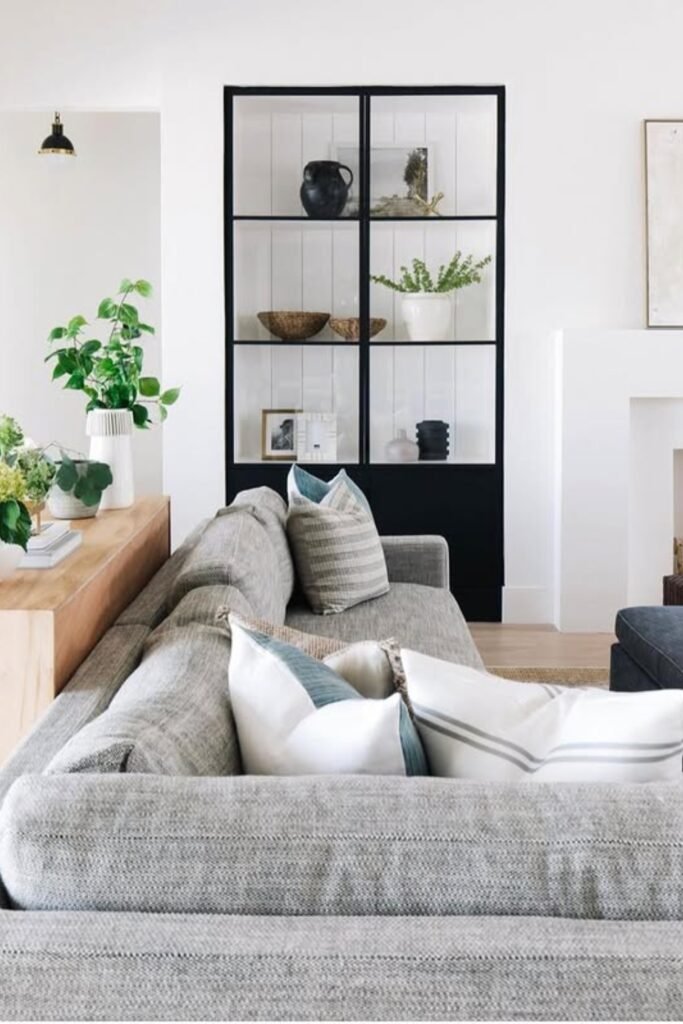
Another issue is placing too many pieces in the center of the room.
People often try to “fill space,” but what they actually do is block movement. Instead of open flow, the room becomes a maze of furniture.
Good layout allows you to move without thinking. You should be able to walk across the room without changing direction or squeezing through gaps.
When traffic flow is wrong, even a large living room feels cramped. But when it’s right, even a small room feels open and easy to live in.
Why Does Pushing All Furniture Against Walls Make Your Space Feel Worse?
Most people think pushing furniture against walls creates more space. Visually, it may look like you’ve opened the room. But in reality, it often does the opposite.
When all furniture sits against the walls, the center of the room becomes empty but disconnected.
Instead of feeling like one balanced space, the room feels split , furniture on the edges and empty space in the middle.
This setup also makes conversation areas feel weak. People end up sitting far apart, facing awkward angles, or stretching their voices across the room.
The space stops feeling social and starts feeling distant. Another problem is visual imbalance. Your eyes naturally look for groupings and structure.
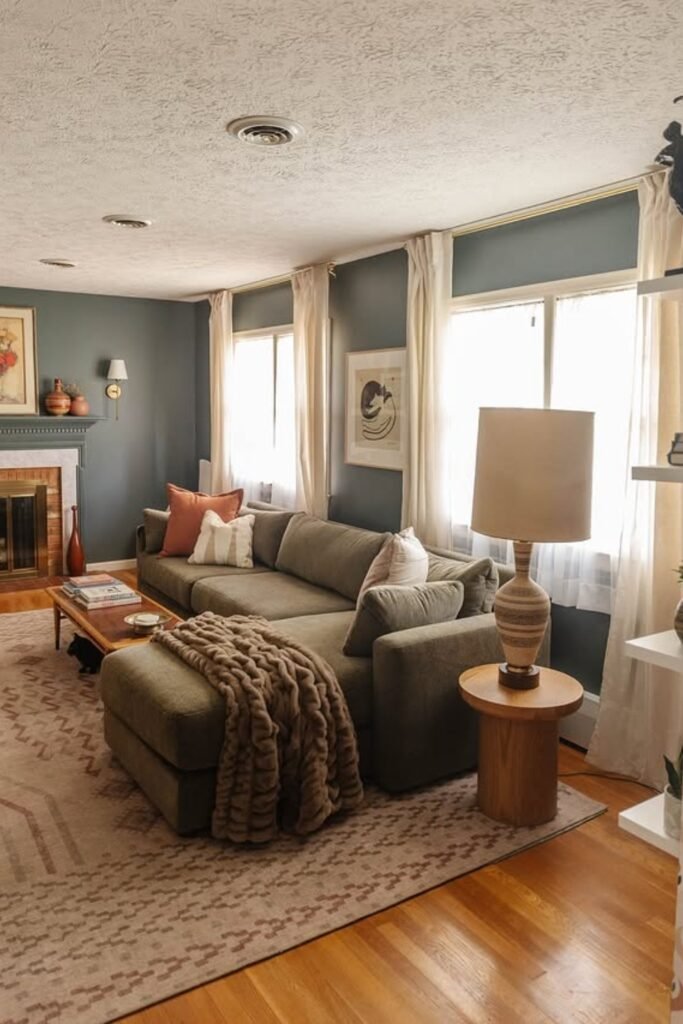
When everything is pushed outward, there’s no clear “zone” in the room. It feels like furniture is just placed around the edges without purpose.
A better approach is to bring furniture slightly inward and create a defined seating area.
This doesn’t mean moving everything to the center. It means grouping pieces so they feel connected and intentional.
When furniture is arranged in a focused zone, the room suddenly feels warmer, more balanced, and more usable.
How Do Furniture Size Mistakes Break Balance in Your Living Room?
Furniture size plays a huge role in how your living room feels, and most people underestimate it.
If your sofa is too big for the room, it immediately dominates the space. Everything else starts feeling squeezed around it.
Even if the room is large, one oversized piece can throw off the entire balance. On the other hand, if your furniture is too small, the room feels empty and unfinished.
You might have enough items in the room, but visually it doesn’t feel grounded. It lacks weight.
Balance is the key here. Your furniture should match the scale of the room, not just fit physically but also visually.
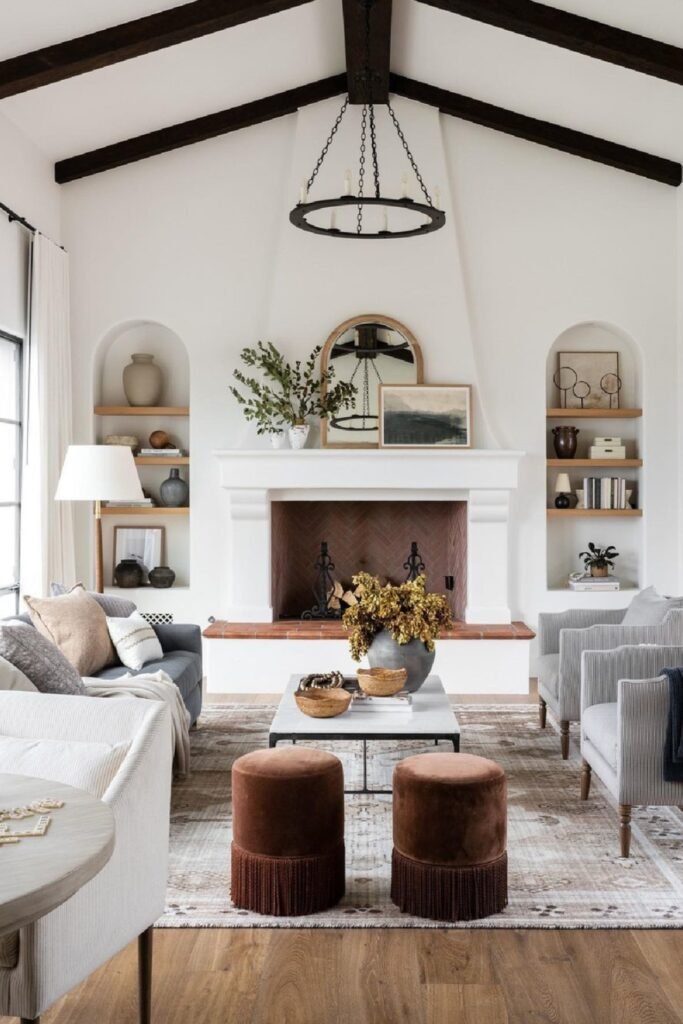
A common mistake is buying furniture based on looks without thinking about proportions.
A stylish sofa might look great in a showroom but feel completely different in a smaller living room.
When sizes are mismatched, your brain notices it instantly. The room feels slightly uncomfortable even if you can’t explain why.
Once furniture scale is corrected, everything else starts falling into place naturally.
What TV Placement Mistakes Are Controlling Your Whole Living Room Layout?
The TV often becomes the silent boss of the living room.
Once you place it in a fixed position, everything else starts adjusting around it , even if that placement doesn’t make sense for comfort or flow.
A very common mistake is placing the TV too high or in a corner where seating angles become uncomfortable.
People then shift sofas just to “face the screen,” even if it ruins the natural layout of the room.
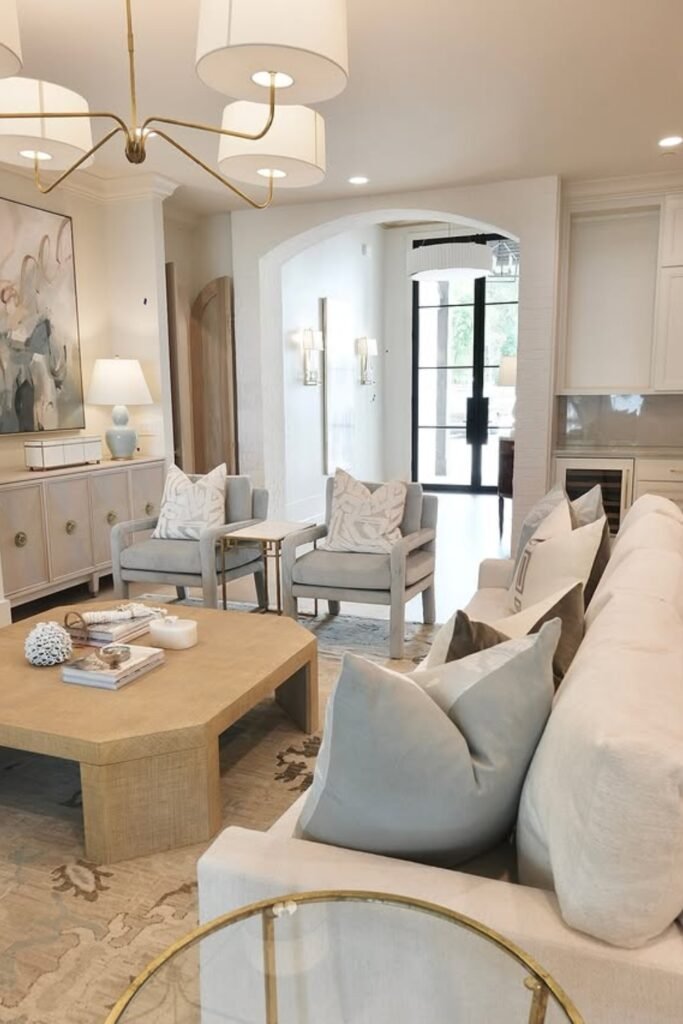
Another issue is making the TV the only focal point. When that happens, the entire room becomes entertainment-focused instead of balanced living space. It limits how you can use the room.
The best layouts treat the TV as part of the room, not the center of it. Seating should feel natural, not forced into position just for viewing.
When TV placement is wrong, everything feels locked in place. When it’s right, the room feels flexible and easy to live in.
Why Does Your Living Room Feel Disconnected Without a Clear Focal Point?
A living room always needs one clear point that your eyes naturally settle on. Without it, the space starts to feel confusing, even if everything is nicely arranged.
The problem is, many people accidentally create multiple focus points. The TV, a big window, a decorative wall, and sometimes even furniture all compete for attention.
Instead of one balanced center, your eyes keep jumping from one thing to another.
This creates a feeling of discomfort. You may not notice it directly, but your brain feels it. The room looks “busy” without actually being full.
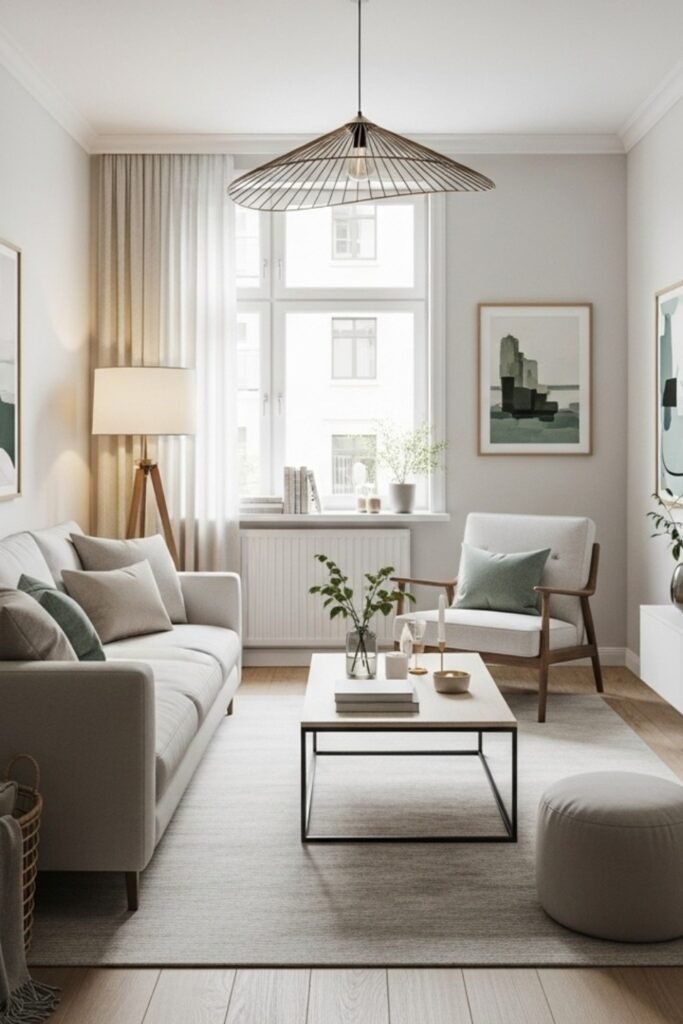
A strong focal point gives the room direction. It tells your eyes where to go first. It could be a TV wall, a sofa setup, or even a simple styled corner. What matters is clarity, not complexity.
When there is no clear focus, furniture feels randomly placed. The room doesn’t feel planned, even if you spent time arranging it.
Once you define a focal point, everything else becomes easier. Seating starts making sense. Decor feels more organized. The room suddenly feels more intentional and calm.
How Can You Fix Your Living Room Layout Without Starting Everything Over?
The good news is you don’t need to redesign your entire living room to fix these problems. Most issues come from small placement mistakes, not the furniture itself.
Start by looking at how you move in the room. If you feel blocked or forced to change direction while walking, adjust the furniture slightly to open a natural path. Even a small shift can improve flow.
Next, check how your seating is arranged. If everything is pushed too far apart or stuck against walls, try bringing pieces slightly closer to create a more connected zone.
You don’t need to move everything , just create a clear group.
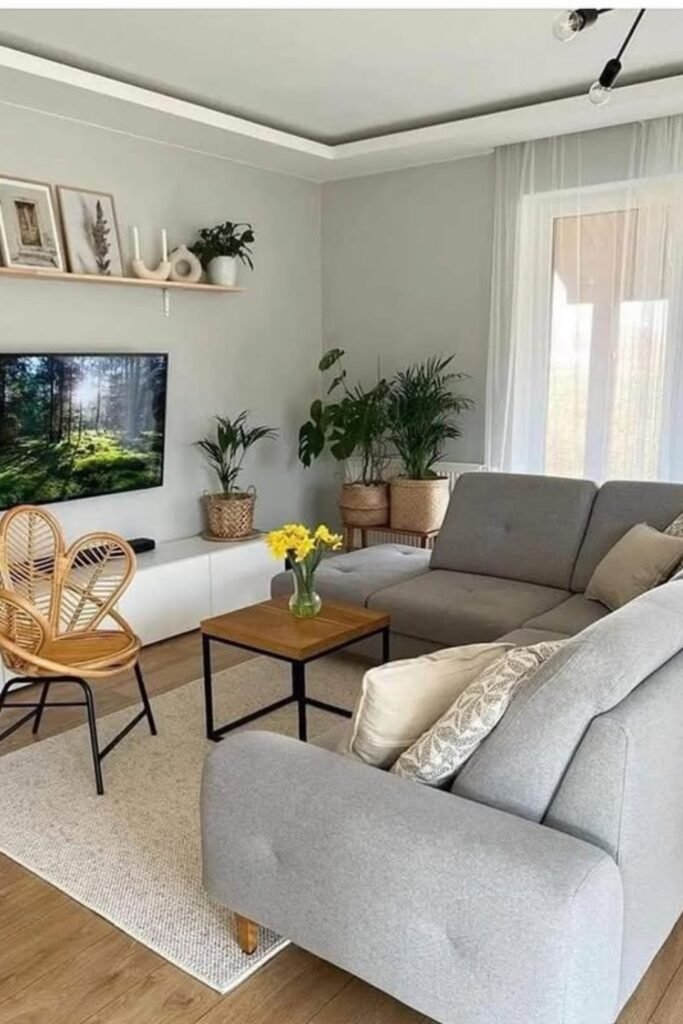
Then look at balance. If one side of the room feels heavier or more crowded, redistribute smaller items like chairs, tables, or decor to even it out.
Also, pay attention to what your eyes see first when you enter the room. That is your natural focal point.
If it feels unclear, adjust one main element (like sofa direction or TV position) to create structure.
The key is not big changes , it’s small corrections that improve flow, balance, and focus.
When you fix these three things, your living room will start feeling better immediately without a full redesign.
Conclusion
Most living room layout problems don’t come from bad furniture or lack of space.
They come from small mistakes in flow, balance, and placement that quietly affect how the room feels every day.
If your living room feels off, it’s usually because movement is blocked, furniture is mismatched in size, or there is no clear focal point guiding the space.
The good part is you don’t need to start over. Once you understand these mistakes, you can adjust your existing setup and instantly improve how the room feels.
A good layout is not about perfection , it’s about making your space easy to move in, comfortable to sit in, and calm to look at.
You may interested to read!