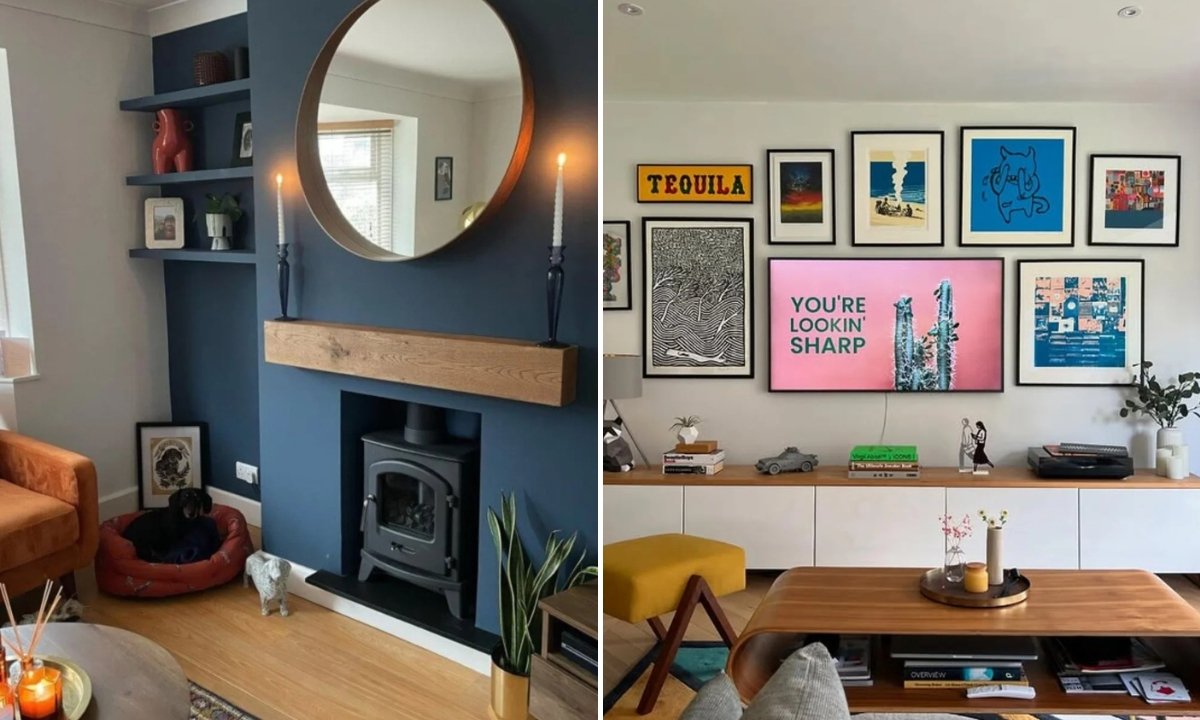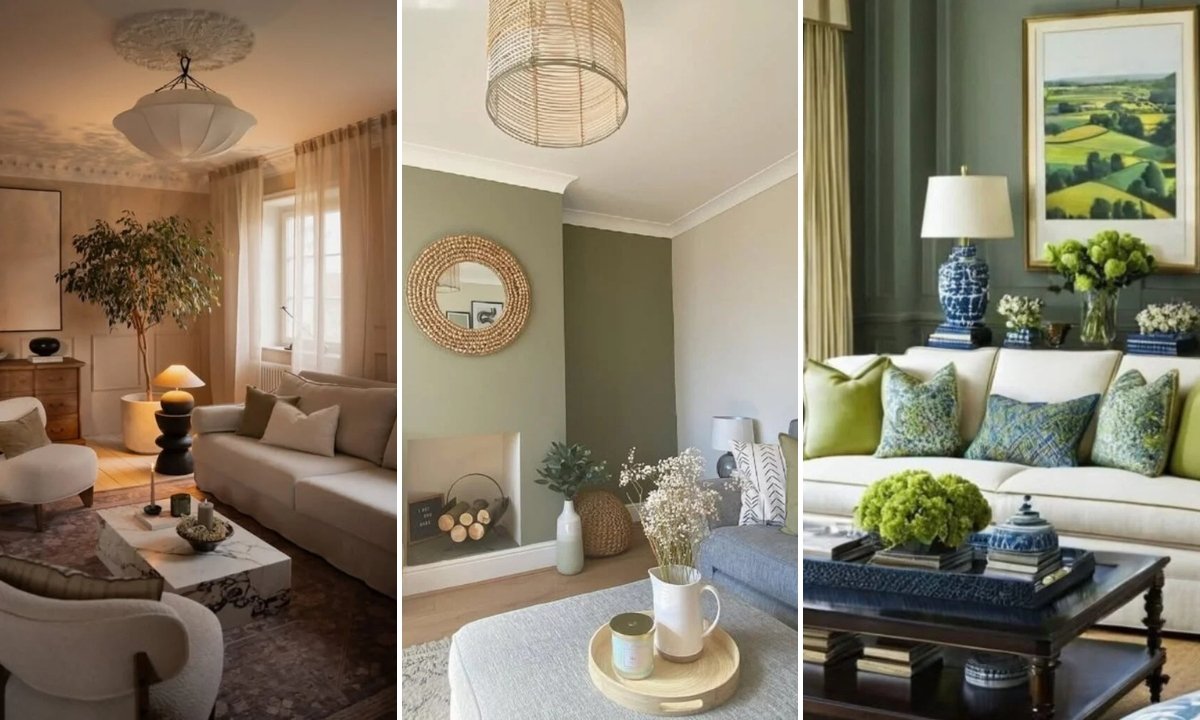

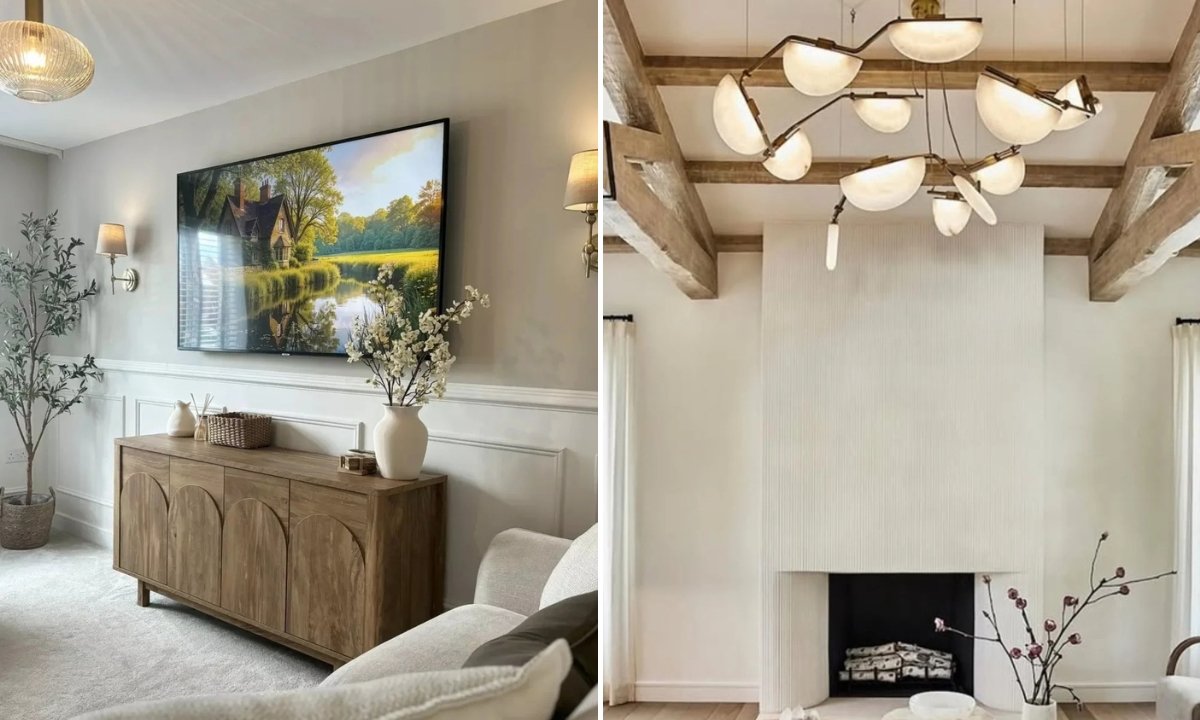
You walk into your living room in the evening, switch on the lights, and something immediately feels off. The room doesn’t feel warm or relaxing the way you expected.
Sometimes it feels too bright and harsh, and other times it feels dull and empty even though the light is on.
Most people don’t realize this right away. They assume the problem is the sofa, the wall color, or the décor.
So they keep changing small things, hoping the room will suddenly “come together.” But it rarely does.
The real issue is usually much simpler , the lighting is not working with the space.
Living room lighting is not just about picking a nice ceiling light or adding a lamp in a corner. It’s about how light spreads, where it falls, and how different sources work together.
When this balance is missing, the room never feels fully comfortable, no matter how good everything else looks.
If your living room feels flat, too bright in one spot, or just not cozy at night, you’re not alone.
Most homes struggle with the same thing, and the reason is almost always the same: lighting is being chosen without a clear plan.
In this article, you’ll learn how to fix that step by step. No complicated design rules, just practical ways to choose lighting that will actually make your living room feel right.
Let’s jump in!
Table of Contents
- Why Your Living Room Never Feels Right Even After Adding Lights?
- What is the Real Purpose of Living Room Lighting Beyond Just Brightness?
- How Does the 3-Layer Lighting System Actually Fix Most Living Room Lighting Problems?
- How to Choose the Right Ceiling Light Without Making Your Room Flat?
- How to Use Floor Lamps & Table Lamps to Create Balance & Comfort?
- Conclusion
Why Your Living Room Never Feels Right Even After Adding Lights?
Most people think adding more lights will fix a living room that feels dull or uncomfortable.
So they buy a new ceiling light, maybe add a lamp in the corner, and expect the room to feel better. But it usually doesn’t change much.
The reason is simple. Lighting is not just about how much light you add. It’s about how that light spreads across the room.
If all the light is coming from one direction, the room will always feel flat.
If the light is too strong in one area and missing in another, your eyes will feel that imbalance even if you don’t notice it directly.
Another common issue is shadows. A single light source creates harsh shadows behind furniture and in corners.
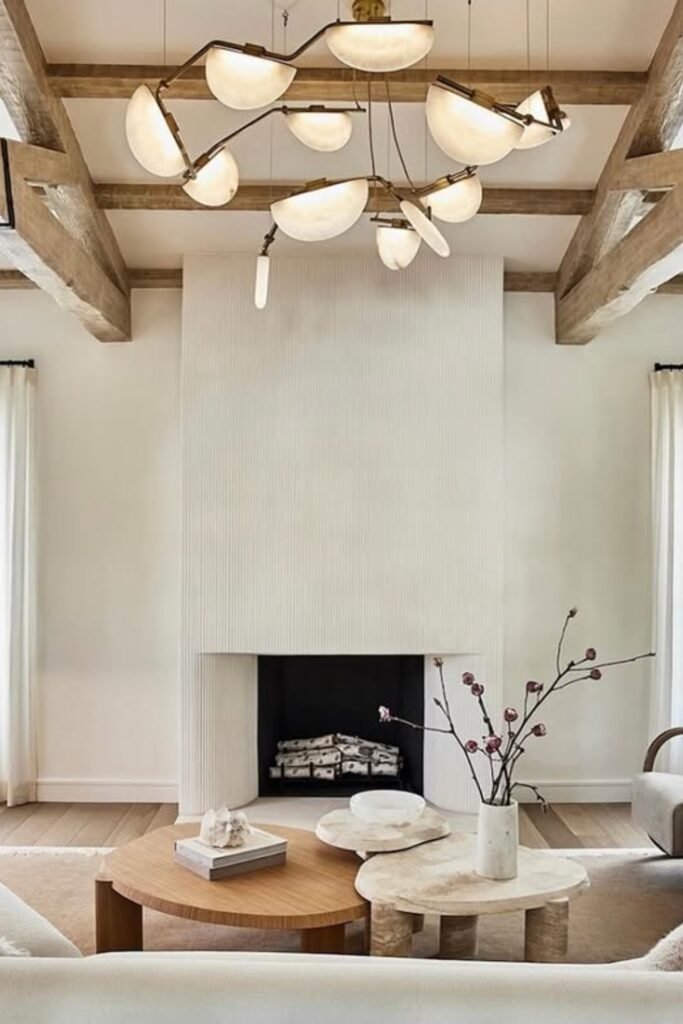
That makes the room feel incomplete or slightly uncomfortable, even if everything is clean and well-decorated.
Sometimes the problem is also contrast. If your room is very bright in the center but dark on the sides, your brain reads it as “unfinished” or “not cozy.”
That’s why the room feels wrong even when you can’t point out a specific issue.
This is why just “adding more lights” doesn’t fix the problem. What you actually need is balance , light coming from different levels and directions so the room feels evenly supported.
Once you understand this, you stop guessing and start fixing the real issue.
What is the Real Purpose of Living Room Lighting Beyond Just Brightness?
Most people think the job of lighting is simple , make the room bright enough to see everything clearly.
But in a living room, brightness is only part of the job. The real purpose of lighting is to control how the space feels, not just how it looks.
A living room is not like a kitchen or bathroom where you only need clear visibility. It’s a space where you relax, watch TV, talk, and spend time with people.
That means the lighting has to adjust to different moods and activities, not just one fixed setting.
If your lighting is too bright everywhere, the room feels harsh and uncomfortable. If it’s too dim, it feels tired and uninviting.
The goal is to create balance , enough light to see clearly, but also softer areas that make the room feel warm and easy on the eyes.

Lighting also controls focus. For example, a slightly brighter area near seating makes the space feel more active and welcoming, while softer light in the background creates depth and comfort.
Without this balance, everything looks flat, like a single layer with no dimension.
So before choosing any light, you need to understand this: you are not just lighting a room, you are shaping how it feels at different times of the day.
Once you see lighting this way, your choices become much clearer and more intentional.
How Does the 3-Layer Lighting System Actually Fix Most Living Room Lighting Problems?
If your living room lighting feels random or uneven, the problem is usually that you are relying on only one type of light.
Modern lighting design solves this with a simple system called layered lighting. It uses three types of light together so the room feels balanced and natural.
The first layer is ambient lighting. This is your main light source, usually a ceiling light, and its job is to provide overall brightness.
But on its own, it often feels flat. That’s where most people go wrong , they stop here.
The second layer is task lighting. This is focused light used for specific activities like reading, sitting, or working. Table lamps and floor lamps are common examples.
This layer adds direction and makes the room more practical and comfortable.
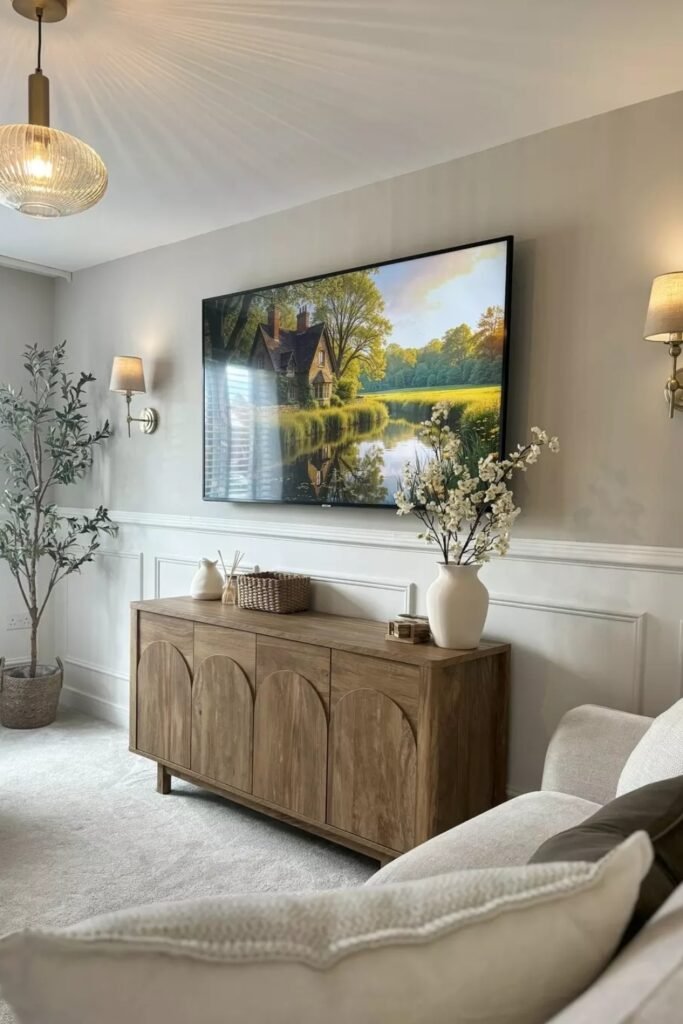
The third layer is accent lighting. This is softer lighting used to highlight parts of the room or create mood.
It might be a small lamp, wall light, or indirect lighting. It adds depth and stops the room from looking plain.
When all three layers work together, the room feels complete. Ambient light keeps things visible, task light supports your daily use, and accent light adds warmth and personality.
Without layering, even expensive lights will not fix the problem. With layering, even simple lighting setups start to feel well-designed and balanced.
How to Choose the Right Ceiling Light Without Making Your Room Flat?
The ceiling light is usually the first thing people choose, but it’s also where most mistakes happen. A bad ceiling light doesn’t just affect brightness , it affects the entire mood of the room.
A common mistake is choosing a very strong central light that spreads evenly but without depth. This makes the room look flat, like everything is on the same level.
It removes shadows completely, and while that might sound good, it actually makes the space feel lifeless.
Another issue is choosing a light that is too small for the room. In that case, the center becomes bright, but corners stay dark. This creates imbalance and makes the room feel incomplete.
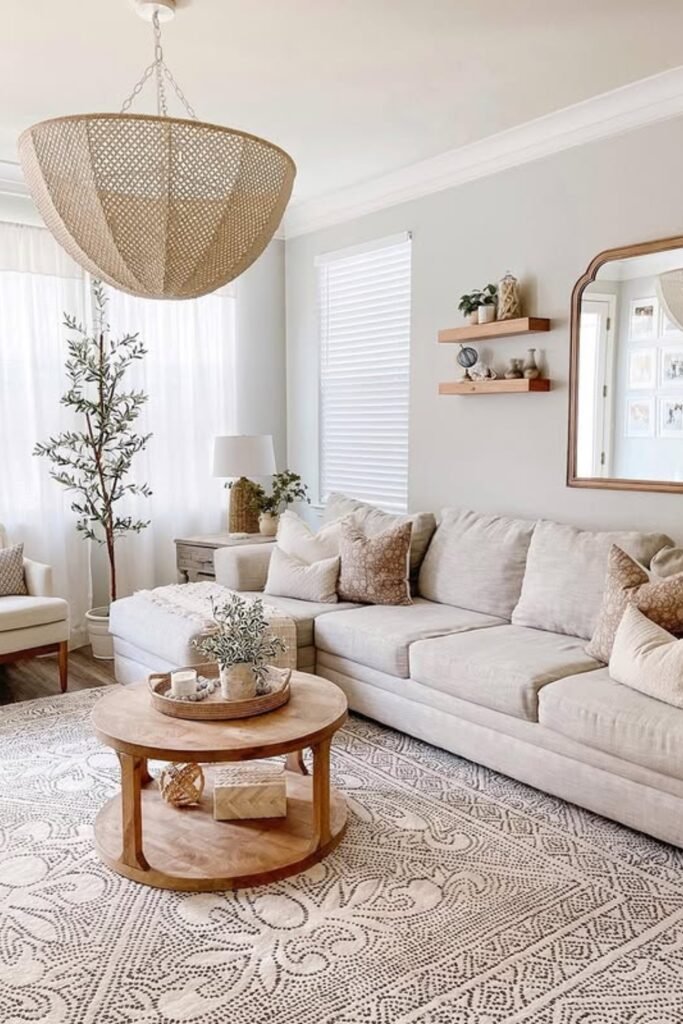
The goal with a ceiling light is not just brightness, but coverage. It should spread light evenly without creating harsh hotspots.
Soft diffusion works better than sharp direct lighting in most living rooms.
Placement also matters. If the ceiling light is the only source of light, it should never be the sole focus of the room. It should support other lights, not dominate everything.
Think of the ceiling light as the base layer. It gives structure, but it should never be doing all the work alone.
Once you understand this, your lighting choices become more balanced and much easier to get right.
How to Use Floor Lamps & Table Lamps to Create Balance & Comfort?
Floor lamps and table lamps are often treated as decoration, but in reality, they play a major role in fixing lighting problems in a living room.
They are what turn a flat, single-source lighting setup into something balanced and comfortable.
The main job of these lamps is to bring light down to eye level. Ceiling lights shine from above, which can feel harsh or distant.
But when you add light at different heights, the room instantly feels more natural and layered.
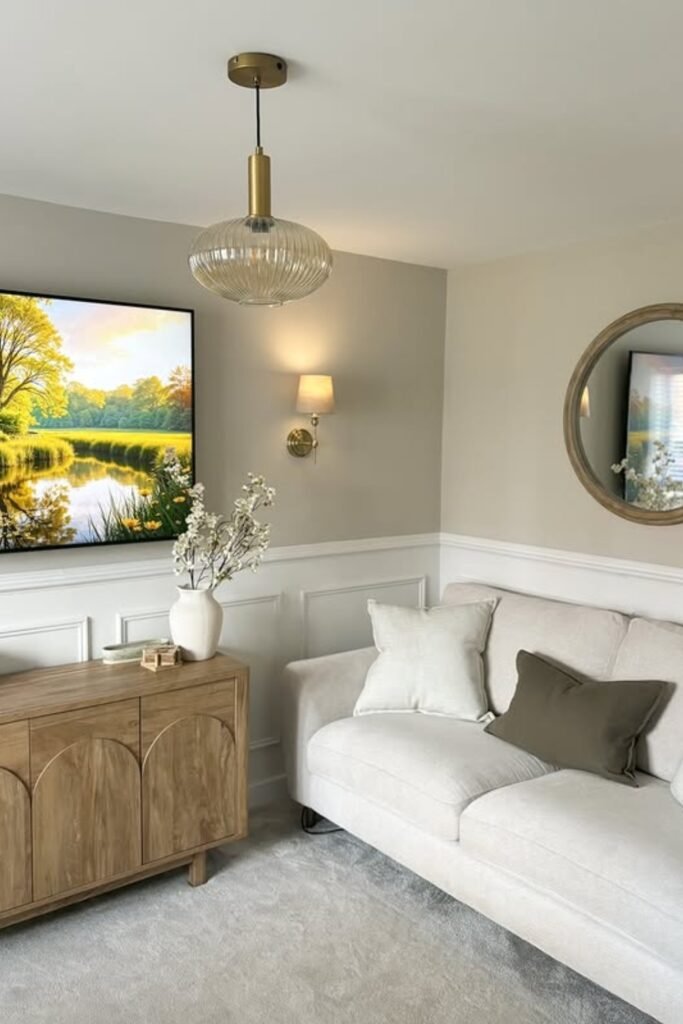
A floor lamp placed near a sofa creates a soft glow in one corner, which reduces the harsh contrast caused by a strong ceiling light.
It also makes seating areas feel more inviting and cozy. Table lamps work in a similar way but in smaller zones.
They are perfect for side tables, corners, or reading areas. Instead of lighting the whole room, they create focused pockets of warmth.
The key is not to scatter lamps randomly, but to place them where the room feels empty or too dark. You are not just adding light , you are balancing the space.
When used correctly, these smaller lights reduce the pressure on the ceiling light and make the whole room feel softer, more relaxed, and visually complete
Conclusion
Choosing the right living room lighting is not about buying expensive fixtures or following random design tips. It’s about understanding how light changes the way your room feels in real life.
If your living room has ever felt too harsh, too dull, or just “not cozy enough,” the issue is usually not your furniture or décor. It’s the lack of balance in lighting.
One ceiling light is never enough, and adding random lamps without a plan doesn’t solve the problem either.What actually works is a simple structure.
You start with a basic ceiling light for overall brightness, then add floor lamps and table lamps to create comfort at eye level, and finally use small accent lights to bring depth and warmth into the space.
When these layers work together, the room stops feeling flat and starts feeling complete.
You don’t need a complicated setup to fix it. You just need to stop thinking of lighting as a single choice and start thinking of it as a system.
Once you apply this approach, your living room doesn’t just look better , it feels better every time you walk in, especially at night when lighting matters the most.
You may interested to read!