
Choosing a living room wall color can feel easy until you bring home the paint sample.
The color that looked soft online can suddenly look too yellow, too dark, too gray, or completely wrong with your sofa.
That happens because your room has its own light, flooring, furniture, and mood.
So don’t start with the trendiest paint color first. Start with what already exists in your living room.
In this article, you’ll learn how to choose a wall color that works with your real space, not just a perfect photo online.
Let’s jump in!
Table of Contents
- How Natural Light Changes Wall Color?
- 8 Ways To Choose Livingroom Wall Color
- 1. Match the Wall Color With Your Largest Furniture
- 2. Look at the Natural Light First
- 3. Start With the Flooring
- 4. Decide the Mood You Want
- 5. Keep Nearby Rooms in Mind
- 6. Understand Warm and Cool Undertones
- 7. Use Bold Colors Carefully
- 8. Test Paint Before Committing
- How Do You Choose a Living Room Wall Color That Won’t Feel Outdated?
- Can Wall Color Make a Living Room Look Bigger or Smaller?
- Conclusion
How Natural Light Changes Wall Color?
Natural light can completely change the way your living room wall color looks. A soft beige can look warm and cozy in one room, but too yellow in another.
A clean gray can look balanced in a bright space, but cold and dull in a room that gets less sunlight.
So before you choose any paint color, look at how light enters your living room during the day.
If your room feels dark, avoid colors that already have a heavy or muddy tone. Go for warmer whites, soft beige, light greige, or gentle cream to keep the space open.
If your room gets strong sunlight, you can use deeper colors more safely because the light will help balance them.
The best way to decide is simple: test the paint on more than one wall and check it in the morning, afternoon, and evening. A color should look good in your real light, not only under store lighting.
8 Ways To Choose Livingroom Wall Color
Following are the 8 ways to choose livingroom wall color.
1. Match the Wall Color With Your Largest Furniture
Your sofa usually takes the most visual space in the living room, so the wall color should work with it first.
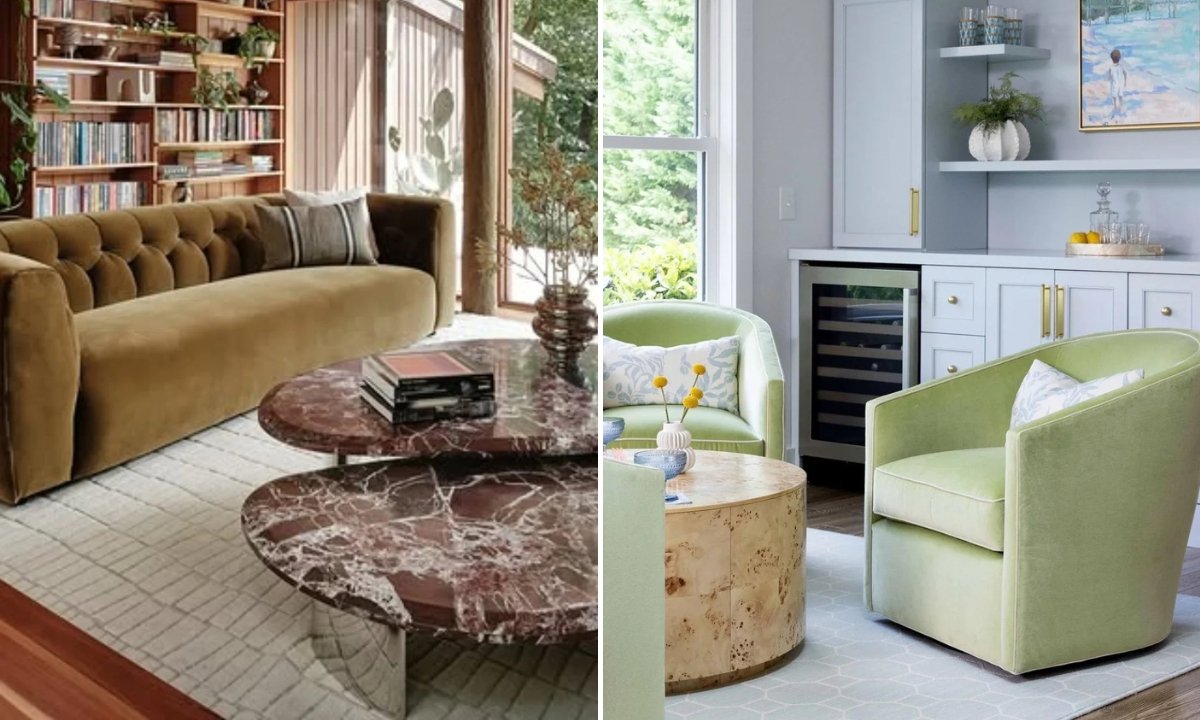
If your sofa has warm tones, choose warmer wall colors. If the sofa looks cool or gray, avoid creamy yellow walls that can clash with it.
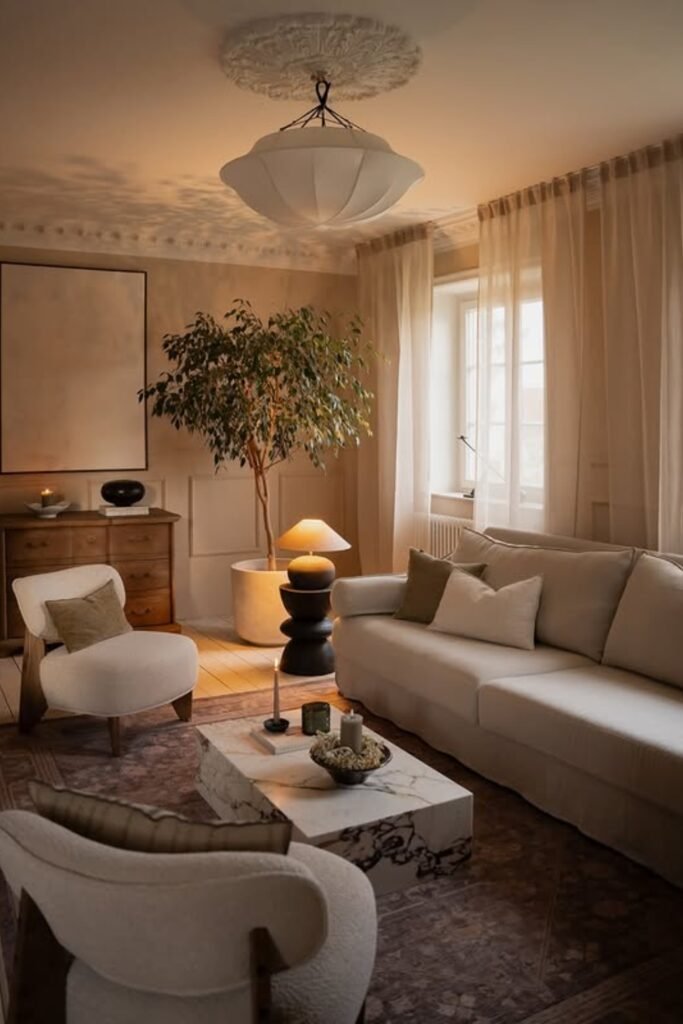
2. Look at the Natural Light First
A color never looks the same in every room. Bright sunlight can make colors look lighter, while darker rooms can make paint feel heavy and dull.
Always test samples during different times of the day before making the final decision.
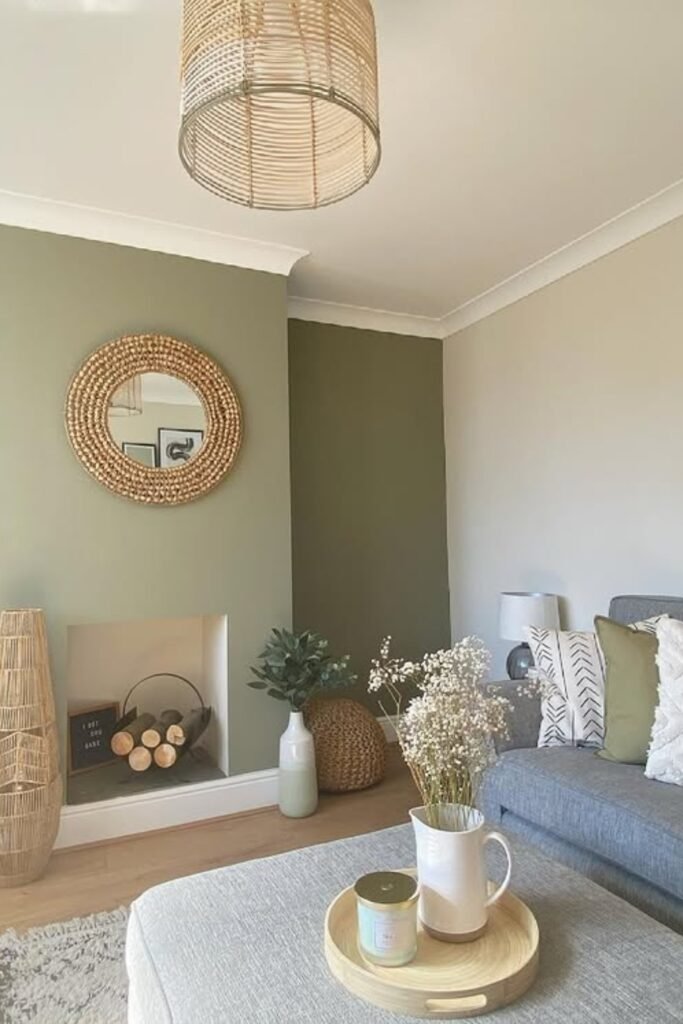
3. Start With the Flooring
Your flooring already adds a strong color tone to the room. Wood floors, gray tiles, marble, or beige carpet all affect how paint appears.
If the undertones fight each other, the whole room can feel off even when the paint color looks beautiful alone.

4. Decide the Mood You Want
Before choosing a color, decide how you want the room to feel. Soft warm colors make the room feel cozy and relaxed.
Deep colors feel dramatic and rich. Light neutrals make the space feel bigger and calmer.
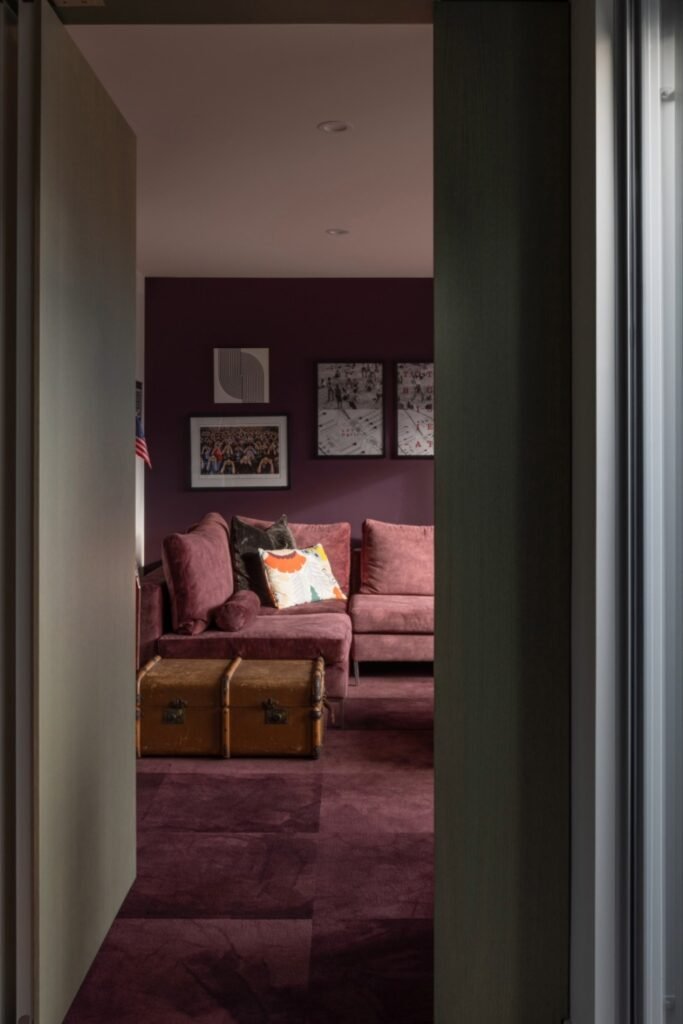
5. Keep Nearby Rooms in Mind
If your living room connects to the kitchen, hallway, or dining area, the wall color should flow naturally into those spaces.
You do not need identical colors everywhere, but the tones should feel connected instead of random.
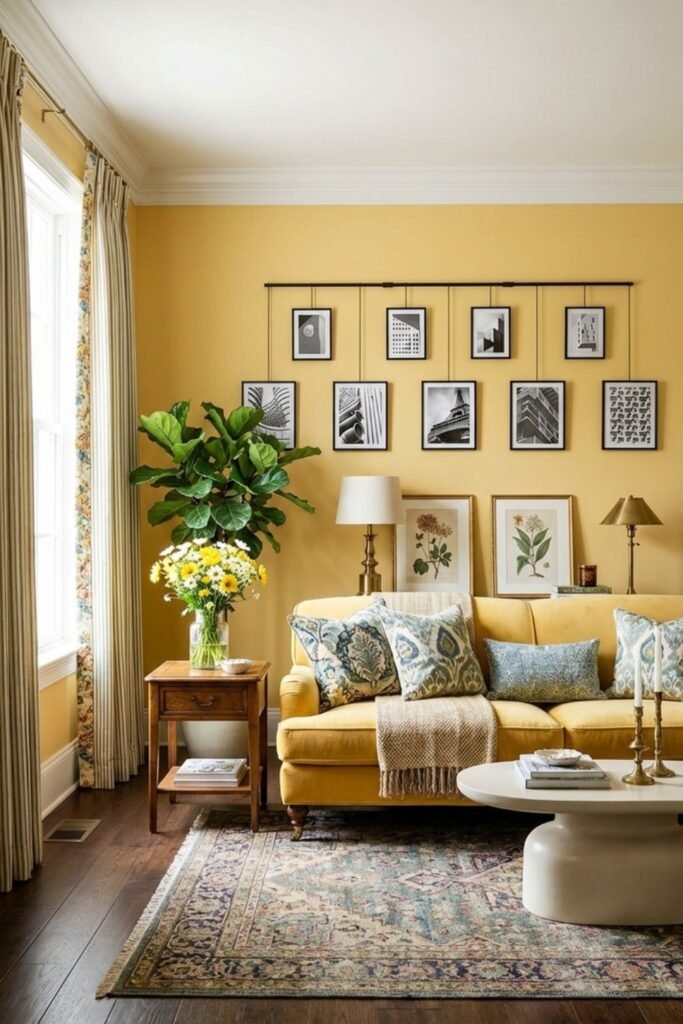
6. Understand Warm and Cool Undertones
Many people choose the wrong paint because they ignore undertones. A white paint may look pink, yellow, blue, or gray once it goes on the wall.
Always compare samples side by side to notice the hidden undertones before painting.
7. Use Bold Colors Carefully
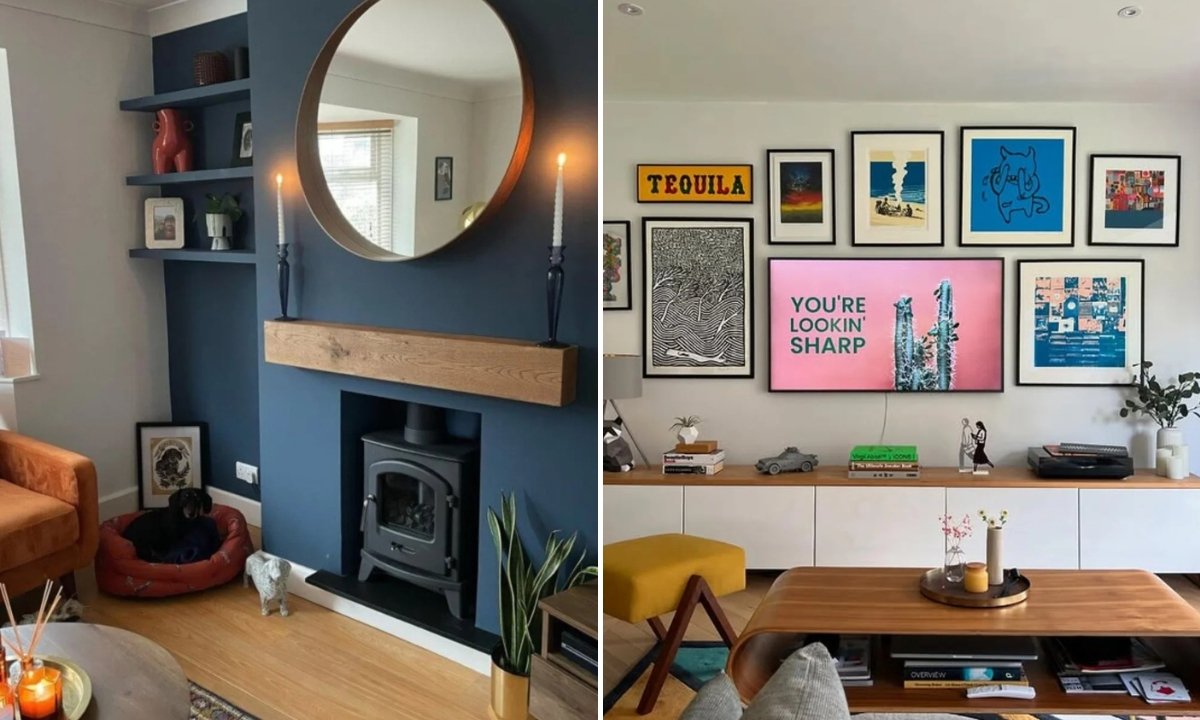
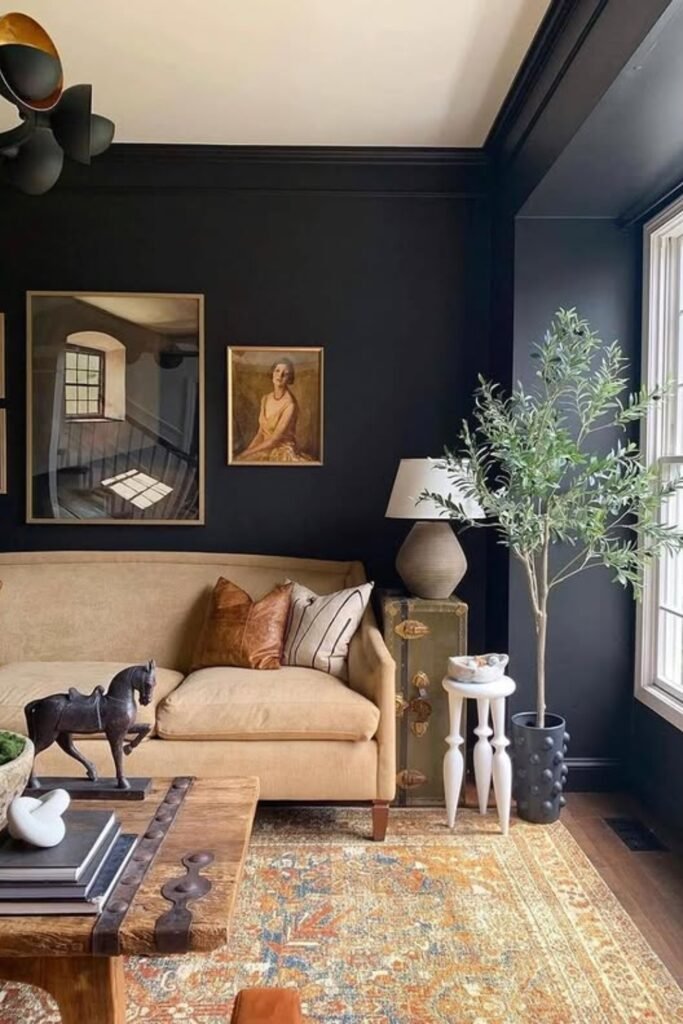
Dark green, navy, terracotta, and charcoal can look beautiful, but they work best when the room already has enough light and balance.
If everything in the room feels dark, the space can quickly feel smaller and heavy.
8. Test Paint Before Committing
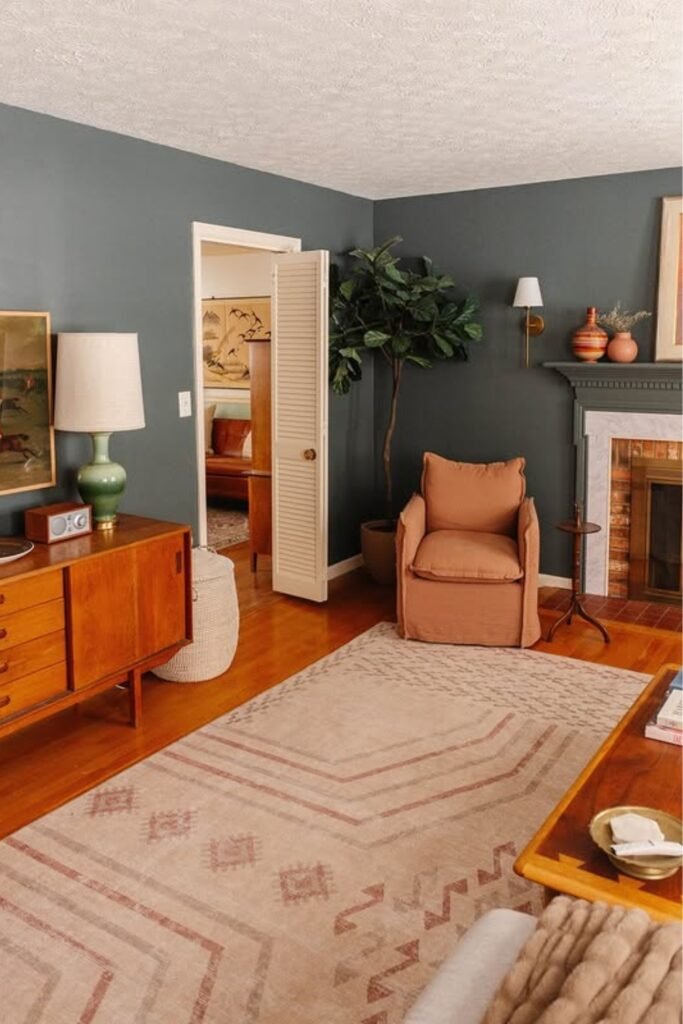
Never choose paint from a tiny color card alone. Paint samples on large boards or use peel-and-stick samples first.
Move them around the room and check them beside your curtains, rug, and furniture before buying gallons of paint.
How Do You Choose a Living Room Wall Color That Won’t Feel Outdated?
It is easy to fall in love with a trendy paint color after seeing it online, but trends change fast.
Your living room wall color should still feel comfortable after new furniture, decor, or seasons come and go.
That is why it helps to focus on colors that already work with the fixed parts of your room instead of only following trends.
Before choosing a paint color, ask yourself one simple question: will this color still feel good if you change your curtains, rug, or throw pillows later?
If the answer feels uncertain, the color may be too trend-focused.
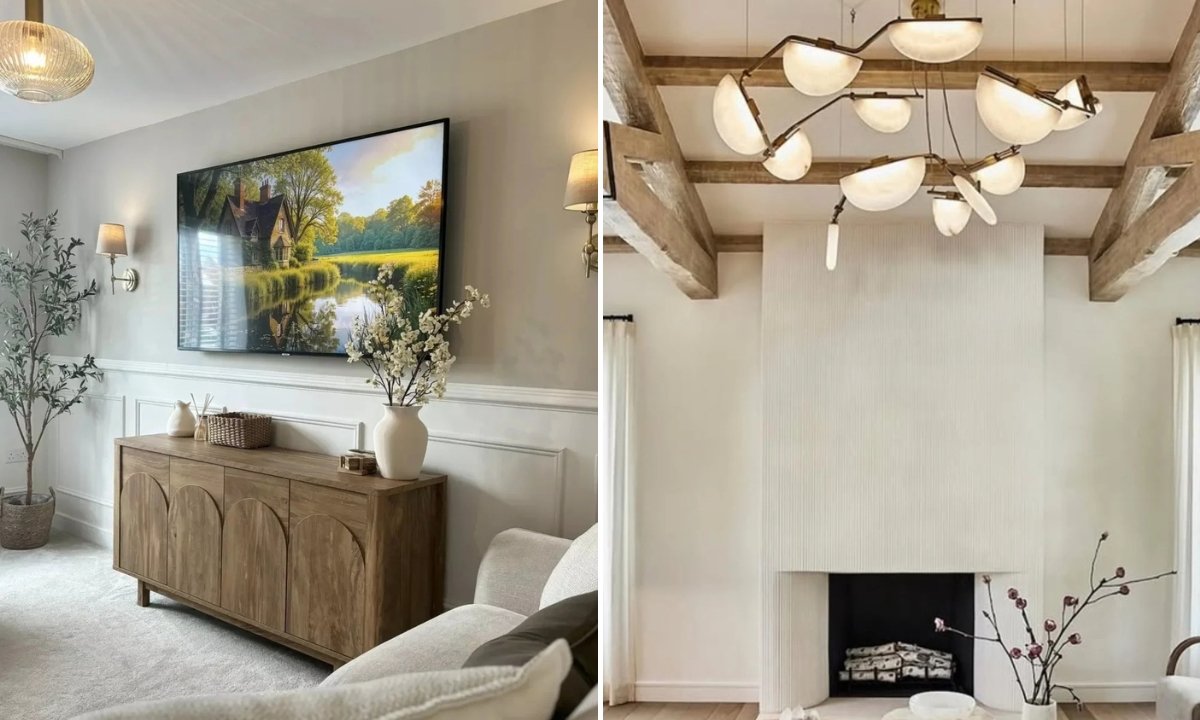
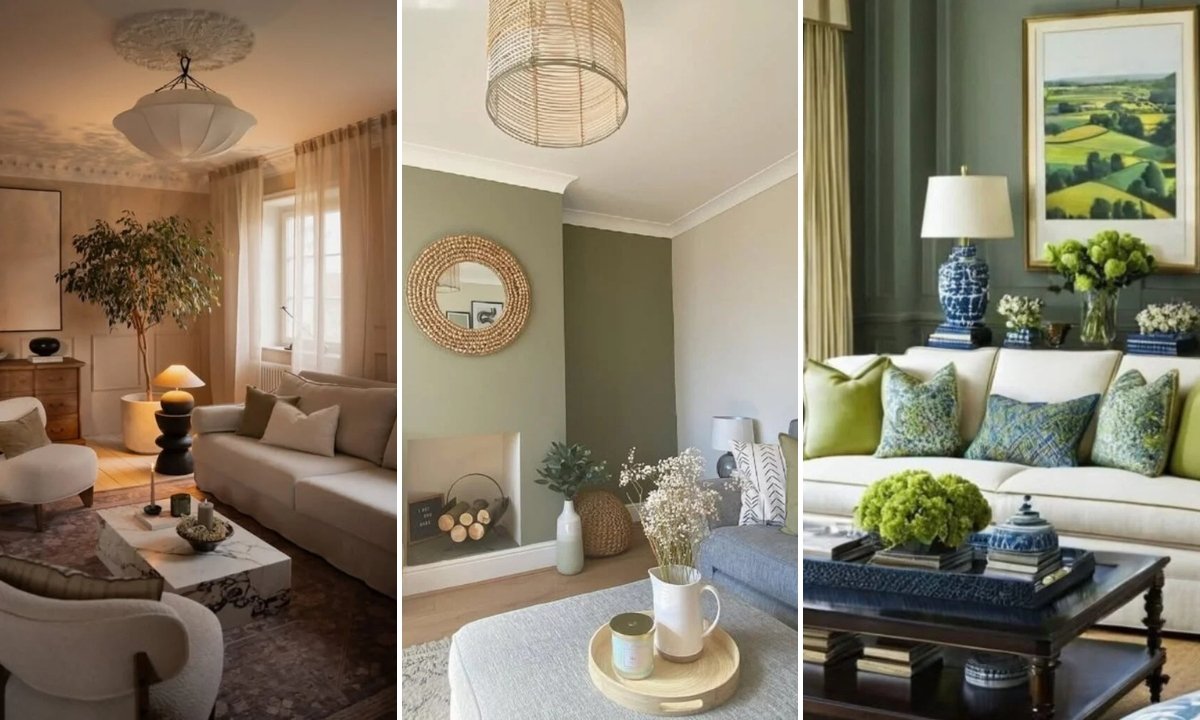
Soft warm whites, balanced greige, muted greens, earthy beige, and calm taupe shades usually stay easier to style over time because they work with many furniture colors and decor styles.
This does not mean your living room has to feel boring. You can still bring personality into the room through artwork, cushions, lighting, plants, and smaller decor pieces.
Keeping the walls more flexible often saves money and prevents repainting later. A timeless wall color gives you more freedom to refresh the room without starting over completely.
Can Wall Color Make a Living Room Look Bigger or Smaller?
Wall color changes the way your living room feels the moment someone walks inside.
Light colors usually reflect more natural light, which helps the room feel bigger, brighter, and more open.
This is why small living rooms often look better with soft whites, light beige, pale greige, or warm neutral shades.
Dark colors work differently. They absorb more light and create a cozy feeling, but they can also make a small room feel closed in if the space already lacks sunlight.
That does not mean you should avoid dark paint completely.
A deeper green, charcoal, navy, or brown can still look beautiful when the room has large windows, high ceilings, or enough natural brightness to balance the color.
You should also think about visual balance. If your living room already has dark flooring, heavy furniture, and dark curtains, adding a very dark wall color may make the room feel too heavy.
In that case, lighter walls help create contrast and keep the space comfortable. The goal is not just choosing a beautiful color.
The goal is making the room feel right when you spend time in it every day.
Conclusion
Choosing a living room wall color becomes much easier when you stop looking at paint as a separate choice.
Your sofa, flooring, rug, curtains, natural light, and nearby rooms all affect how the color will look.
So take your time before you paint the whole room. Test samples, check them during the day, and choose a color that supports the space you already have.
The right wall color should make your living room feel comfortable, balanced, and easy to live with every day.
You may interested to read!