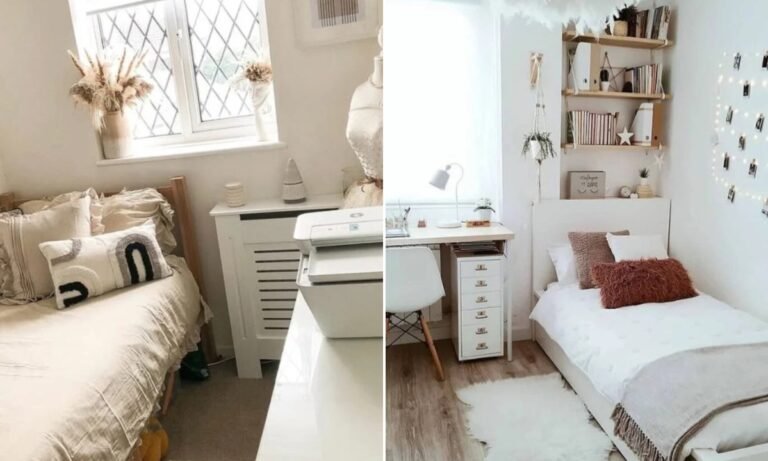


Your bedroom can have a nice bed, pretty curtains, matching furniture, and soft bedding, but still feel wrong.
Sometimes the problem is not the decor itself. It is the way everything works together in the room.
A bedroom should feel calm, easy to move around in, and comfortable at the end of the day.
But small mistakes like poor bed placement, harsh lighting, crowded furniture, short curtains, or too much visible clutter can make the whole space feel stressful.
The good thing is, you do not always need to buy new furniture or start from zero.
In this article, we will look at the most common bedroom interior design mistakes and how you can fix them in a simple, practical way.
Let’s jump in!
Table of Contents
- Why Does Your Bedroom Still Feel Wrong After Decorating?
- What are the Most Common Bedroom Interior Design Mistakes?
- How Does Poor Bed Placement Make a Bedroom Feel Awkward?
- Why Does Wrong Furniture Size Make the Room Feel Crowded?
- How Can Bad Lighting Ruin the Mood of a Bedroom?
- Why Do Small Rugs, Short Curtains, and Tiny Lamps Make a Bedroom Look Unfinished?
- How Does Clutter Make Even a Stylish Bedroom Feel Stressful?
- Why Does Copying Pinterest Bedrooms Not Always Work in Real Life?
- How Can You Fix Bedroom Design Mistakes Without Redecorating Everything?
- What Should You Check First Before Buying More Bedroom Decor?
- Conclusion
Why Does Your Bedroom Still Feel Wrong After Decorating?
Your bedroom can look decorated but still feel uncomfortable if the main pieces do not work together.
Many people buy bedding, lamps, curtains, rugs, and wall art one by one, but they never step back and check the full room. That is when the bedroom starts to feel off.
The problem is usually not one ugly item. It is often a mix of small design mistakes. Maybe the bed is too large for the room. Maybe the rug is too small.
Maybe the curtains stop above the floor. Maybe the lighting feels too harsh at night. These small choices can quietly affect the whole mood of the bedroom.
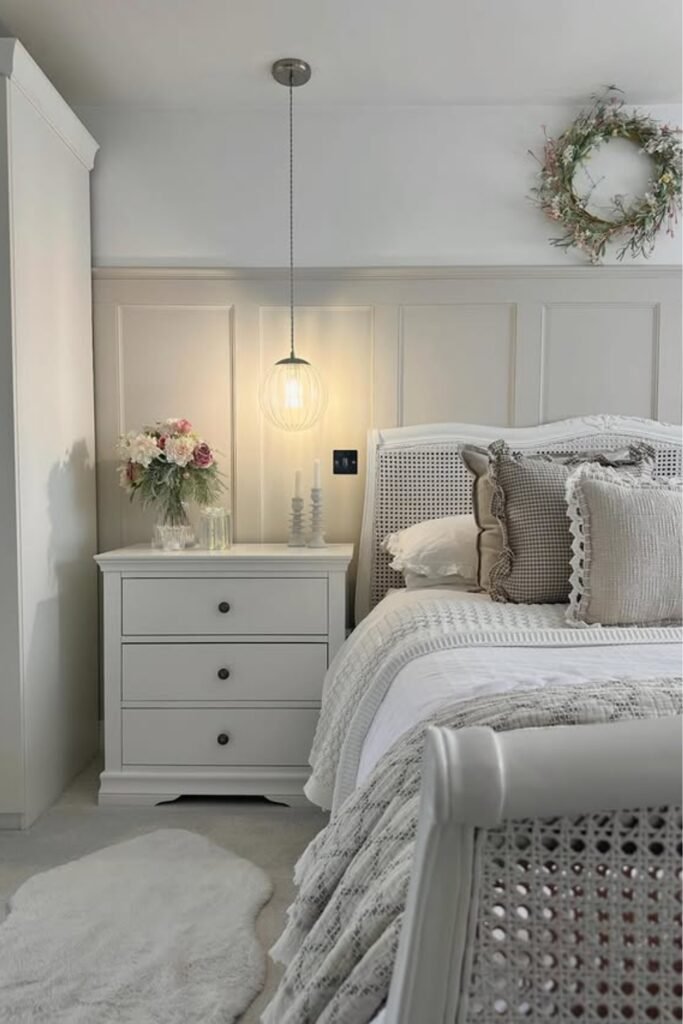
A bedroom should feel calm, easy, and restful. You should be able to walk around the bed without bumping into furniture.
You should have soft lighting near the bed. You should have enough storage so daily items do not stay visible all the time.
Before you buy more decor, look at the basics first. Check the layout, furniture size, lighting, storage, color balance, and fabric layers. Most bedrooms do not need more things. They need better balance.
What are the Most Common Bedroom Interior Design Mistakes?
The most common bedroom mistakes are poor bed placement, oversized furniture, bad lighting, small rugs, short curtains, clutter, and too many matching pieces.
These mistakes may sound small, but they can make the whole room feel less comfortable.
One big mistake is placing the bed without thinking about movement. If the bed blocks a window, door, wardrobe, or walking path, the room starts to feel awkward.
Another common mistake is using furniture that is too big for the space. A large bed, bulky dresser, and wide nightstands can make even a normal bedroom feel tight.

Lighting is another major issue. Many bedrooms rely only on one ceiling light. That makes the room feel flat and harsh.
A bedroom needs soft, layered lighting because it is a resting space, not just a room for storage and sleep.
People also ignore scale. A tiny rug under a large bed, small lamps beside a tall headboard, or artwork that looks too small above the bed can make the room feel unfinished.
The best way to avoid these mistakes is to design the bedroom around comfort first. After that, decor becomes much easier.
How Does Poor Bed Placement Make a Bedroom Feel Awkward?
Bed placement decides how the whole bedroom feels. If the bed sits in the wrong spot, the room can feel crowded, uneven, or hard to use.
Since the bed is usually the largest piece in the room, every other item depends on where it goes.
A common mistake is pushing the bed into any open wall without checking the room flow. If one side of the bed has no walking space, the room becomes less practical.
If the bed blocks a window, it can reduce natural light. If it sits too close to the wardrobe, drawers, or door, daily movement becomes annoying.
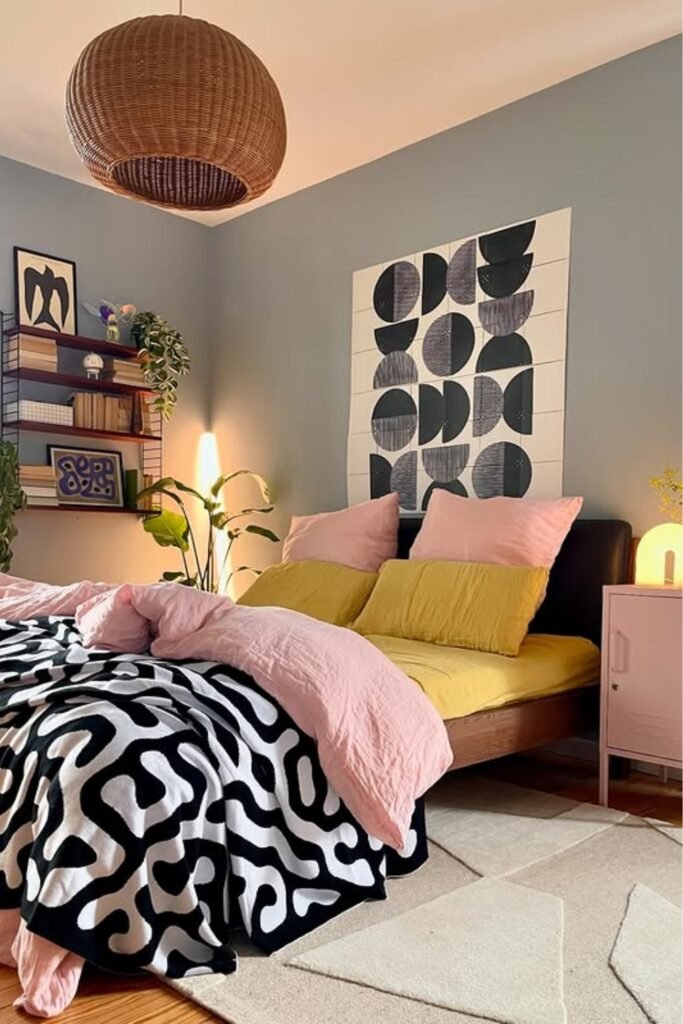
The best placement usually gives the bed a clear wall, enough space on both sides, and a balanced view when you enter the room.
This does not mean every bedroom needs a perfect designer layout. It just means the bed should feel intentional, not forced.
For small bedrooms, you may not have many options. In that case, focus on keeping one clear walkway, choosing slimmer nightstands, and avoiding extra furniture near the bed.
A bedroom feels better when the bed supports the room instead of fighting against it.
Why Does Wrong Furniture Size Make the Room Feel Crowded?
Wrong furniture size is one of the fastest ways to ruin a bedroom. Even beautiful furniture can look bad if it does not match the room’s size.
A king bed in a small room, a deep dresser in a narrow walkway, or oversized nightstands beside a low bed can make the space feel heavy.
Many people make this mistake because they shop for furniture before measuring the room.
They see a beautiful bed or dresser online, but they do not check how much walking space it will leave.

Once the furniture arrives, the bedroom starts to feel full before any decor is added.
Good bedroom design needs breathing room. You should be able to move around the bed, open drawers, reach the wardrobe, and use the room without shifting your body sideways.
If furniture blocks movement, the room will feel stressful. The fix is simple. Measure first. Choose furniture that fits your real space, not your dream room.
Use slimmer nightstands, wall-mounted shelves, storage beds, or tall dressers when floor space is limited. Scale matters more than expensive furniture.
How Can Bad Lighting Ruin the Mood of a Bedroom?
Bad lighting can make a bedroom feel cold, harsh, or unfinished. Many people spend money on bedding, furniture, and wall decor, but they leave the room with only one ceiling light.
That one light often creates shadows, glare, and a flat feeling.
A bedroom needs layered lighting because you use the room in different ways. You need soft light for relaxing, focused light for reading, and enough light for getting dressed.
When every task depends on one bright overhead light, the room never feels cozy.

Bedside lamps, wall sconces, floor lamps, and dimmable bulbs can change the whole mood.
Warm light usually feels better in a bedroom than bright white light. It makes the space feel softer and more restful at night.
Lighting also affects how colors and textures look. A nice wall color can look dull under harsh light. Bedding can look flat if there is no soft glow around it.
Even a well-designed bedroom can lose its charm with poor lighting.
The fix is to add at least two or three light sources. Keep the ceiling light for general use, but add softer lights near the bed.
Why Do Small Rugs, Short Curtains, and Tiny Lamps Make a Bedroom Look Unfinished?
Small details can make a bedroom look unfinished even when the main furniture is nice.
Rugs, curtains, and lamps are common problem areas because people often choose them too small.
A small rug under a bed can look like it is floating instead of grounding the room.
A bedroom rug should usually extend beyond the sides and foot of the bed so the bed area feels connected. When the rug is too small, the room loses warmth and balance.
Short curtains create another issue. Curtains that stop above the floor can make the walls look shorter and the window feel smaller.
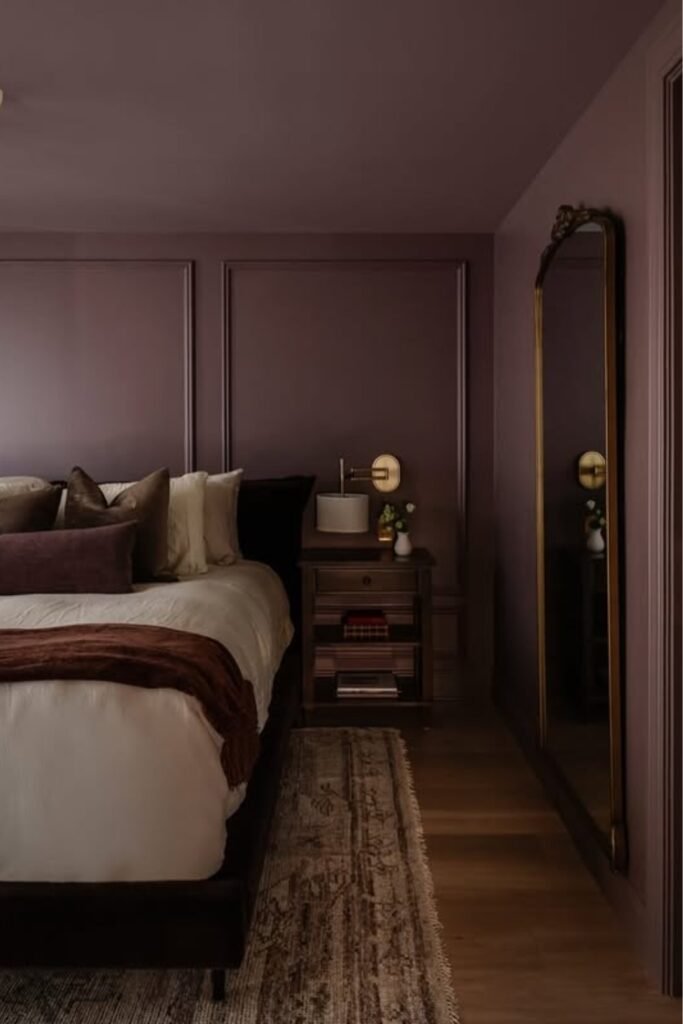
Longer curtains usually make the room feel taller and more polished. Tiny lamps beside a large bed or tall headboard can also throw off the room.
If the lamp is too small, the bedside area looks weak and under-designed. The same thing happens with small artwork above a large bed.
These details matter because they control proportion. A bedroom feels finished when soft pieces match the scale of the furniture.
You do not need expensive decor, but you do need the right size.
How Does Clutter Make Even a Stylish Bedroom Feel Stressful?
Clutter can ruin the feeling of a bedroom faster than any design mistake. A bedroom should help your mind slow down, but visible clutter keeps the room feeling busy.
Clothes on chairs, chargers on nightstands, beauty products on dressers, and extra items under the bed can make the space feel stressful.
The problem is not always that the person owns too much. Sometimes the bedroom simply has no proper storage plan.
If every daily item has no fixed place, it will stay visible. That makes the room look messy even after cleaning.

A stylish bedroom needs hidden storage and clear surfaces. Nightstands should have drawers if you keep many small items near the bed.
Dressers should not become open storage for everything. Baskets, trays, under-bed boxes, and closet organizers can help control visual mess.
The goal is not to create a perfect showroom. The goal is to make the room easy to reset. When storage works well, the bedroom feels calmer with less effort.
Before buying more decor, remove what does not belong in the room. Then add storage only where the clutter actually happens.
Why Does Copying Pinterest Bedrooms Not Always Work in Real Life?
Pinterest bedrooms look beautiful, but they do not always work in real homes. Many pictures are styled for one perfect photo.
They may not show storage problems, outlets, laundry baskets, small room limits, or daily habits.
This is where many people make mistakes. They copy a look without asking if it fits their room.
A low platform bed may look calm online, but it may not suit someone who needs under-bed storage.
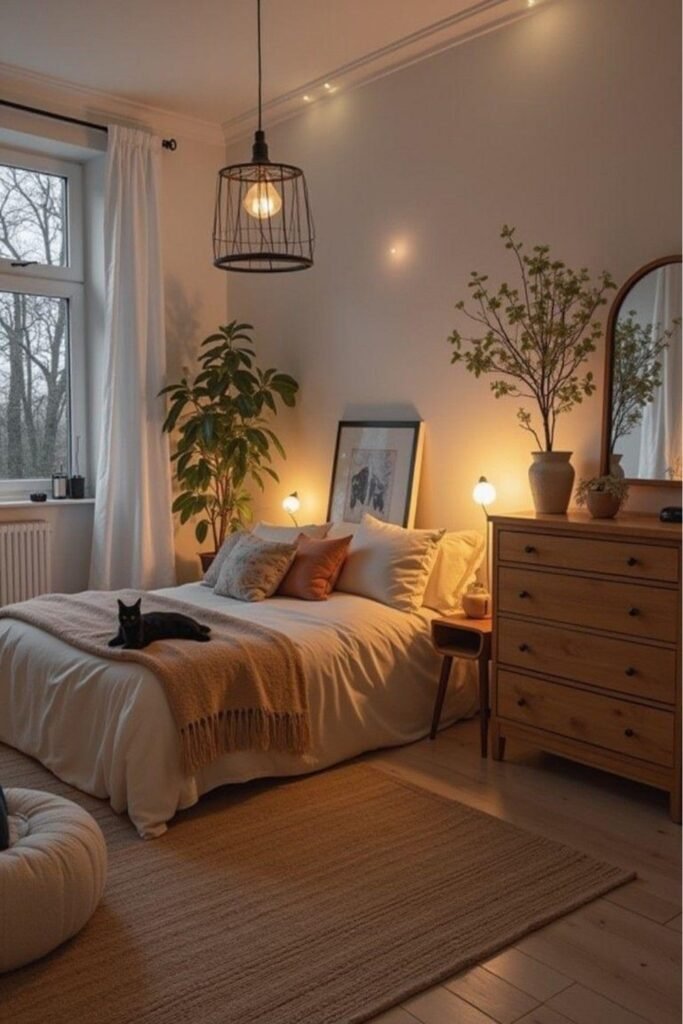
White bedding may look fresh, but it may not work for pets, kids, or daily use. A tiny nightstand may look cute, but it may not hold books, glasses, chargers, or skincare.
Good design should match your life first. Your bedroom needs to support how you sleep, dress, store things, and move around. After that, you can add style.
Use Pinterest as inspiration, not as a rulebook. Notice the mood, colors, and layout, but adjust the idea to your own room size, budget, storage needs, and routine.
The best bedroom is not the one that looks most perfect online. It is the one that feels easy and restful every day.
How Can You Fix Bedroom Design Mistakes Without Redecorating Everything?
You do not need to start over to fix most bedroom design mistakes. Many problems can improve with small changes.
Start with layout before buying anything new. Move the bed if it blocks movement. Remove extra furniture if the room feels crowded.
Clear the floor and check if the room feels easier to walk through.
Next, fix lighting. Add a bedside lamp, change harsh bulbs to warmer ones, or use a dimmer if possible. This one change can make the bedroom feel much softer.
Then look at scale. If your rug is too small, layer it or replace it when budget allows. If curtains are too short, hang longer panels higher and wider.
If lamps look tiny, switch to larger lamps or wall sconces.
After that, reduce visual clutter. Clear nightstands, hide cords, use trays, and give small items a proper place.
A clean surface can make the bedroom feel more expensive without spending much.
The best fix is not always new decor. Sometimes the room needs better spacing, better light, and fewer distractions. Fix the things that affect comfort first.
What Should You Check First Before Buying More Bedroom Decor?
Before buying more bedroom decor, check what is already making the room feel wrong.
Many people keep adding pillows, candles, art, and furniture, but the room still does not improve because the real problem is layout, scale, lighting, or clutter.
Start with the bed. Is it in the best place? Can you walk around it easily? Does it block anything important? Then check furniture size.
If your dresser, bed, or nightstands feel too bulky, more decor will only make the room feel heavier.
Next, look at lighting. If the room feels harsh at night, you may not need new wall art. You may need softer lamps.
Then check textiles. Curtains, rugs, bedding, and pillows should add softness and balance.
Finally, check storage. If your bedroom always looks messy, decor will not fix the problem. You need better places for daily items.
The smartest approach is to solve the biggest problem first. A bedroom looks better when it feels calm, balanced, and easy to use. Decor should come after function, not before it.
Conclusion
A beautiful bedroom is not just about trendy decor or expensive furniture. The room also needs to feel comfortable, practical, and calming in everyday life.
That is why small mistakes like poor lighting, crowded furniture, bad bed placement, visible clutter, or wrong-sized decor can completely change how the space feels.
The good news is that most bedroom interior design mistakes are easy to fix once you notice them.
Sometimes moving furniture, improving lighting, clearing clutter, or adjusting the scale of a few pieces can make a bigger difference than buying new decor.
Before you spend money on another bedroom upgrade, focus on how the room actually works for you. A bedroom should help you relax, sleep better, and feel comfortable every single day.
You may interested to read!