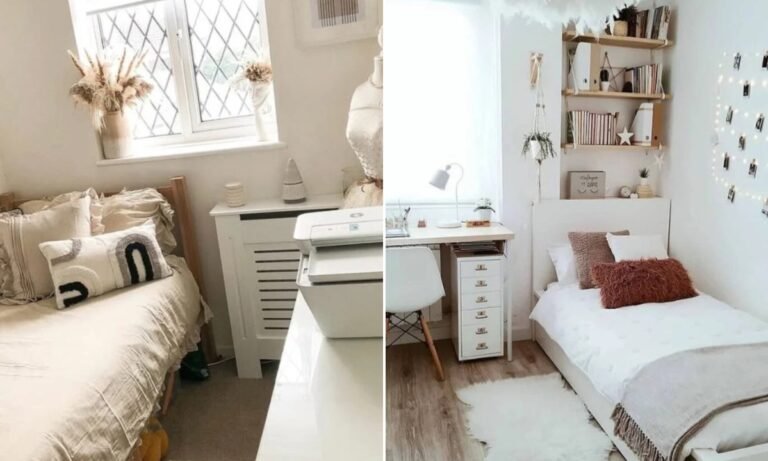

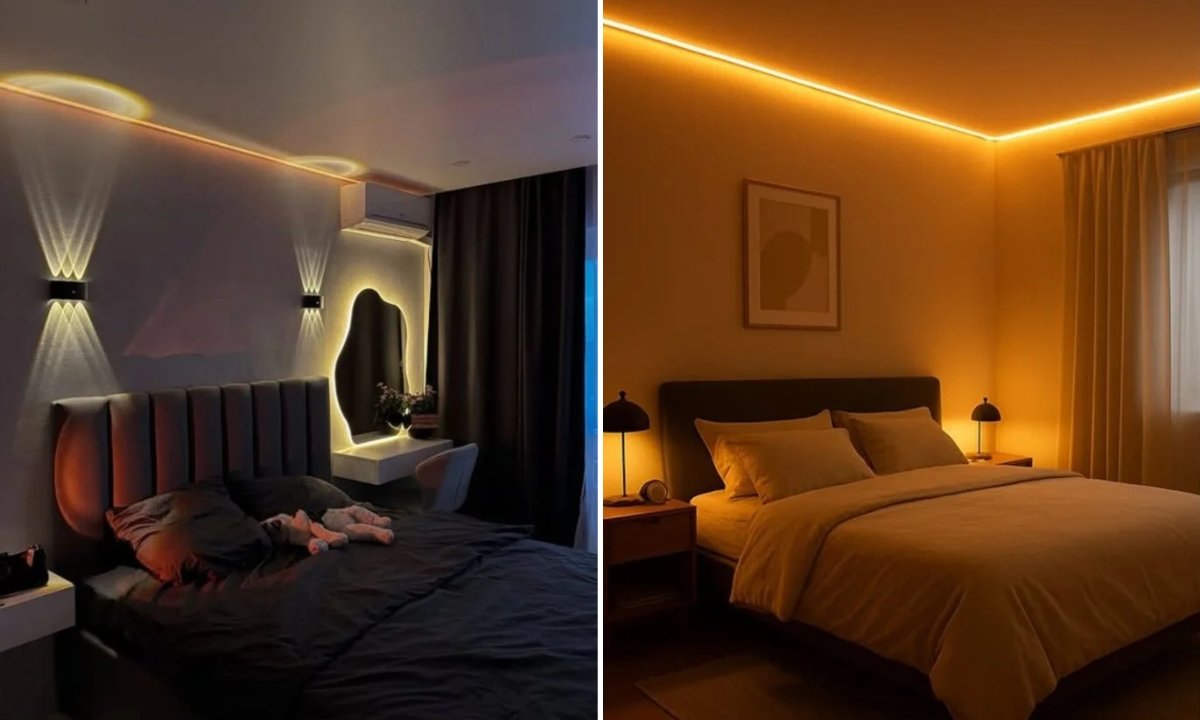
Choosing bedroom lighting sounds simple until the room still feels wrong after you add a lamp or change the bulb.
Sometimes the ceiling light feels too harsh. Sometimes the room looks dull at night. Sometimes the bedside lamp looks pretty, but it does not give enough light for reading or getting ready.
That is why bedroom lighting should not start with the fixture. It should start with how you use the room.
You need soft light for relaxing, focused light for reading, and enough brightness for daily tasks without making the bedroom feel cold or uncomfortable.
In this article, I am going to share how to choose lighting for bedroom in a simple way, so your room feels calm, useful, and cozy at the same time.
Let’s jump in!
Table of Contents
- What Kind of Lighting Does a Bedroom Really Need?
- How Do You Choose Bedroom Lighting Based on Your Daily Routine?
- What Color Light Is Best for a Bedroom?
- How Bright Should Bedroom Lighting Be?
- Where Should You Place Bedroom Lights?
- How Do You Choose Lighting for a Small or Large Bedroom?
- What Bedroom Lighting Mistakes Should You Avoid?
- How Do You Make Bedroom Lighting Feel Cozy and Expensive?
- Conclusion
What Kind of Lighting Does a Bedroom Really Need?
A bedroom needs more than one light because one light cannot do every job well. If you only use a bright ceiling light, the room may help you see, but it will not feel calm or cozy.
If you only use small lamps, the room may feel soft, but it may not give enough light when you need to clean, dress, or find something.
The best bedroom lighting usually has three layers. The first layer is general lighting, which lights the whole room.
This can come from a ceiling light, flush mount, pendant, chandelier, or recessed lights. This light helps when you enter the room, make the bed, or move around.
The second layer is task lighting. This is the light you use for a clear purpose, such as reading, working, applying skincare, or getting dressed.
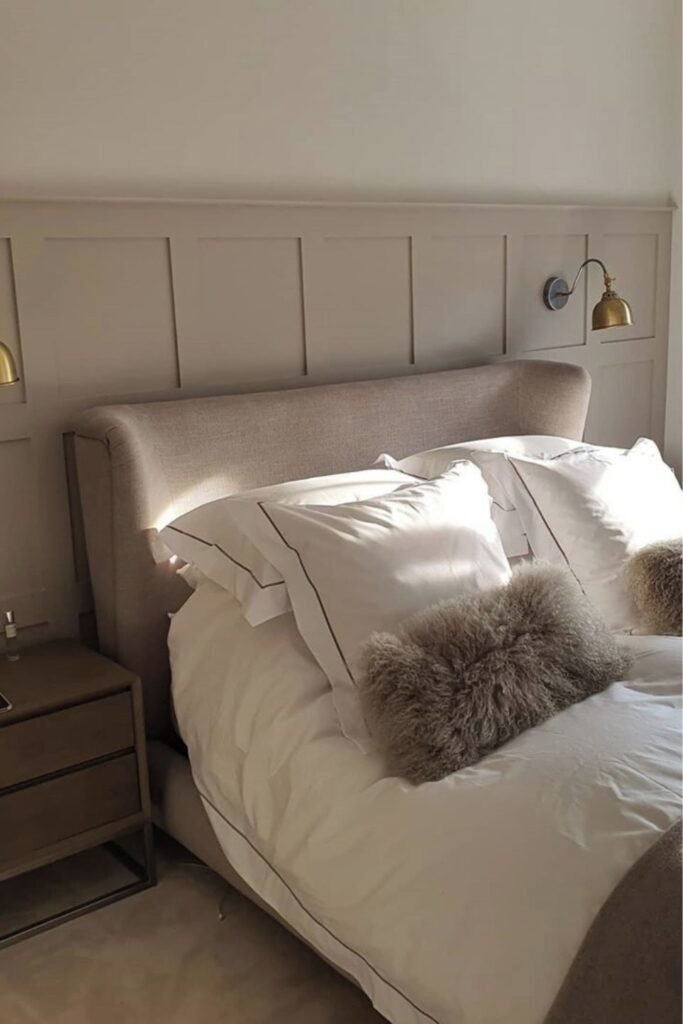
Bedside lamps, wall sconces, vanity lights, and adjustable reading lights work well here.
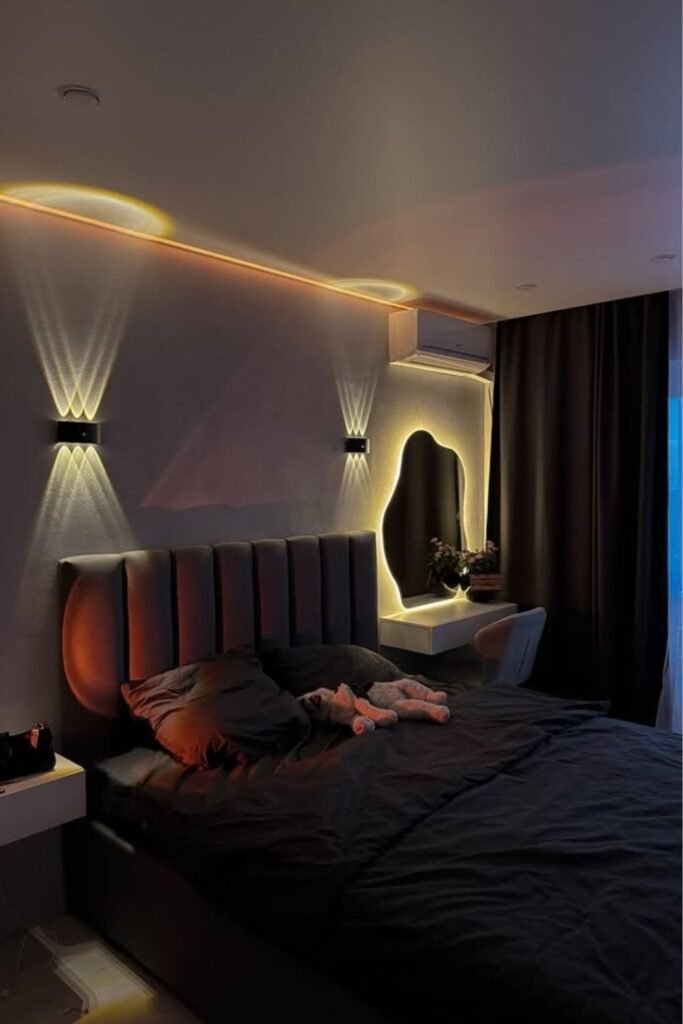
The third layer is accent lighting. This makes the bedroom feel warm and styled. You can use LED strips behind the headboard, a soft lamp on a dresser, picture lights, or small lights near shelves.
So when you choose bedroom lighting, don’t ask, “Which light looks best?” Ask, “What does this light need to do?”
A bedroom should have enough light to function, but it should still feel restful at night.
How Do You Choose Bedroom Lighting Based on Your Daily Routine?
Your daily routine should decide your bedroom lighting before style does.
A bedroom used only for sleep needs a softer lighting plan than a bedroom where you read, get dressed, do makeup, work, or watch TV.
If you ignore your routine, you may buy beautiful lights that still feel useless.
Start by thinking about what you do most in the bedroom. If you read in bed, you need a focused bedside lamp or wall sconce that points light toward the book without shining into your eyes.
If you use the bedroom to get ready, you need brighter and more even light near the wardrobe or mirror.
If you apply makeup in the bedroom, avoid one warm lamp in the corner because it can create shadows and change how colors look.
If you watch TV in the bedroom, use soft background lighting instead of a bright ceiling light.
A small lamp, wall light, or LED strip behind the headboard can reduce harsh contrast and make the room feel more relaxed.
For people who wake up at night, low-level lighting can help. A dim lamp, motion night light, or soft bedside light lets you move around without turning on a harsh overhead fixture.
This is why bedroom lighting should match real life. A room can look perfect in a photo but still fail if the lighting does not support your habits.
Choose lights based on what you actually do every morning and night.
What Color Light Is Best for a Bedroom?
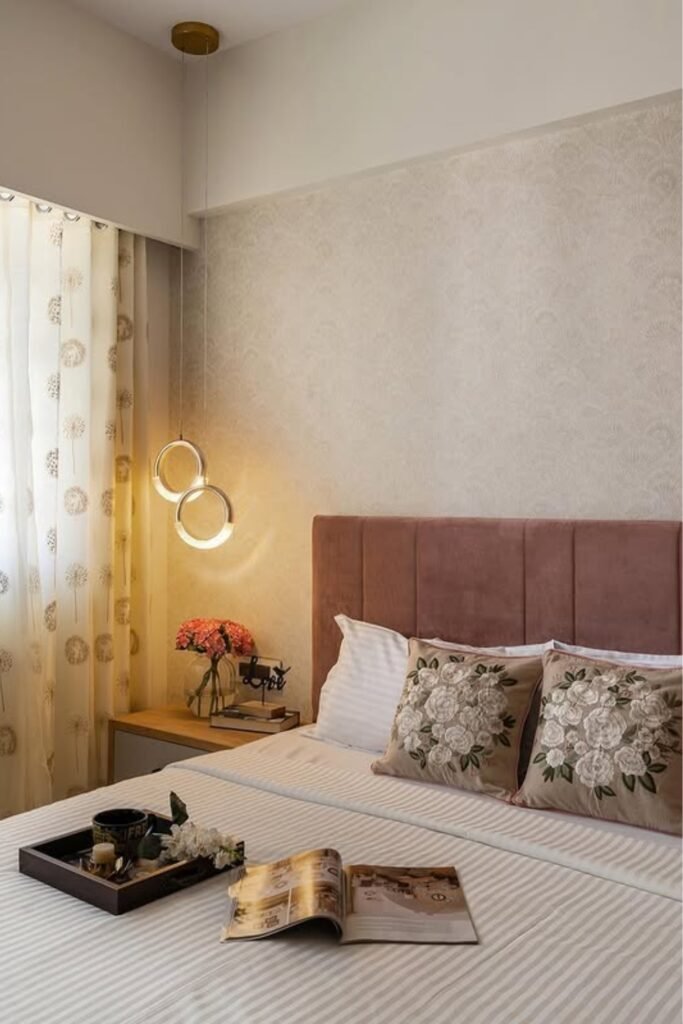
The best light color for most bedrooms is warm white because it feels softer and more relaxing than cool white.
Cool white bulbs can make a bedroom feel sharp, cold, or too active, especially at night. Warm white light helps the room feel calmer and more comfortable.
For most bedrooms, a bulb around 2700K to 3000K works well. This range gives a soft warm glow without making the room look too orange.
If you want a cozy hotel-like feel, 2700K is usually a good choice. If you want the room to feel a little brighter and cleaner while still staying warm, 3000K can work better.
Avoid using bright cool white bulbs in the bedroom unless you need them for a very specific task.
They may work in offices, garages, or kitchens, but they often feel too harsh in a sleep space. The bedroom should help you slow down, not make you feel more alert right before bed.
Also, try not to mix too many bulb colors in the same room. If one lamp looks yellow and another looks blue-white, the bedroom can feel uneven and messy.
Keep your main bulbs in the same warm range so the room feels balanced.
The simple rule is this: use warm light for comfort, soft brightness for mood, and focused light only where you need it.
How Bright Should Bedroom Lighting Be?
Bedroom lighting should be bright enough to use the room, but not so bright that it feels uncomfortable.
Many people make the mistake of using one strong ceiling light and then wonder why the room feels harsh. Brightness should come from different lights, not from one powerful bulb.
Think of brightness in zones. The whole room needs soft general light. The bedside needs focused light for reading.
The mirror or wardrobe area may need brighter light for dressing. A corner, dresser, or headboard may only need a small glow for mood.
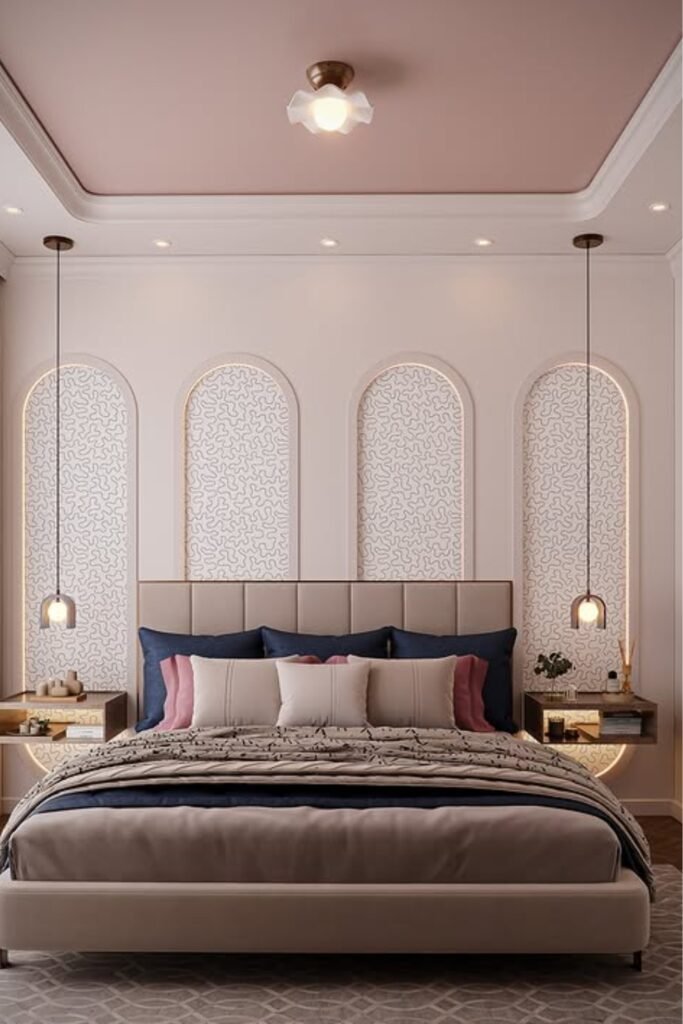
This makes the bedroom easier to control. In the morning, you may want more brightness. At night, you may only want a lamp or dimmed light.
That is why dimmers are one of the best choices for bedroom lighting. They let you adjust the room instead of using the same brightness all the time.
If your bedroom feels too dark, don’t immediately buy a stronger bulb. First, check whether the light is placed in the right area.
A small lamp in a dark corner, a second bedside lamp, or a wall sconce can fix the problem without making the whole room feel too bright.
If your bedroom feels too harsh, reduce the bulb brightness, use a fabric shade, add dimmers, or replace cool bulbs with warm ones.
The goal is not maximum brightness. The goal is controlled brightness that supports comfort, sleep, and daily use.
Where Should You Place Bedroom Lights?
Bedroom lighting placement matters as much as the fixture itself. A beautiful lamp can still feel wrong if it sits too low, too high, too far from the bed, or shines directly into your eyes.
Good placement makes the room feel balanced and easier to use.
Start with the bed because it is usually the main focus of the bedroom. Place bedside lamps or wall sconces on both sides if possible.
This gives the room visual balance and makes the bed feel more complete.
If you only have space on one side, choose one strong bedside light and balance the other side with artwork, a plant, or a small shelf.
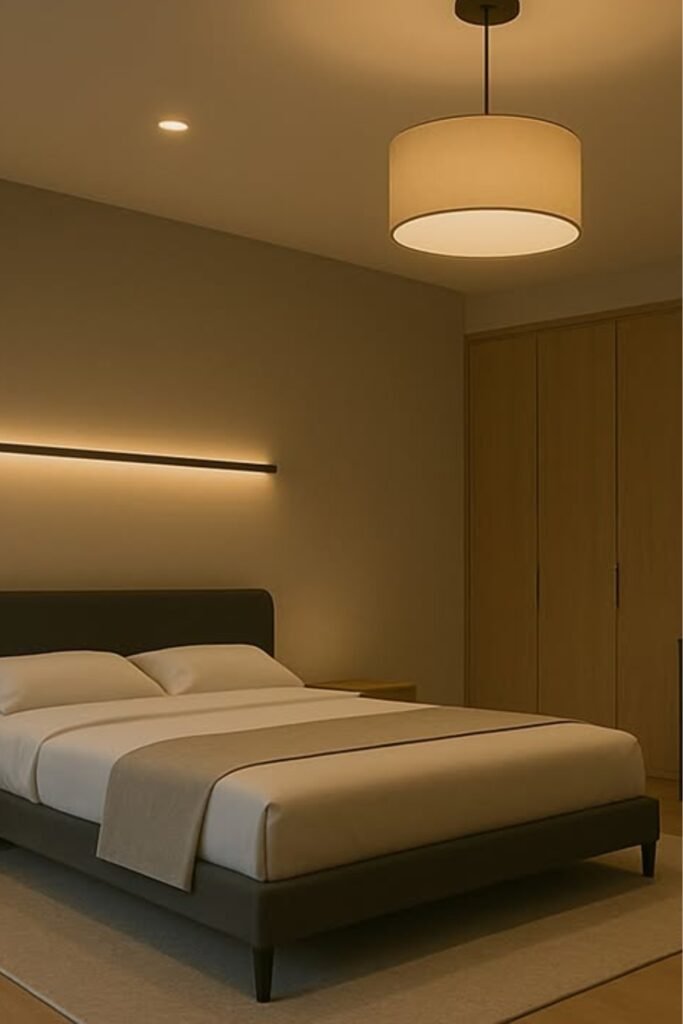
For reading, the light should fall near your book or lap, not directly onto your face.
Wall sconces work well in small bedrooms because they free up nightstand space. Adjustable sconces are even better if you read in bed.
The ceiling light should help you move around the room, but it should not be the only light source.
If the ceiling light is too bright, add a dimmer or choose a softer fixture with a shade.
In larger bedrooms, one ceiling light may not reach every corner, so add floor lamps, dresser lamps, or accent lights.
Also, light the areas where shadows bother you. If your wardrobe area feels dark, add lighting near the closet.
If your dresser looks flat, place a small lamp on it. Every light should solve a real problem, not just fill space.
How Do You Choose Lighting for a Small or Large Bedroom?
Small and large bedrooms need different lighting choices. In a small bedroom, the biggest problem is usually space.
Large lamps can crowd the nightstand, and oversized ceiling fixtures can make the room feel heavy. So choose lights that save space and keep the room open.
Wall sconces are great for small bedrooms because they give bedside light without taking up surface space.
A flush mount or semi-flush ceiling light works better than a large hanging fixture if the ceiling is low.
Slim table lamps, small pendants, and soft LED strips can also help without making the room feel busy.
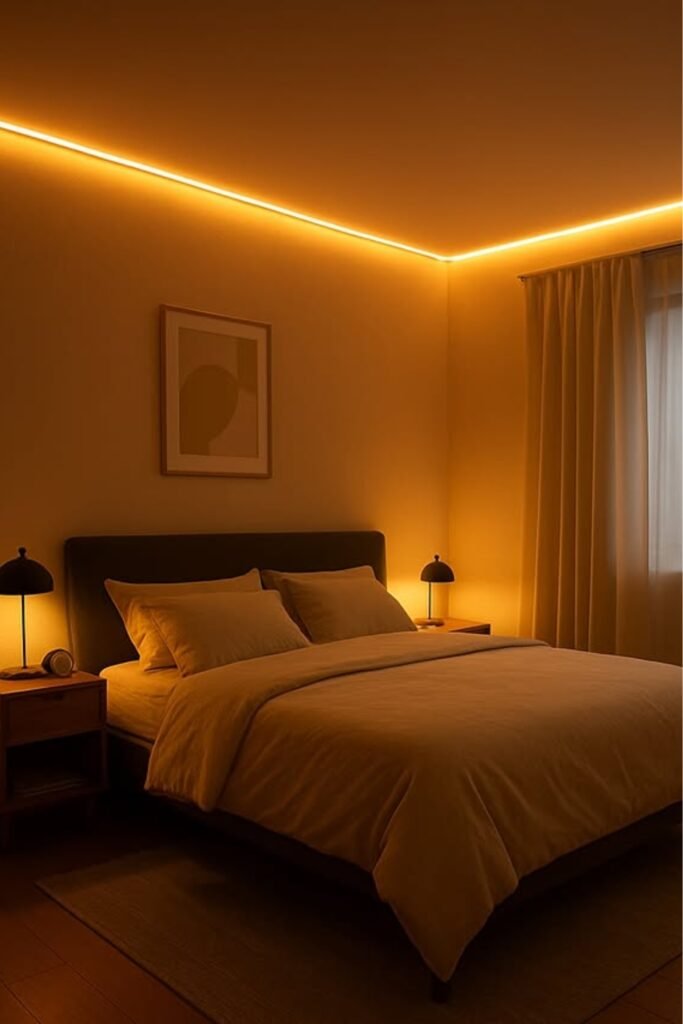
In a large bedroom, the problem is different. One ceiling light may leave the corners dark and make the room feel unfinished.
Large bedrooms need more layers. You can use bedside lamps, a ceiling fixture, a floor lamp near a chair, a dresser lamp, or accent lighting near artwork or the headboard.
Scale also matters. Tiny lamps can look lost in a large room, while huge fixtures can overwhelm a small one.
Match the size of the light to the size of the furniture and room. A large bed usually needs lamps or sconces with enough height and presence.
A small bed or narrow room needs lighter, slimmer fixtures.
The key is balance. Small bedrooms need smart, space-saving lighting. Large bedrooms need enough light layers so the room feels warm from every side.
What Bedroom Lighting Mistakes Should You Avoid?
The biggest bedroom lighting mistake is using only one ceiling light. It may help you see, but it does not create comfort, mood, or balance.
A bedroom needs more than one source of light so you can change the feeling of the room throughout the day.
Another common mistake is choosing cool white bulbs. Cool bulbs can make the bedroom feel cold and uncomfortable, especially at night.
Warm white bulbs usually work better because they make the room feel softer and more restful.

Many people also choose lights only because they look beautiful. Style matters, but function matters first.
A pretty lamp is not useful if it is too dim for reading, too bright near your face, or too small for the nightstand.
Bad placement is another problem. If a lamp sits too low, it may not light the bed properly.
If a sconce points toward your eyes, it can feel annoying. If all the light comes from one side of the room, the bedroom may feel unbalanced.
Also avoid exposed bulbs near eye level. They can create glare and make the room feel harsh. Use lampshades, frosted bulbs, or softer fixtures when possible.
The final mistake is skipping dimmers. Without dimmers, your lighting stays the same whether you are cleaning, relaxing, or getting ready for sleep.
A dimmer gives you control, which is exactly what a bedroom needs.
How Do You Make Bedroom Lighting Feel Cozy and Expensive?
Bedroom lighting feels cozy and expensive when it looks soft, layered, and intentional. You do not need the most costly fixture.
You need the right glow in the right places. A room with one bright ceiling light often feels flat, but a room with soft light at different levels feels more designed.
Start with warm bulbs. Warm light instantly makes the bedroom feel calmer. Then add lamps or sconces near the bed.
Matching lights on both sides can create a hotel-like look, but they do not have to be identical. They just need to feel balanced in size, color, and style.
Use accent lighting to highlight the best parts of the room. A small lamp on a dresser, a picture light above artwork, or LED lighting behind the headboard can make the bedroom feel more polished.
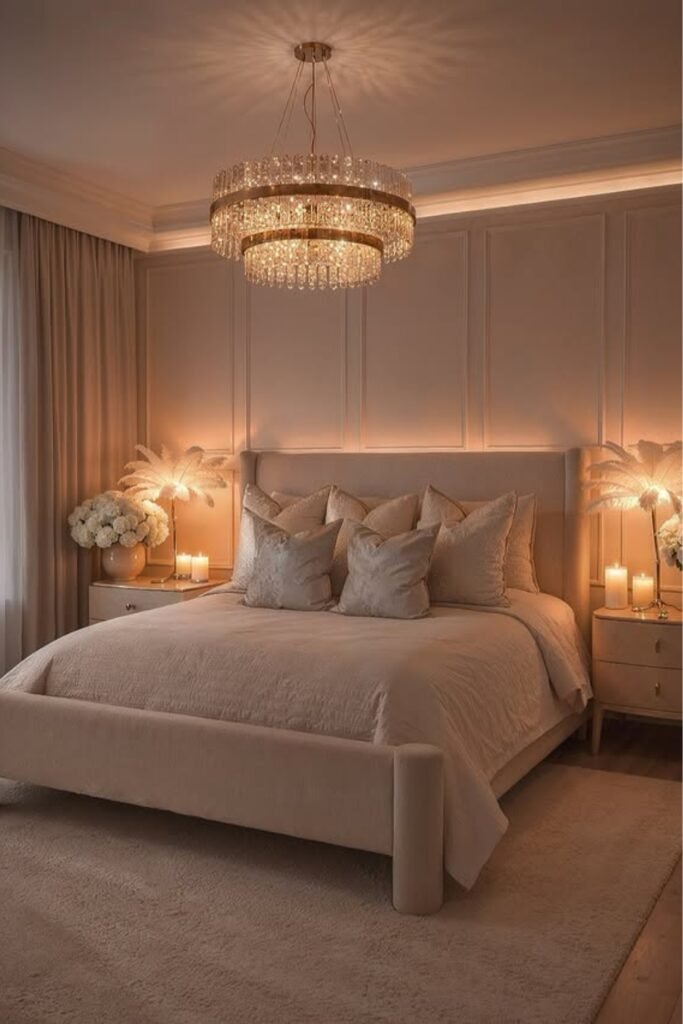
This works because accent lighting creates depth instead of lighting everything evenly.
Lampshades also make a big difference. Fabric shades soften the bulb and spread the light gently.
Glass or exposed-bulb fixtures can look stylish, but they may feel harsh if the bulb is too bright.
To make the room feel more expensive, hide the practical parts as much as possible. Keep cords neat, choose bulbs in the same color temperature, and avoid random mismatched lighting.
The goal is simple: soft light, balanced placement, and enough layers to make the room feel calm from every angle.
Conclusion
Choosing bedroom lighting becomes much easier when you stop choosing lights only by style. A bedroom needs lighting that supports how you actually use the room.
You need enough brightness for daily tasks, soft light for relaxing, and focused light for reading or getting ready.
Start with warm bulbs, add more than one light source, and place each light where it solves a real problem.
A ceiling light can help with general brightness, but lamps, sconces, dimmers, and accent lights make the bedroom feel calm and complete.
The best bedroom lighting does not feel harsh, random, or flat. It feels comfortable the moment you walk in, useful when you need it, and soft enough to help the room feel like a place to rest.
You may interested to read!