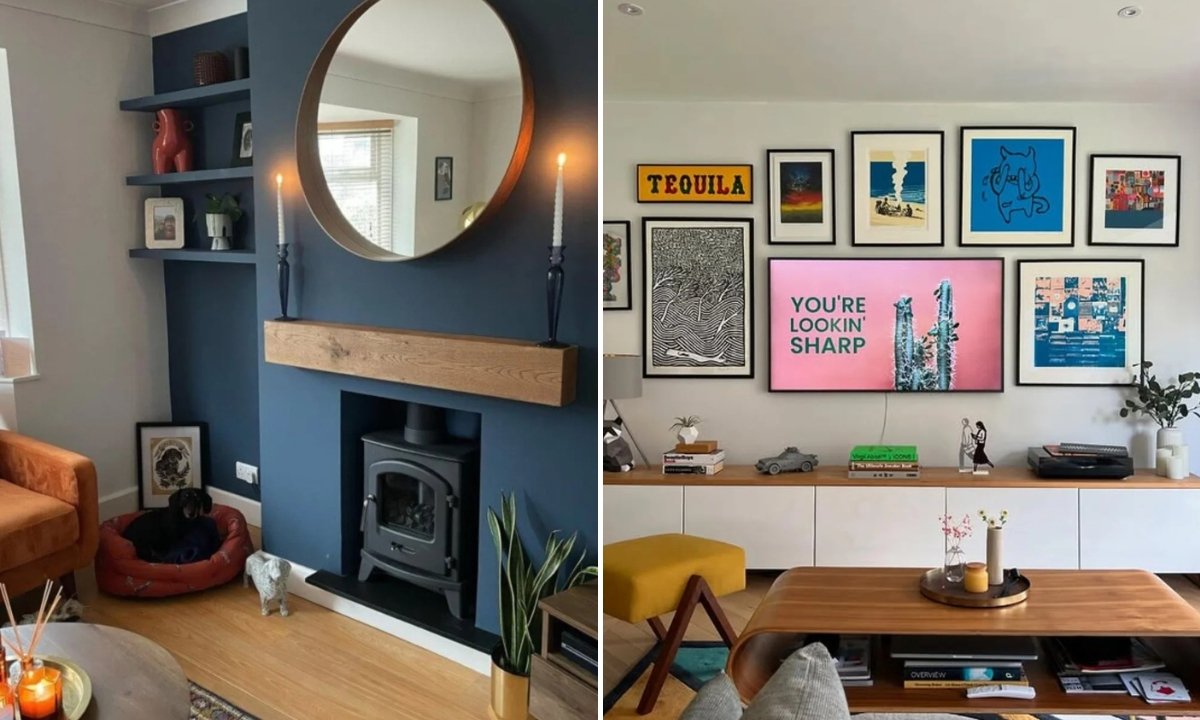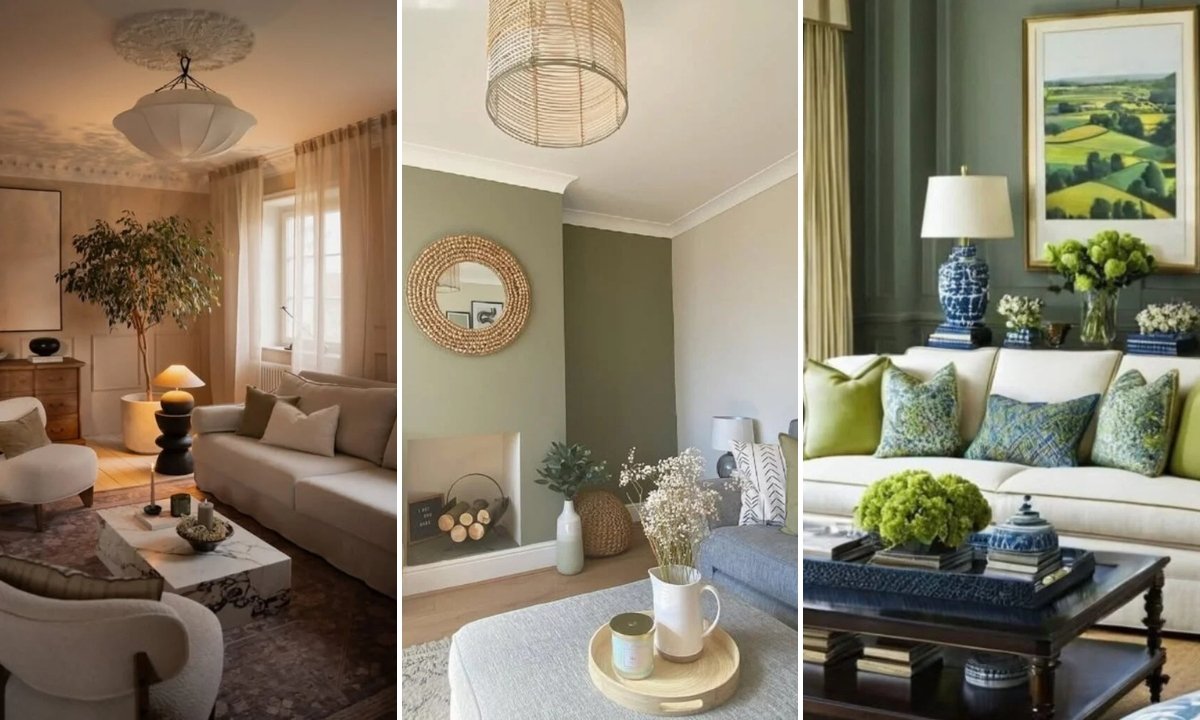

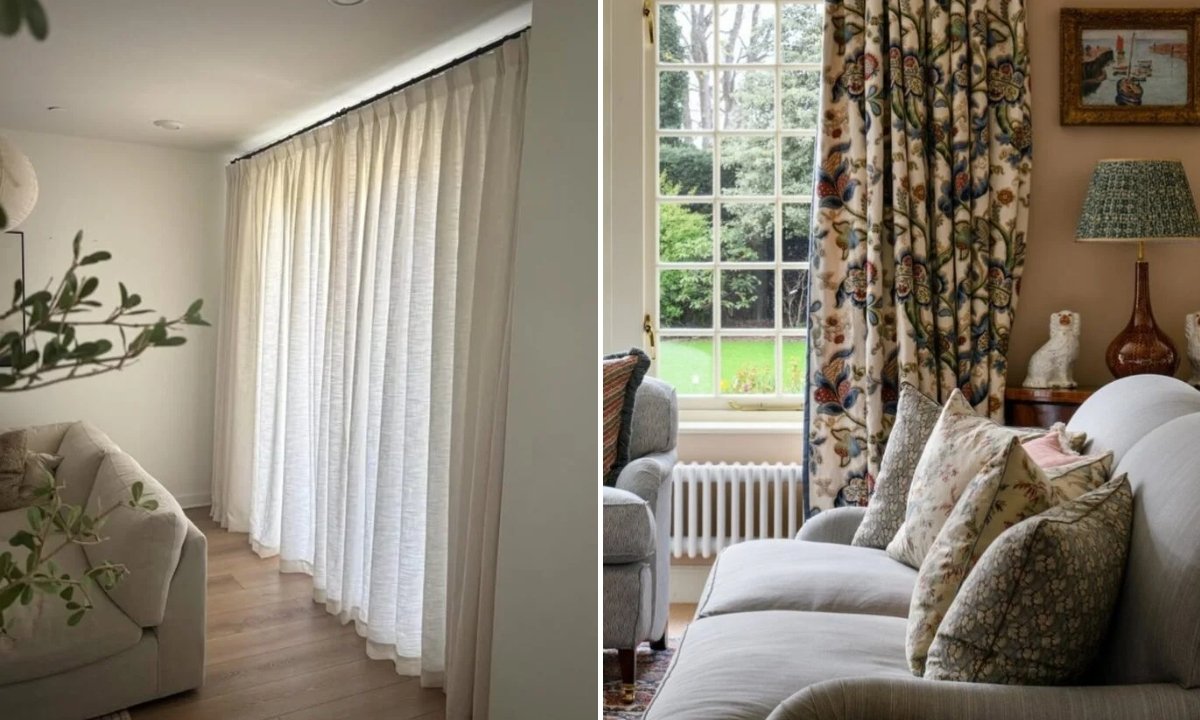
You hang the curtains, step back, and still feel something is off. The sofa looks fine, the wall is done, the room is clean , but the living room doesn’t feel “finished.”
It feels a bit flat, a bit empty, or just not as good as you imagined. And you can’t really explain why. Most of the time, the problem is not your furniture. It’s the curtains.
Curtains sit in a very important spot in your living room. They control how tall your room feels, how much light comes in, and how complete the whole space looks.
But here’s the issue , most people treat them like an afterthought. They pick a fabric, hang it quickly, and expect the room to look styled.
Then when it doesn’t work, they start guessing. “Is the color wrong?” “Is the fabric bad?” “Should I change everything?”
The truth is, it’s usually not about one big mistake. It’s a mix of small details that don’t work together , wrong height, wrong length, poor balance, or just no clear styling direction.
In this article, we’ll break it down in a simple way. You’ll see where most people go wrong, & why basic curtain rules don’t always work in real homes.
Let’s jump in!
Table of Contents
- Why Your Living Room Still Doesn’t Feel Complete Even After Adding Curtains?
- What Curtains Actually Do In A Living Room & Why Most People Get This Wrong?
- How to Choose The Right Curtain Fabric Based On Your Room Light & Use?
- The Biggest Hanging Mistake That Makes Your Room Look Smaller
- How Curtain Length Changes The Entire Look of Your Living Room?
- Why Your Curtains Still Don’t Look Good Even When You Followed All the Basic Rules?
- How to Match Curtain Color With Your Walls & Furniture Without Confusion?
- Simple Layering Trick That Instantly Makes Curtains Look More Styled
- Quick Fixes for Common Living Room Problems
- Conclusion
Why Your Living Room Still Doesn’t Feel Complete Even After Adding Curtains?
You hang the curtains, arrange your furniture, and still feel like something is missing. This is one of the most common frustrations people face when styling their living room.
The space is not empty, but it still doesn’t feel “finished.” The problem is usually not the furniture or decor.
It’s the lack of visual balance, and curtains play a much bigger role in that than most people realize.
Curtains take up a large vertical area in your room, so they naturally affect how complete everything feels.
If they are not placed or styled correctly, the whole room feels slightly off. Most people treat curtains as a final step, just something to cover the window.
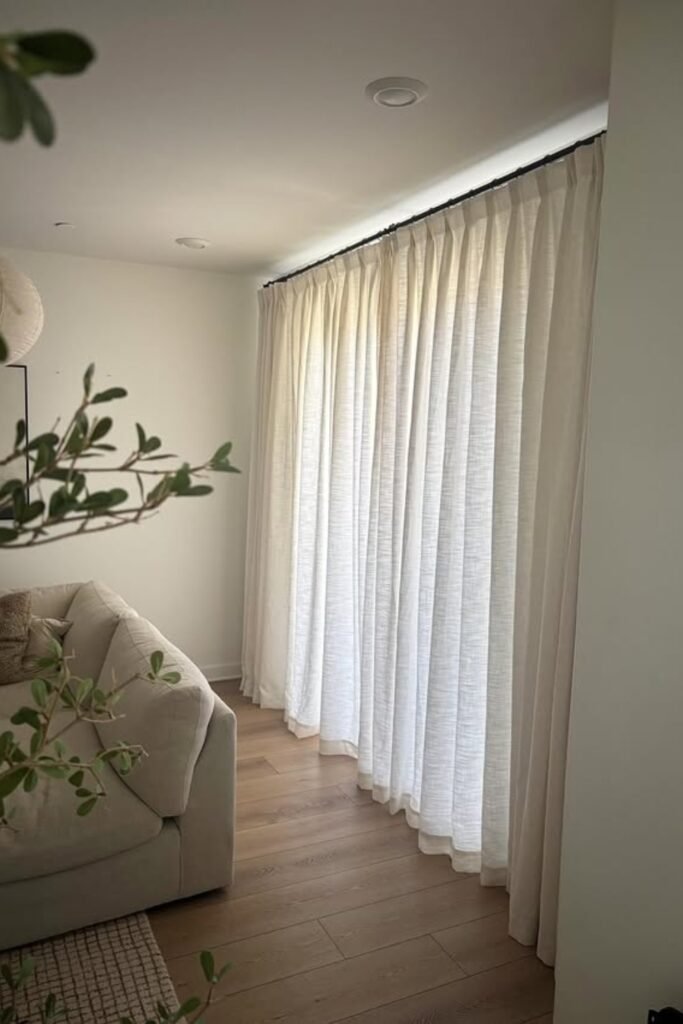
But in reality, they act like a frame for the entire space. If the frame is weak or poorly placed, even a well-decorated room won’t feel right.
Another reason your room feels incomplete is inconsistency. Your sofa, wall color, and decor might follow one style, but curtains often don’t match that flow.
They might be too short, too plain, or not aligned with the room’s overall mood. This creates a disconnect that your eyes immediately notice, even if you can’t explain it.
Lighting also plays a role. Curtains can either soften natural light or block it too much. When this balance is wrong, the room feels dull or heavy.
So the issue is not just decoration , it’s about how curtains interact with the whole room.
What Curtains Actually Do In A Living Room & Why Most People Get This Wrong?
Most people think curtains are only meant to cover windows, but that’s a very limited view. Curtains actually shape how your entire living room feels.
They control visual height, light, and balance, all at the same time. When curtains are placed correctly, they make your ceiling look higher and your room feel more open.
When placed incorrectly, they cut the wall visually and make the space feel smaller than it actually is.
This is why curtain placement can completely change the perception of a room without changing anything else.
Curtains also control how light enters the space. Light fabrics allow soft daylight to pass through, creating a calm and airy feel.
Heavier fabrics block more light and create a cozy, private atmosphere. So your choice directly affects the mood of your living room throughout the day.
Another important role of curtains is framing. They act like borders for your window and wall.
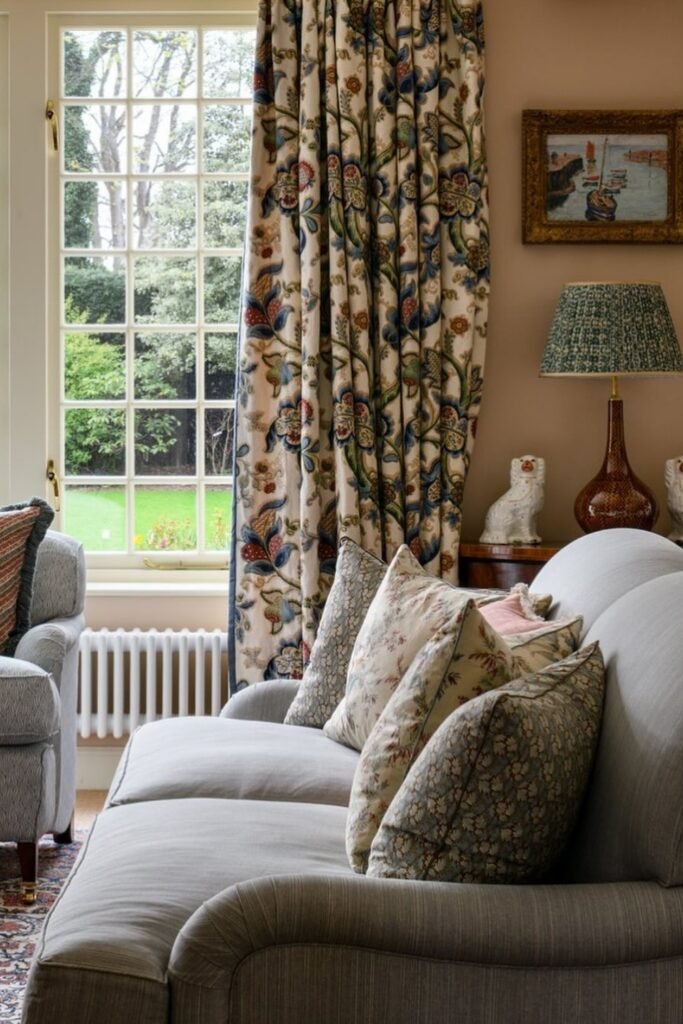
If the frame is too tight or uneven, the entire room feels visually unbalanced. But most people ignore this and only focus on color or fabric.
The biggest mistake is treating curtains like an accessory instead of a structural element. They are not something you just “add” at the end.
They are part of the room’s architecture in a visual sense. Once you understand this, every decision becomes more intentional and less random.
How to Choose The Right Curtain Fabric Based On Your Room Light & Use?
Choosing curtain fabric is not just about style. It’s about how your room behaves in real life. The first thing to consider is natural light.
If your living room already gets strong sunlight, you can use medium-weight fabrics without making the space feel dark.
But if your room is naturally dim, heavy fabrics will make it feel even more closed and heavy.
Light fabrics like linen or cotton blends work well in brighter rooms because they let light pass through softly.
They keep the space airy and open. On the other hand, thicker fabrics like velvet or heavy polyester work better when you need privacy or want a more formal look.
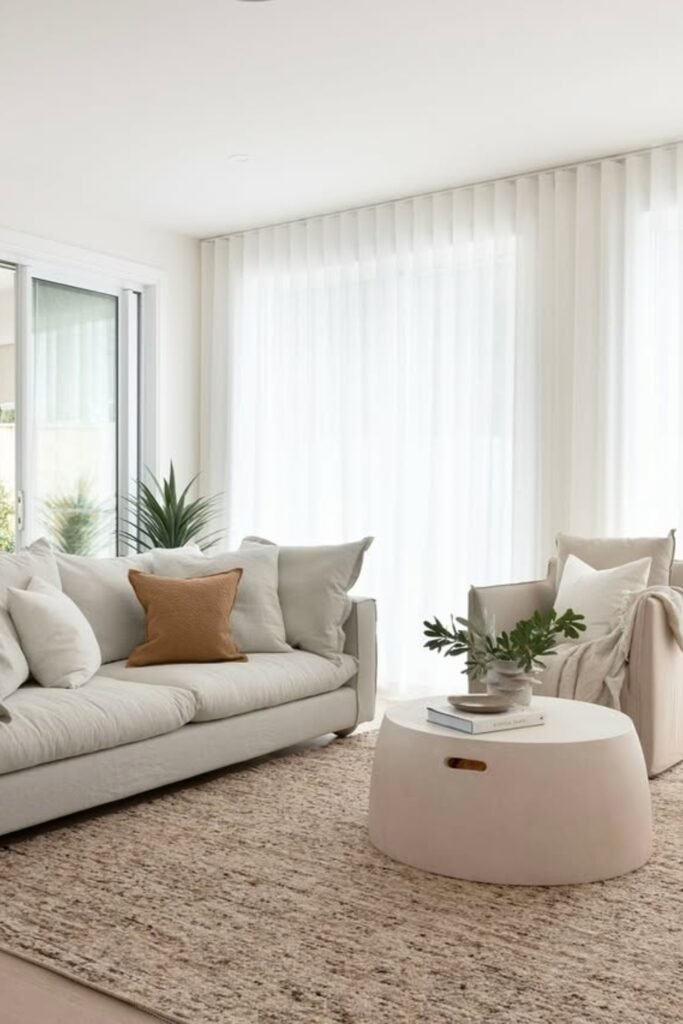
You also need to think about how you use the room. If it’s a daily family space, comfort and lightness matter more.
If it’s a more controlled or formal living area, you can go for richer and heavier textures.
Maintenance is another practical factor. Some fabrics wrinkle easily or collect dust, which makes them harder to manage in everyday life.
So it’s better to choose something that fits your lifestyle, not just your visual preference.
The key idea is simple: fabric should match light, usage, and mood together. When these three align, curtains naturally feel right in your space.
The Biggest Hanging Mistake That Makes Your Room Look Smaller
One of the most common mistakes people make is hanging curtains too low and too narrow. It seems small, but it completely changes how your room feels.
When curtains are hung right above the window frame, the wall looks shorter. This makes the ceiling feel lower and the entire room feels cramped.
Even if the room is actually spacious, your eyes perceive it as smaller because the vertical space is visually cut.
Width is just as important. If your curtain rod is only the width of the window, the curtains cover part of the glass even when open.
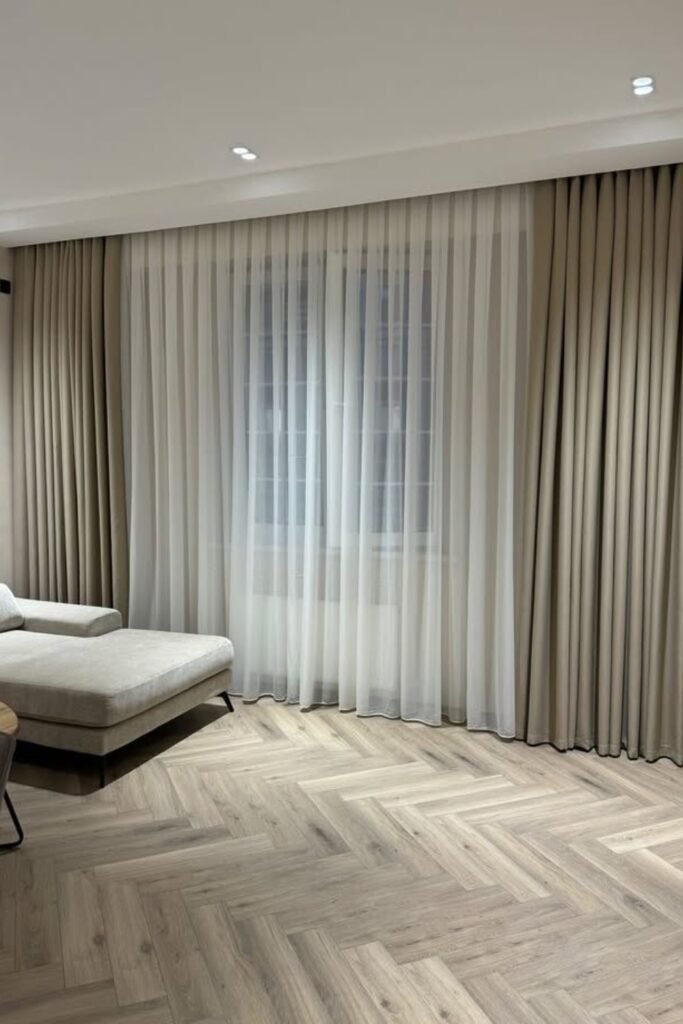
This blocks natural light and makes the window look smaller than it really is. As a result, the room feels darker and less open.
The simple fix is to hang curtains higher, closer to the ceiling, and extend the rod wider than the window frame.
This creates a sense of height and allows full natural light when curtains are open.
These two adjustments alone can dramatically change the feel of your living room without changing anything else.
How Curtain Length Changes The Entire Look of Your Living Room?
Curtain length has a strong visual impact on your room. If curtains are too short and stop above the floor, the space immediately feels incomplete.
It breaks the visual flow of the wall and makes everything look slightly unfinished.
The most balanced option is curtains that just touch the floor. This creates a clean, continuous line from ceiling to floor, which makes the room feel taller and more polished.
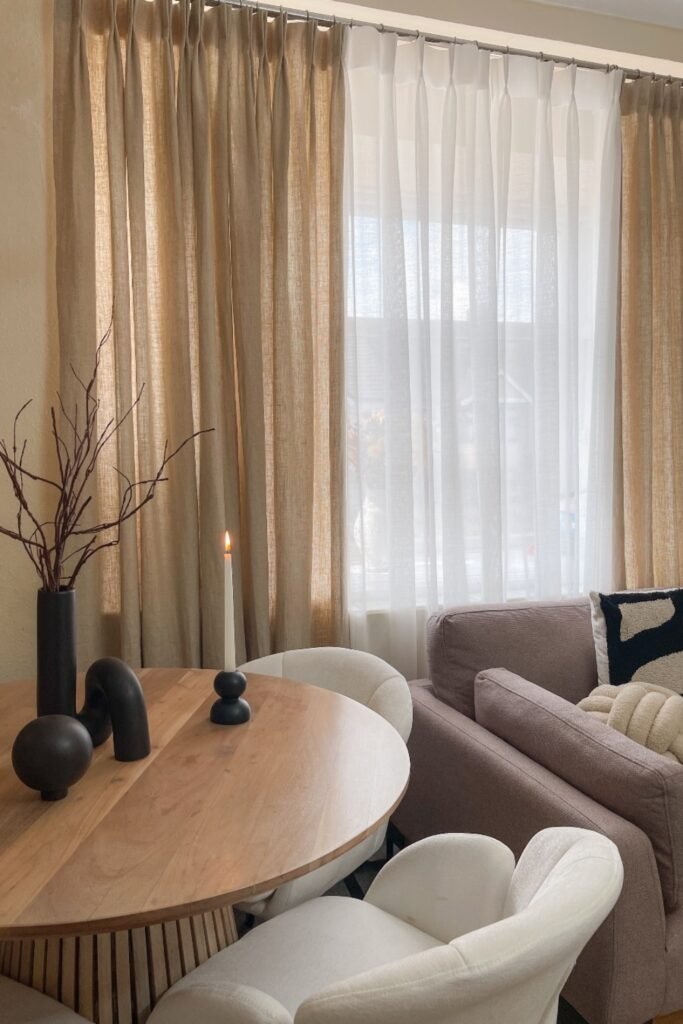
Some people prefer curtains that slightly pool on the floor for a more luxurious look, but this only works in formal or lowtraffic spaces.
In everyday living rooms, it can quickly start to look messy if not maintained properly. Even small unevenness in curtain length can create visual imbalance. So consistency is important.
Curtains should feel like they are part of the wall, not something hanging separately in front of it.
Why Your Curtains Still Don’t Look Good Even When You Followed All the Basic Rules?
This is where many people get stuck. They follow all the basic advice, hang higher, choose good fabric, match colors , but still feel something is off.
The reason is that basic rules only fix structure, not styling.
Even if your curtains are correctly placed, they can still look flat if they don’t have enough volume or if they are not layered properly.
Another issue is proportion. Curtains might be technically correct but still feel wrong if they are too thin for a large room or too heavy for a small space.
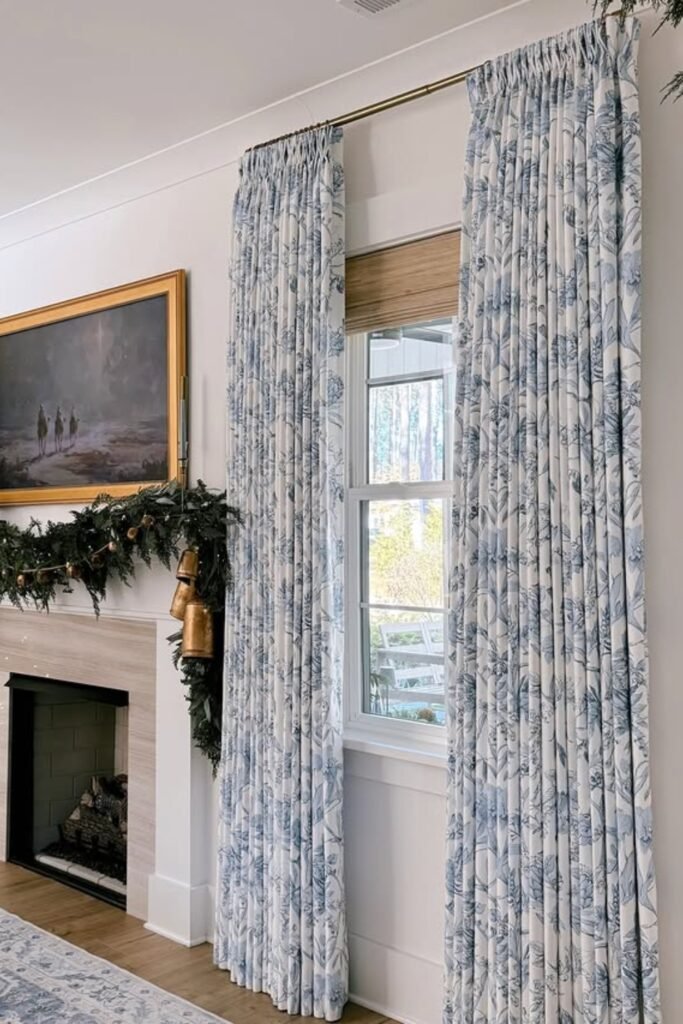
The balance between size, fabric, and room scale is what creates a good look.
Curtains also need to connect with the rest of the room. If they feel isolated from your sofa, walls, or decor, the room won’t feel cohesive. That connection is often missing in basic setups.
So when curtains don’t look good, it’s usually not a major mistake. It’s a missing layer of visual balance.
How to Match Curtain Color With Your Walls & Furniture Without Confusion?
Curtain color should either blend with your room or softly contrast it. If your room already has strong colors, neutral curtains work best because they calm the space.
If your room is mostly neutral, curtains can add depth through soft tones like warm beige, muted green, or soft grey.

The mistake most people make is choosing colors in isolation. A curtain might look great on its own but clash with the room once installed.
That’s why you should always check fabric under your actual room lighting before finalizing.
Light changes everything, and the same color can look completely different in daylight and evening light.
Simple Layering Trick That Instantly Makes Curtains Look More Styled
Simple layering trick that instantly makes curtains look more styled. If your curtains feel basic or flat, the easiest way to upgrade them is layering.
You don’t need expensive fabric or complicated design work , just combine two simple layers in the right way.
Start with a sheer curtain as the inner layer. This is the light, seethrough fabric that stays close to the window.
Its job is to soften natural light during the day and keep the room feeling bright and airy.
Even when the main curtains are open, sheers give your window a finished, clean look instead of an empty frame.
Then add a heavier outer curtain on top. This can be linen, cotton blend, or any thicker fabric that matches your room style.
This layer gives structure, depth, and privacy when you need it. When you close it, the room feels cozy. When you open it, it frames the window neatly on both sides.
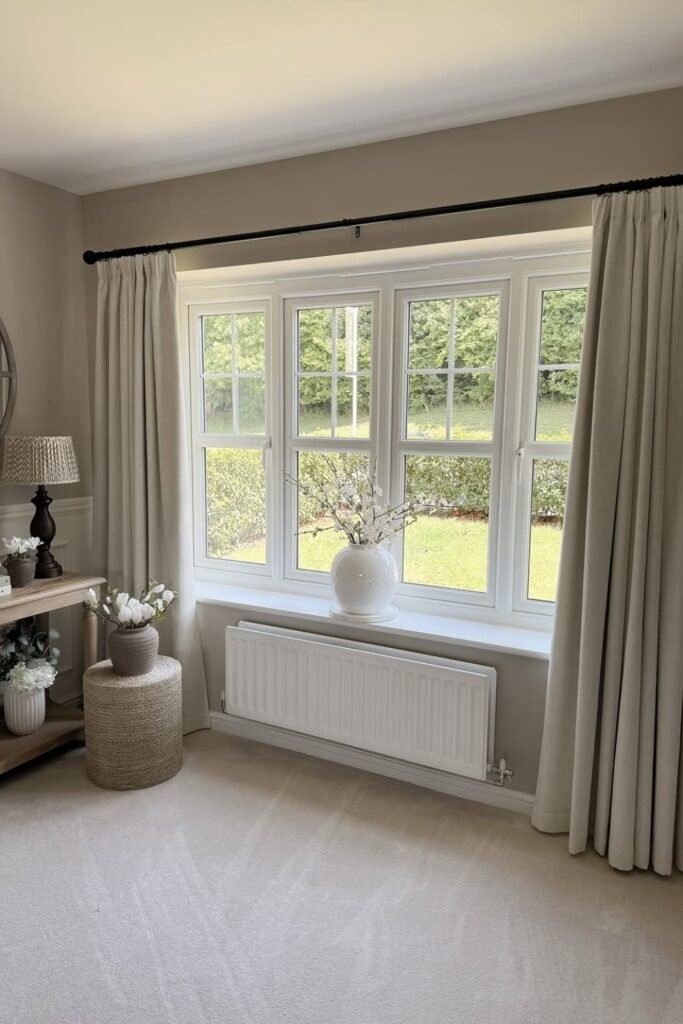
The real trick is in how they work together. Sheers stay slightly visible even when curtains are open, which adds softness and depth to the window area.
The outer curtains create shape and weight, so the window doesn’t look flat or unfinished.
Another important detail is spacing. Make sure both layers hang from a double rod or a proper layered track so they move smoothly without sticking together.
Also keep both layers long enough to touch the floor , this keeps the look clean and continuous.
This simple combination instantly makes your living room feel more designed, even if everything else in the room stays the same.
Quick Fixes for Common Living Room Problems
Most living room issues are not about space or budget , they are about small visual mistakes that change how the room feels.
The good part is, you don’t need a full makeover to fix them. A few simple curtain adjustments can improve the whole space quickly.
If your living room feels small or cramped, the main issue is usually curtain placement. Hanging curtains too low or too close to the window makes the walls look shorter.
Fix this by placing the curtain rod closer to the ceiling and extending it wider than the window frame. Also choose lighter fabrics so the room feels open instead of heavy.
If your living room feels dark, curtains might be blocking too much light. Switch to sheer or semi-sheer fabrics that allow natural light to pass through while still giving privacy.
You can also layer light curtains instead of using thick, blackout-style fabric all the time. This instantly brightens the space without changing anything else.
If your living room feels unbalanced, the problem is usually uneven visual weight. This happens when curtains are too thin, too plain, or not aligned properly with furniture.
Fix it by making sure both curtain panels are equal, fall evenly to the floor, and match the overall tone of the room.
Adding a second layer or slightly richer fabric can also help create balance.
In most cases, these small fixes are enough to make your living room feel more open, brighter, and visually stable without any major changes.
Conclusion
Styling living room curtains is not about following random tips or copying what you see in pictures.
It’s about getting the basics right in the right order and understanding how small details change the whole feel of your space.
Most of the time, the problem is not your furniture or decor. It’s the way curtains are placed, sized, or chosen without thinking about balance.
When curtains are too low, too narrow, too short, or not matched with the room mood, the entire living room feels slightly off , even if everything else looks fine.
The good thing is, you don’t need to redesign your room to fix it.
Small changes like hanging curtains higher, extending the rod wider, choosing the right fabric, and keeping the length consistent can completely change how your space looks and feels.
If you take one thing from this article, let it be this: curtains are not just decoration. They are part of your room’s structure.
When you style them with that in mind, your living room automatically starts to feel more complete, balanced, and comfortable , without any extra effort or confusion.
You may interested to read!